Anúncios
Understanding your cardiovascular health has never been more accessible, thanks to innovative visualization tools that transform complex medical data into actionable insights for better diagnosis and treatment.
🔬 The Evolution of Circulation Health Diagnostics
The medical field has witnessed a remarkable transformation in how healthcare professionals and patients alike approach cardiovascular diagnostics. Traditional methods, while effective, often left patients struggling to understand their circulatory system’s condition. Today’s visualization tools bridge this gap, offering intuitive representations of blood flow, arterial health, and heart function that anyone can comprehend.
Anúncios
Modern circulation health diagnostics go beyond simple blood pressure readings. They incorporate advanced imaging techniques, real-time monitoring, and sophisticated algorithms that paint a comprehensive picture of your cardiovascular wellness. These tools empower both medical professionals and patients to make informed decisions based on clear, visual evidence rather than abstract numbers alone.
💓 Understanding Your Circulatory System Through Visual Data
The human circulatory system is an intricate network of vessels, chambers, and pathways that delivers oxygen and nutrients throughout your body. Visualization tools make this complexity manageable by presenting data in formats that highlight potential issues before they become critical.
Anúncios
Blood flow patterns, vessel blockages, and heart rhythm irregularities become immediately apparent when displayed through color-coded maps, 3D models, and dynamic animations. These visual representations help identify subtle changes that might escape notice in traditional numerical reports, enabling earlier intervention and more personalized treatment plans.
Key Components of Circulation Visualization
Effective cardiovascular visualization tools focus on several critical aspects of circulatory health. Arterial mapping shows the condition and flexibility of blood vessels, revealing areas of concern such as plaque buildup or narrowing. Heart chamber analysis displays how effectively each section of your heart pumps blood, identifying weakness or dysfunction early.
Flow dynamics visualization tracks blood velocity and pressure throughout your system, highlighting areas where circulation may be compromised. Oxygen saturation maps show which tissues receive adequate oxygenated blood and which may be suffering from inadequate supply, crucial information for preventing organ damage.
🖥️ Top Visualization Technologies Transforming Diagnosis
Several cutting-edge technologies are revolutionizing how medical professionals visualize and diagnose circulation problems. Each offers unique advantages that contribute to more accurate assessments and better patient outcomes.
3D Ultrasound Imaging
Three-dimensional ultrasound technology creates detailed volumetric images of your heart and blood vessels. Unlike traditional 2D ultrasound, this approach provides comprehensive views from multiple angles simultaneously, allowing physicians to detect abnormalities that might be missed in flat images. The real-time nature of these visualizations means doctors can observe your circulatory system in action, identifying issues related to movement and timing.
Computed Tomography Angiography (CTA)
CTA combines CT scanning with contrast agents to produce incredibly detailed images of your blood vessels. The resulting visualizations can be manipulated in three dimensions, rotated, and examined from any angle. This technology excels at revealing coronary artery disease, aneurysms, and other structural problems that affect circulation.
Magnetic Resonance Angiography (MRA)
MRA uses magnetic fields and radio waves to create detailed images of blood vessels without radiation exposure. The visualization capabilities of MRA are particularly valuable for assessing blood flow in the brain, neck, and other critical areas. Color-coded flow maps generated by MRA help physicians understand not just structure but also function.
Doppler Flow Visualization
Doppler ultrasound technology visualizes blood flow direction and velocity using color coding. Red typically indicates flow toward the probe, while blue shows flow away. This instant visual feedback helps identify valve problems, blockages, and abnormal circulation patterns that might indicate serious conditions.
📱 Mobile Health Apps for Circulation Monitoring
The democratization of health monitoring has brought powerful visualization tools directly to consumers through smartphone applications. These apps use various sensors and algorithms to track circulation indicators, presenting the information through user-friendly interfaces that make cardiovascular health accessible to everyone.
Heart rate variability apps visualize the subtle changes in time intervals between heartbeats, an important indicator of cardiovascular fitness and stress levels. Blood pressure tracking applications create trend graphs that reveal patterns over time, helping users and doctors understand how lifestyle factors affect circulation.
Some advanced applications even use smartphone cameras to measure blood flow in fingertips, creating visualizations of pulse wave patterns that can indicate arterial stiffness and other circulation issues. While not replacements for professional medical equipment, these tools provide valuable trending data between clinical visits.
🎯 Benefits of Visual Diagnosis for Patients and Providers
The advantages of visualization tools in circulation health diagnosis extend far beyond mere convenience. These technologies fundamentally improve the quality of care by enhancing communication, enabling earlier detection, and personalizing treatment approaches.
Enhanced Patient Understanding
Medical jargon and abstract numbers often leave patients confused about their health status. Visual representations transform this experience, allowing patients to literally see their circulation problems. A color-coded map showing restricted blood flow is far more impactful than being told your ejection fraction percentage, creating better engagement with treatment plans.
Improved Diagnostic Accuracy
Human eyes are exceptional at detecting patterns and anomalies in visual data. When circulation information is presented graphically, subtle abnormalities become obvious that might be overlooked in numerical data alone. This visual advantage leads to earlier detection of problems when they’re most treatable.
Treatment Progress Monitoring
Visualization tools excel at showing changes over time. Side-by-side comparisons of circulatory maps before and after treatment provide clear evidence of improvement or deterioration. This visual feedback motivates patients to adhere to treatment plans and helps physicians adjust strategies based on observable results.
Better Surgical Planning
For patients requiring cardiovascular procedures, 3D visualizations of their unique circulatory anatomy allow surgeons to plan operations with unprecedented precision. Virtual rehearsals using patient-specific models reduce surgical time and complications by eliminating surprises during procedures.
🔍 Advanced Features in Modern Visualization Platforms
Today’s circulation health visualization tools incorporate sophisticated features that were once available only in research laboratories. These capabilities are now becoming standard in clinical practice, elevating the quality of diagnostic assessments.
Artificial Intelligence Integration
Machine learning algorithms analyze visualization data to identify patterns associated with specific conditions. AI-enhanced tools can predict which patients are at highest risk for cardiovascular events based on subtle visual markers in their circulatory scans, enabling preventive interventions before problems develop.
Real-Time Stress Testing Visualization
Modern systems can visualize how your circulation responds to physical stress in real-time. As you exercise on a treadmill, color-coded displays show how blood flow adjusts to increased demands, revealing areas where supply cannot keep pace with tissue needs. This dynamic assessment provides information that static resting scans miss entirely.
Virtual Reality Diagnostics
Some cutting-edge facilities now offer virtual reality experiences where physicians can literally walk through a patient’s circulatory system. This immersive visualization allows for examination of cardiovascular structures from perspectives impossible with traditional imaging, revealing relationships between anatomical features that impact treatment decisions.
📊 Interpreting Circulation Visualization Results
Understanding what you’re seeing in circulation health visualizations empowers you to participate actively in your healthcare. While detailed interpretation requires medical expertise, recognizing basic patterns helps you ask informed questions and understand your provider’s recommendations.
In flow visualizations, smooth, laminar patterns indicate healthy circulation, while turbulent, chaotic flows suggest potential problems. Color intensity often represents velocity or pressure, with extreme values potentially indicating stenosis or insufficiency. Symmetry is generally positive, as circulation should be relatively balanced between body sides under normal conditions.
Temperature maps derived from circulation scans show which areas receive adequate blood flow through color gradients. Cool areas (often displayed in blue or purple) may indicate restricted circulation, while uniformly warm regions suggest healthy perfusion. Asymmetric patterns warrant investigation as they may indicate localized circulation problems.
🛡️ Preventive Applications of Visualization Technology
Perhaps the most valuable aspect of modern circulation visualization tools is their preventive potential. By identifying subtle changes before symptoms appear, these technologies enable interventions that prevent heart attacks, strokes, and other serious cardiovascular events.
Regular visualization screenings can detect atherosclerosis progression, allowing for aggressive lifestyle modifications and medications before arteries become critically blocked. Endothelial dysfunction, an early marker of cardiovascular disease, becomes visible through specialized flow-mediated dilation visualizations, providing years of warning before clinical symptoms develop.
Athletes and fitness enthusiasts use circulation visualization to optimize training by understanding how their cardiovascular system adapts to exercise stress. These insights help prevent overtraining while maximizing performance benefits, demonstrating how visualization tools serve wellness goals beyond disease diagnosis.
🔄 Integration with Electronic Health Records
The true power of visualization tools emerges when they’re seamlessly integrated with electronic health record systems. This integration creates longitudinal visual health records that track circulation changes throughout your lifetime, providing context that single snapshots cannot offer.
Automated comparison tools highlight changes between successive scans, drawing attention to areas showing improvement or deterioration. Trending analysis identifies subtle progressive changes that might take years to become clinically obvious, enabling early intervention strategies that preserve cardiovascular health.
Cloud-based storage of visualization data means your complete circulatory health history remains accessible regardless of which healthcare facility you visit. This portability eliminates redundant testing and ensures every provider has complete information for making optimal treatment decisions.
💡 Choosing the Right Visualization Approach
Not every circulation problem requires the same visualization technique. Understanding which tools best address specific diagnostic questions helps you and your provider select appropriate testing while avoiding unnecessary procedures.
For suspected coronary artery disease, CTA excels at revealing blockages and stenosis. If valve function is the concern, echocardiography with Doppler flow visualization provides the most relevant information. Peripheral vascular disease assessment benefits from ankle-brachial index measurements combined with Doppler imaging of leg arteries.
Cost, radiation exposure, and availability all factor into test selection. Less invasive visualization methods should typically be attempted first, reserving more complex procedures for situations where simpler approaches provide insufficient information. Your physician can guide you through these decisions based on your symptoms, risk factors, and previous test results.
🌟 The Future of Circulation Health Visualization
Emerging technologies promise even more revolutionary advances in how we visualize and diagnose circulation problems. Molecular imaging will soon allow visualization of biochemical processes within blood vessel walls, revealing inflammation and other precursors to atherosclerosis at the cellular level.
Wearable devices with continuous circulation monitoring will create unprecedented longitudinal data streams, visualizing how daily activities, stress, diet, and sleep affect cardiovascular function. This granular information will enable truly personalized prevention strategies tailored to each individual’s unique patterns.
Augmented reality systems will overlay circulation visualizations onto patient bodies during examinations, allowing physicians to see beneath the skin in real-time. This fusion of physical examination and advanced imaging will revolutionize diagnostic accuracy while maintaining the human touch essential to quality healthcare.
⚕️ Collaborating with Healthcare Providers Using Visualization Tools
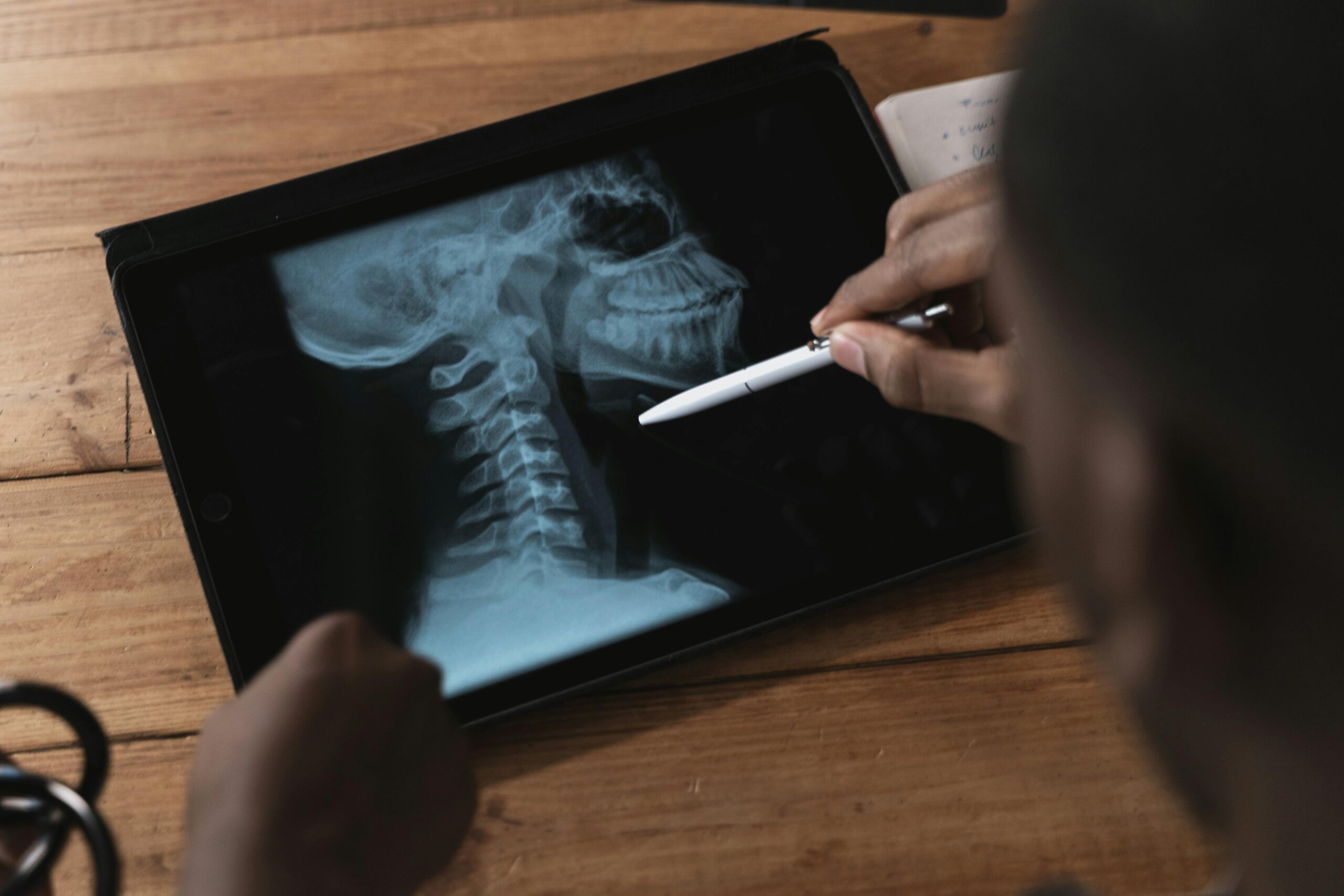
Maximizing the benefits of circulation visualization requires active partnership between patients and providers. Come to appointments prepared with questions about what visualizations reveal regarding your specific concerns. Ask your provider to walk you through the images, explaining what normal patterns look like versus what they’re seeing in your case.
Request copies of your visualization studies for your personal health records. Many systems can provide videos or 3D files you can review at home, deepening your understanding of your cardiovascular condition. This engagement correlates with better treatment adherence and outcomes.
Don’t hesitate to seek second opinions when visualization results suggest significant interventions. Another specialist may interpret the same images differently or recommend alternative visualization techniques that provide additional clarity. Your cardiovascular health justifies thorough evaluation before major treatment decisions.
The revolution in circulation health visualization has fundamentally transformed cardiovascular diagnostics, making the invisible visible and the complex understandable. These powerful tools put unprecedented knowledge in the hands of both medical professionals and patients, enabling earlier detection, more accurate diagnosis, and personalized treatment strategies. By embracing these technologies and actively participating in your cardiovascular health assessment, you gain control over one of the most important factors in your longevity and quality of life. The era of confusion and passive acceptance of circulation problems is ending, replaced by visual clarity that empowers informed decision-making and proactive health management.