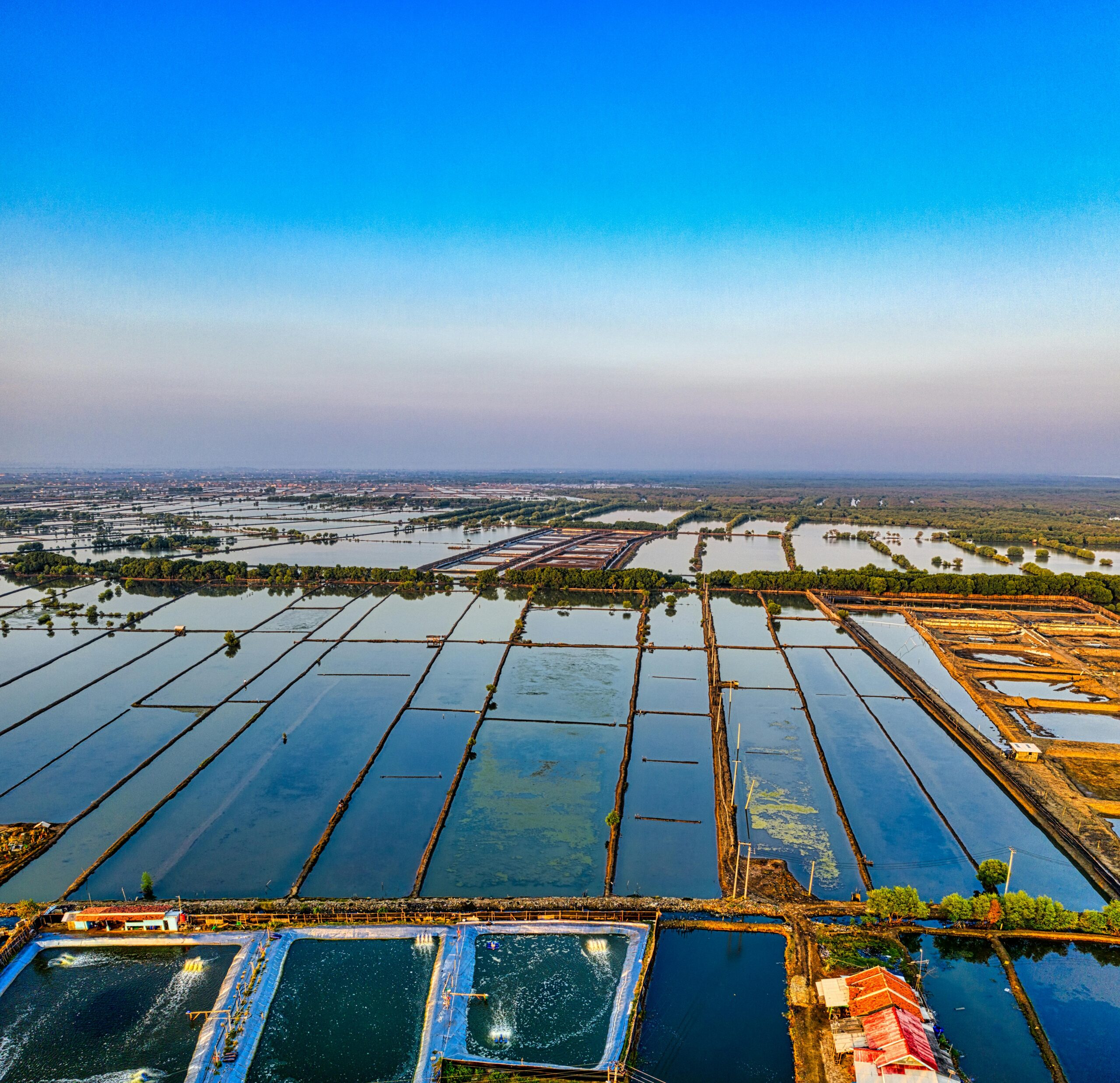
Algal blooms represent one of the most pressing ecological challenges facing freshwater and marine ecosystems worldwide, threatening biodiversity, human health, and economic stability.

🌊 Understanding the Algal Bloom Phenomenon
Algal blooms occur when algae populations experience rapid, exponential growth in aquatic environments. These events transform clear, healthy water bodies into murky, often toxic ecosystems that can devastate local wildlife and human communities. While algae naturally exist in all water systems and play crucial roles in aquatic food chains, their excessive proliferation creates imbalances that cascade throughout entire ecosystems.
The most problematic blooms involve cyanobacteria, commonly known as blue-green algae, which produce harmful toxins affecting both aquatic life and terrestrial organisms. These microscopic organisms thrive under specific conditions, particularly when nutrient levels exceed natural thresholds. Understanding what triggers these blooms is essential for developing effective prevention strategies and maintaining ecological harmony.
Climate change has intensified the frequency and severity of algal blooms globally. Warmer water temperatures accelerate algal growth rates, while altered precipitation patterns concentrate nutrients in water bodies. This combination creates ideal conditions for blooms to develop and persist longer than historical patterns would suggest.
🔬 The Science Behind Nutrient Pollution
Nutrient pollution stands as the primary driver of algal blooms worldwide. Specifically, excessive nitrogen and phosphorus entering water systems fuel uncontrolled algal growth. These nutrients originate from multiple sources, creating a complex web of pollution pathways that require comprehensive management approaches.
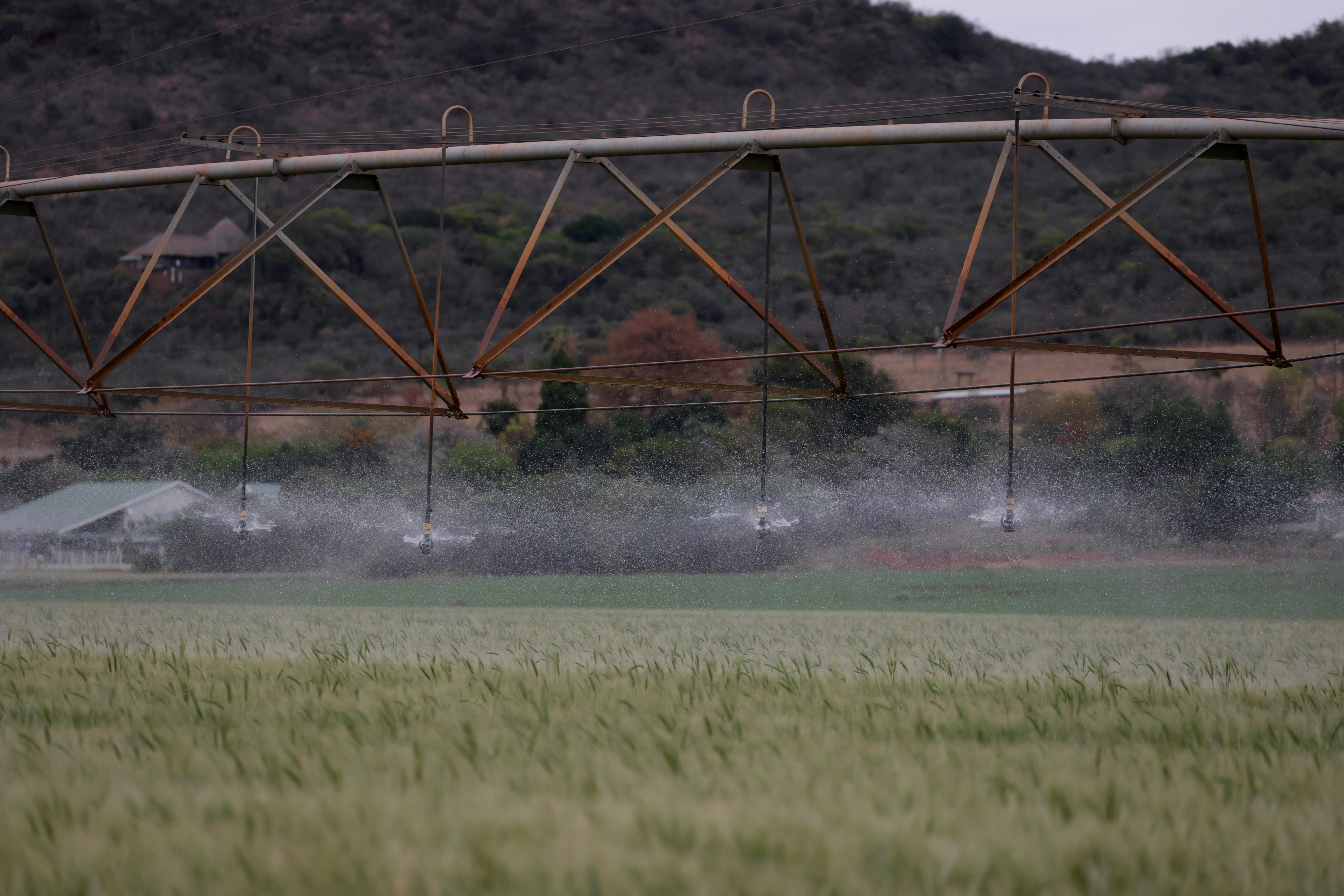
Agricultural runoff contributes significantly to nutrient loading in water bodies. Fertilizers applied to crops contain high concentrations of nitrogen and phosphorus, essential for plant growth. However, rainfall washes these nutrients from fields into nearby streams, rivers, and eventually lakes or coastal waters. The excess nutrients that crops cannot absorb become pollutants downstream.
Urban and suburban development introduces additional nutrient sources through stormwater runoff. Lawn fertilizers, pet waste, and leaking septic systems all contribute phosphorus and nitrogen to local waterways. As impervious surfaces like roads and parking lots expand, more rainwater carries these nutrients directly into water bodies without natural filtration.
Industrial and Municipal Contributions
Wastewater treatment plants, despite technological advances, still discharge treated water containing residual nutrients. While modern facilities remove significant portions of nitrogen and phosphorus, complete elimination remains economically and technically challenging. The cumulative effect of multiple treatment plants discharging into a single watershed can substantially elevate nutrient concentrations.
Industrial operations, particularly food processing facilities and manufacturing plants, generate wastewater rich in organic matter and nutrients. Even after treatment, these discharges can contribute to nutrient loading in receiving waters. Legacy pollution from historical industrial activities continues affecting water quality in many regions decades after operations ceased.
💧 The Ecological Cascade Effect
When algal blooms develop, they trigger a destructive cascade affecting entire aquatic ecosystems. The dense algal mats block sunlight from penetrating water depths, preventing submerged aquatic vegetation from photosynthesizing. These underwater plants form critical habitat for fish, invertebrates, and other organisms, so their decline ripples throughout the food web.
As algae die and decompose, bacteria consume oxygen during the breakdown process. This decomposition can deplete dissolved oxygen levels so severely that fish and other aquatic organisms suffocate. These hypoxic or anoxic zones, often called dead zones, can persist for weeks or months, transforming once-thriving ecosystems into biological deserts.
The toxins produced by certain algal species pose direct threats to wildlife and humans. Microcystins, produced by cyanobacteria, damage liver tissue in mammals, birds, and fish. Domestic animals drinking from affected water sources have died within hours of exposure. Human contact through swimming or consuming contaminated fish can cause serious health problems ranging from skin irritation to neurological damage.
🏞️ Buffer Zones and Natural Filtration Systems
Riparian buffer zones represent one of nature’s most effective tools for preventing nutrient pollution. These vegetated areas along waterways trap sediments, absorb excess nutrients, and slow water runoff before it enters streams and lakes. Trees, shrubs, and native grasses in buffer zones act as living filters, removing pollutants through biological uptake and physical filtration.
The effectiveness of buffer zones depends on their width, vegetation composition, and maintenance. Research demonstrates that buffers wider than 30 meters provide optimal nutrient removal, though even narrow strips offer significant benefits. Native plant species with deep root systems excel at capturing nutrients and stabilizing soils, preventing erosion that would otherwise carry sediment-bound phosphorus into waterways.
Wetland Restoration and Creation
Wetlands function as nature’s kidneys, filtering pollutants and transforming nutrients before they reach open water. Restoring degraded wetlands or creating new wetland systems in strategic locations can dramatically reduce nutrient loading. These ecosystems support diverse plant communities that actively absorb nitrogen and phosphorus, incorporating these elements into biomass rather than allowing them to fuel algal growth.
Constructed wetlands near agricultural operations or wastewater treatment facilities provide targeted nutrient removal where concentrations are highest. These engineered systems mimic natural wetland functions while maximizing nutrient uptake efficiency. Regular harvesting of wetland vegetation removes accumulated nutrients from the system permanently, preventing their eventual release back into waterways.
🌾 Agricultural Best Management Practices
Modern agriculture faces the challenge of feeding growing populations while minimizing environmental impacts. Implementing best management practices on farms significantly reduces nutrient runoff without compromising productivity. Precision agriculture technologies enable farmers to apply fertilizers more efficiently, matching nutrient applications to crop needs and soil conditions.
Cover cropping transforms fields from nutrient sources into nutrient sinks during off-seasons. These plants capture residual nitrogen and phosphorus that would otherwise wash away, holding nutrients in plant tissue until incorporation into soil. Cover crops also prevent erosion, improve soil health, and enhance water infiltration, creating multiple environmental benefits beyond nutrient retention.
- Nutrient management planning based on soil testing and crop requirements
- Conservation tillage reducing soil erosion and nutrient transport
- Contour farming and terracing slowing water runoff on sloped land
- Livestock exclusion from streams preventing direct nutrient inputs
- Manure management systems capturing and properly applying animal waste
Integrated Pest and Nutrient Management
Integrated approaches consider the entire farm system, optimizing nutrient cycling and minimizing external inputs. Crop rotation maintains soil fertility naturally while breaking pest cycles. Incorporating legumes fixes atmospheric nitrogen, reducing synthetic fertilizer requirements. Composting plant residues and manure creates slow-release nutrient sources that plants can utilize more completely than chemical alternatives.
Technology plays an increasing role in agricultural nutrient management. Variable rate application equipment delivers precise fertilizer amounts to different field zones based on satellite imagery and yield data. Sensors monitor soil moisture and nutrient levels in real-time, allowing farmers to make informed decisions about irrigation and fertilization timing. These innovations reduce excess nutrient application while maintaining or improving crop yields.
🏘️ Urban Stormwater Management Solutions
Cities and suburbs generate substantial nutrient pollution through stormwater runoff carrying fertilizers, organic waste, and other pollutants directly into water bodies. Green infrastructure offers sustainable solutions that manage stormwater while removing nutrients and other contaminants. Rain gardens, bioswales, and permeable pavements capture runoff, allowing infiltration and biological treatment before water reaches storm drains.
Rain gardens strategically placed in residential and commercial landscapes intercept runoff from roofs, driveways, and parking lots. These shallow depressions filled with native plants and engineered soils filter pollutants and promote infiltration. The plants actively absorb nutrients while soil microorganisms break down organic contaminants, significantly improving water quality compared to conventional drainage systems.
Municipal Infrastructure Improvements
Upgrading wastewater treatment facilities with advanced nutrient removal technologies reduces phosphorus and nitrogen discharges. Biological nutrient removal processes use specialized bacteria to convert nutrients into harmless forms that can be removed from wastewater. Chemical precipitation treatments bind phosphorus into solid forms separated from effluent before discharge.
Separating combined sewer systems prevents untreated sewage overflows during heavy rainfall events. Many older cities route stormwater and sewage through the same pipes, overwhelming treatment capacity during storms. Installing separate stormwater systems eliminates these overflow events, dramatically reducing nutrient and pathogen inputs to receiving waters.
🔍 Monitoring and Early Detection Systems
Effective algal bloom prevention requires comprehensive monitoring programs that detect developing problems before they become crises. Regular water quality sampling tracks nutrient concentrations, algal populations, and other indicators of ecosystem health. Long-term data sets reveal trends and help managers identify problems requiring intervention.
Remote sensing technology enables monitoring of large water bodies efficiently and cost-effectively. Satellite imagery detects algal blooms based on water color changes, providing early warnings to resource managers. Autonomous monitoring buoys equipped with sensors continuously measure water quality parameters, transmitting data in real-time for immediate assessment and response.
Community Science and Public Engagement
Engaging citizens in water quality monitoring expands coverage while building public awareness and support for protection efforts. Trained volunteers collect samples, observe conditions, and report findings to professional scientists. These programs generate valuable data while fostering stewardship attitudes and behaviors that reduce nutrient pollution at individual and community levels.
Public education campaigns inform residents about connections between daily activities and water quality. Simple actions like reducing fertilizer use, picking up pet waste, and properly maintaining septic systems collectively make substantial differences. When communities understand how their choices affect local water bodies, they become active participants in prevention efforts rather than passive observers of environmental degradation.
🌍 Policy Frameworks and Regulatory Approaches
Effective water quality protection requires strong policy frameworks establishing clear standards and accountability mechanisms. Total Maximum Daily Load programs calculate maximum pollutant amounts water bodies can receive while maintaining health, then allocate reductions among pollution sources. These science-based approaches provide clear targets and timelines for improvement.
Nutrient trading programs offer market-based mechanisms for achieving water quality goals cost-effectively. Sources facing high reduction costs can purchase credits from others implementing less expensive controls, achieving overall targets at lower societal costs. These programs incentivize innovation and voluntary actions beyond regulatory minimums.
| Management Strategy | Nutrient Reduction Potential | Implementation Cost | Co-Benefits |
|---|---|---|---|
| Riparian Buffers | 50-90% reduction | Low-Moderate | Habitat, erosion control |
| Cover Cropping | 30-70% reduction | Low | Soil health, carbon sequestration |
| Wetland Restoration | 60-95% reduction | Moderate-High | Wildlife habitat, flood control |
| Green Infrastructure | 40-80% reduction | Moderate | Urban cooling, air quality |
🤝 Collaborative Watershed Management
Water flows across property boundaries and political jurisdictions, making collaborative approaches essential for effective protection. Watershed partnerships bring together farmers, municipalities, businesses, and conservation organizations to develop shared solutions addressing pollution sources throughout drainage basins. These collaborative efforts achieve results impossible through isolated actions.
Successful partnerships establish common goals, share resources, and coordinate activities for maximum impact. Upstream communities recognize how their actions affect downstream neighbors, while downstream interests support upstream conservation investments. This interconnected perspective aligns incentives and distributes costs fairly across beneficiaries.

✨ Preserving Water Quality for Future Generations
Preventing algal blooms and maintaining water quality requires sustained commitment to ecological principles and practical actions. No single solution solves these complex challenges, but integrated approaches combining natural systems, innovative technologies, and community engagement create resilient watersheds capable of withstanding modern pressures.
The economic costs of prevention pale compared to remediation expenses and lost ecosystem services from degraded waters. Investing in buffer zones, agricultural improvements, and green infrastructure protects property values, recreation opportunities, and drinking water supplies while supporting biodiversity and climate resilience.
Every individual, organization, and government entity shares responsibility for water quality protection. Homeowners reducing lawn fertilizer applications, farmers implementing conservation practices, and municipalities upgrading infrastructure all contribute to healthier ecosystems. This collective action, guided by scientific understanding and ecological principles, ensures clean, productive waters for current and future generations.
The path forward demands vigilance, innovation, and cooperation. Climate change will continue challenging water quality management, requiring adaptive strategies that anticipate changing conditions. By maintaining ecological harmony through thoughtful stewardship, society can prevent algal blooms, preserve water quality, and sustain the invaluable services healthy aquatic ecosystems provide to human communities and natural systems alike.