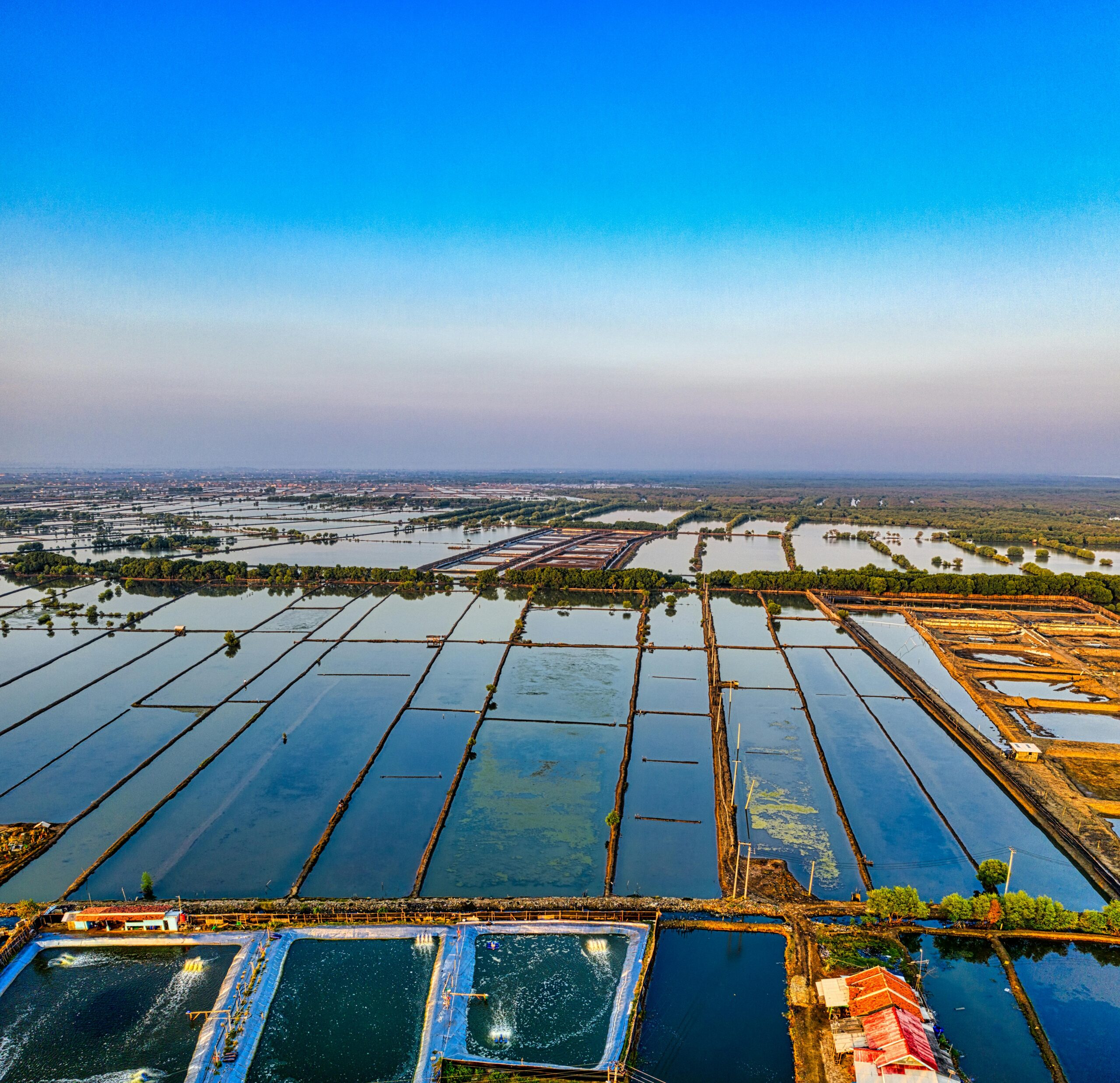
Finding the delicate equilibrium between human progress and environmental sustainability represents one of the defining challenges of our generation, demanding innovative approaches and collective commitment.

🌍 Understanding the Intricate Dance Between Development and Nature
The relationship between human civilization and the natural world has always been complex, marked by periods of harmonious coexistence and destructive exploitation. As we navigate the 21st century, the urgency of establishing a sustainable balance has never been more apparent. Climate change, biodiversity loss, and ecosystem degradation serve as stark reminders that our current trajectory requires fundamental recalibration.
Ecological resilience refers to the capacity of natural systems to absorb disturbances while maintaining their essential functions and structures. When we consider human activity within this framework, the challenge becomes clear: how do we pursue economic development, technological advancement, and improved quality of life without compromising the planet’s ability to sustain future generations?
The concept of harmony in action suggests that balance isn’t about choosing between human needs and environmental protection—it’s about recognizing their interdependence. Sustainable practices don’t require abandoning progress; they demand reimagining what progress means in an ecologically conscious context.
The Historical Perspective: Lessons from Our Environmental Journey
Throughout history, civilizations have risen and fallen based partly on their relationship with natural resources. Ancient societies like the Maya and Easter Island inhabitants faced collapse when they exceeded their ecological limits. These historical precedents offer valuable insights into the consequences of environmental mismanagement.
The Industrial Revolution marked a turning point, dramatically accelerating resource extraction and pollution. While it brought unprecedented technological advancement and economic growth, it also initiated large-scale environmental degradation. The subsequent decades revealed mounting evidence of anthropogenic impact on global ecosystems, from deforestation to ocean acidification.
However, history also provides examples of successful environmental stewardship. Indigenous communities worldwide have demonstrated sustainable resource management for millennia, maintaining biodiversity while meeting their needs. These traditional ecological knowledge systems offer blueprints for modern sustainability efforts.
The Awakening: Environmental Movements and Consciousness
The latter half of the 20th century witnessed growing environmental awareness. Rachel Carson’s “Silent Spring” in 1962 catalyzed public consciousness about pesticide dangers. The first Earth Day in 1970 mobilized millions, leading to significant environmental legislation. These movements demonstrated that collective action could influence policy and corporate behavior.
Today’s environmental movement has evolved, incorporating scientific understanding, technological solutions, and grassroots activism. Climate strikes, corporate sustainability initiatives, and international agreements like the Paris Accord reflect a maturing global dialogue about our environmental responsibilities.
🔬 The Science Behind Ecological Resilience
Ecological resilience operates on multiple scales, from individual organisms to entire biomes. Scientists identify several key characteristics that determine ecosystem resilience: diversity, redundancy, connectivity, and adaptive capacity. Understanding these principles helps us design human activities that support rather than undermine natural systems.
Biodiversity plays a crucial role in resilience. Diverse ecosystems can better withstand shocks because multiple species perform overlapping functions. When one species faces challenges, others can compensate, maintaining ecosystem services. This redundancy acts as natural insurance against disruption.
Connectivity between ecosystems enables species migration, genetic exchange, and resource flow. Fragmented landscapes, created by urbanization and agricultural expansion, compromise this connectivity, reducing overall resilience. Conservation corridors and landscape-scale planning can restore these vital connections.
Tipping Points and Planetary Boundaries
Research has identified critical thresholds beyond which ecosystems undergo irreversible changes. The concept of planetary boundaries defines safe operating spaces for humanity across nine systems: climate change, biodiversity loss, land-system change, freshwater use, biogeochemical flows, ocean acidification, atmospheric aerosol loading, stratospheric ozone depletion, and novel entities.
Currently, we’ve transgressed safe limits in several areas, particularly climate change and biodiversity loss. Understanding these boundaries helps prioritize interventions and guides sustainable development strategies. The science is clear: maintaining ecological resilience isn’t optional—it’s essential for human survival.
🏗️ Reimagining Economic Models for Sustainability
Traditional economic paradigms prioritize growth measured by GDP, often externalizing environmental costs. This approach creates perverse incentives where resource depletion and pollution can paradoxically increase economic indicators. Sustainable development requires fundamentally different economic models that internalize ecological costs and recognize natural capital.
The circular economy represents one promising alternative. Instead of the linear “take-make-dispose” model, circular systems design out waste, keeping materials in use through recycling, remanufacturing, and regeneration. Companies like Patagonia and Interface have demonstrated that circular principles can be profitable while reducing environmental impact.
Green economics incorporates environmental and social factors into cost-benefit analyses. Carbon pricing mechanisms, whether through taxes or cap-and-trade systems, attempt to reflect the true cost of emissions. While imperfect, these approaches move toward economic systems that reward sustainability rather than penalize it.
Regenerative Development: Beyond Sustainability
Sustainability often means doing less harm, but regenerative approaches go further, seeking to actively restore and enhance ecosystems. Regenerative agriculture rebuilds soil health, sequesters carbon, and increases biodiversity while producing food. This paradigm shift recognizes that human activity can be net positive for the environment.
Urban design is embracing regenerative principles through green infrastructure, living walls, and biophilic architecture. Cities like Singapore and Copenhagen demonstrate how urban environments can integrate nature, improving both ecological health and human wellbeing. These examples prove that development and environmental restoration aren’t mutually exclusive.
🌱 Practical Strategies for Achieving Balance
Translating principles into practice requires coordinated action across multiple scales. Individual choices, corporate policies, and government regulations all contribute to the collective outcome. Understanding how different levels of action interconnect helps identify leverage points for maximum impact.
Individual Actions That Create Ripple Effects
Personal consumption patterns significantly influence environmental outcomes. Choosing sustainable products, reducing waste, and adopting plant-rich diets all contribute to reduced ecological footprints. While individual actions alone cannot solve systemic problems, they create cultural shifts and market signals that influence broader change.
- Reducing energy consumption through efficiency improvements and renewable energy adoption
- Minimizing single-use plastics and embracing reusable alternatives
- Supporting businesses committed to sustainable practices
- Choosing local and seasonal foods to reduce transportation emissions
- Engaging in community environmental initiatives and advocacy
- Educating others about sustainability challenges and solutions
Technology facilitates many sustainable choices. Apps that track carbon footprints, connect users with sustainable products, or enable car-sharing demonstrate how digital tools support environmental goals. These platforms make sustainable living more accessible and convenient, removing barriers to adoption.
Corporate Responsibility and Innovation
Businesses wield enormous influence over environmental outcomes. Progressive companies increasingly recognize that sustainability isn’t just ethical—it’s strategic. Resource efficiency reduces costs, circular models create new revenue streams, and environmental leadership attracts customers and talent.
Corporate sustainability initiatives range from supply chain transparency to carbon neutrality commitments. Companies like Unilever have demonstrated that ambitious environmental goals can coexist with strong financial performance. B Corporations, which legally commit to considering stakeholder interests beyond shareholders, represent institutional innovations supporting sustainable business models.
Innovation plays a critical role in decoupling economic activity from environmental degradation. Renewable energy technologies, sustainable materials, and efficiency improvements demonstrate that technological progress can serve ecological goals. Investment in green technology has surged, reflecting growing recognition of both environmental necessity and economic opportunity.
🏛️ Policy Frameworks for Systemic Change
Individual and corporate actions, while important, cannot substitute for robust policy frameworks. Governments establish rules, create incentives, and coordinate collective action at scales impossible for other actors. Effective environmental policy balances regulation, market mechanisms, and investment in sustainable infrastructure.
Successful policy approaches include emissions standards, protected area designations, renewable energy mandates, and pollution taxes. The European Union’s ambitious climate policies demonstrate how regulatory frameworks can drive transformation across entire economies. China’s massive investment in renewable energy illustrates how government priorities shape technological trajectories.
International Cooperation and Global Governance
Environmental challenges transcend borders, requiring international cooperation. Agreements like the Montreal Protocol, which successfully addressed ozone depletion, prove that coordinated global action can solve complex environmental problems. Climate agreements, biodiversity conventions, and ocean governance frameworks attempt to extend this success to other domains.
However, international environmental governance faces significant challenges. Enforcement mechanisms remain weak, and national interests sometimes conflict with global environmental goals. Strengthening international institutions and building trust among nations remain critical priorities for addressing planetary-scale challenges.
🌾 Agriculture and Food Systems: Feeding Humanity Sustainably
Agriculture represents both a major environmental challenge and an opportunity for positive change. Industrial farming contributes significantly to greenhouse gas emissions, water pollution, and biodiversity loss. Yet food production must meet growing population needs while adapting to climate change impacts.
Sustainable agriculture practices offer pathways forward. Agroecology applies ecological principles to farming, enhancing productivity while supporting biodiversity and soil health. Precision agriculture uses technology to optimize inputs, reducing waste and environmental impact. Permaculture designs agricultural systems that mimic natural ecosystems, creating resilient and productive landscapes.
Food waste represents an often-overlooked dimension of agricultural sustainability. Roughly one-third of food produced globally goes uneaten, representing wasted resources and unnecessary environmental impact. Reducing food waste through better storage, distribution systems, and consumer behavior could significantly decrease agriculture’s environmental footprint.
💧 Water Management in an Era of Scarcity
Freshwater scarcity affects billions of people and threatens ecosystems worldwide. Climate change, pollution, and overconsumption compound water stress. Sustainable water management requires integrated approaches considering entire watersheds, balancing human needs with ecological requirements.
Nature-based solutions for water management harness ecosystems’ natural functions. Wetland restoration filters pollutants and regulates water flow. Forest protection maintains watershed health. Green infrastructure in cities manages stormwater while providing multiple co-benefits. These approaches often prove more cost-effective than traditional engineered solutions while delivering broader benefits.
Water conservation technologies and practices extend available supplies. Efficient irrigation systems, water recycling, and drought-resistant crops reduce agricultural water use. Urban water conservation through efficient fixtures and behavior change decreases municipal demand. Integrated water resource management coordinates these strategies within comprehensive frameworks.
🏙️ Urban Planning and the Future of Cities
With over half the global population living in cities—a proportion expected to grow—urban sustainability profoundly influences humanity’s ecological footprint. Cities concentrate resource consumption and waste generation but also offer opportunities for efficiency through density, shared infrastructure, and innovation.
Sustainable urban planning prioritizes public transportation, walkability, and mixed-use development. These design principles reduce car dependence, cutting emissions while improving quality of life. Cities like Amsterdam and Barcelona demonstrate how prioritizing human-scale transportation creates livable, low-carbon urban environments.
Urban nature provides multiple benefits, from cooling effects that reduce energy use to mental health improvements. Street trees, parks, and green roofs support biodiversity while making cities more resilient to climate impacts. Biophilic urban design recognizes that humans thrive in environments connected to nature.
🔋 Energy Transitions and Climate Action
Energy systems lie at the heart of sustainability challenges. Fossil fuel combustion drives climate change and causes air pollution affecting millions. Transitioning to renewable energy represents perhaps the most critical element of achieving ecological balance.
Renewable energy technologies have advanced dramatically, with costs falling below fossil fuels in many contexts. Solar, wind, and other renewables now provide economically competitive alternatives. Energy storage technologies address intermittency challenges, enabling reliable renewable-powered grids. The energy transition isn’t just environmentally necessary—it’s increasingly economically advantageous.
Energy efficiency complements renewable generation. Building efficiency improvements, industrial process optimization, and transportation electrification reduce overall energy demand. Combined with clean generation, efficiency creates pathways to prosperous, low-carbon societies.
🌟 Education and Cultural Transformation
Achieving lasting balance between human activity and ecological resilience requires cultural transformation. Education plays a fundamental role, developing environmental literacy and nurturing values that prioritize sustainability. Environmental education shouldn’t be confined to formal schooling but integrated into broader cultural conversations.
Media representations influence environmental attitudes and behaviors. Documentary films, news coverage, and social media campaigns raise awareness and inspire action. Storytelling that connects environmental issues to human experiences makes abstract challenges tangible and motivating.
Indigenous knowledge systems offer alternative perspectives on human-nature relationships. Many indigenous cultures view humans as part of—rather than separate from—nature, with responsibilities to maintain balance. Integrating these worldviews with scientific understanding enriches sustainability efforts.
🤝 Building Resilient Communities for an Uncertain Future
Community resilience—the capacity to anticipate, prepare for, and adapt to disruption—becomes increasingly important as environmental changes accelerate. Strong communities with diverse resources, robust social networks, and adaptive capacity weather shocks more successfully than fragmented, vulnerable populations.
Local food systems enhance community resilience by reducing dependence on fragile global supply chains. Community gardens, farmers’ markets, and regional food networks strengthen connections between producers and consumers while supporting local economies. These initiatives build social capital alongside food security.
Participatory planning processes ensure sustainability efforts address community needs and values. When residents help design solutions, outcomes better reflect local contexts and enjoy stronger support. Community-led initiatives often demonstrate innovation and commitment exceeding top-down programs.

🔮 The Path Forward: Embracing Complexity and Uncertainty
Perfect balance may be impossible, but continuous adjustment toward harmony remains achievable. Ecological and social systems exhibit complex, non-linear dynamics that resist simple solutions. Adaptive management—making decisions, monitoring outcomes, and adjusting approaches—suits this complexity better than rigid plans.
Embracing uncertainty doesn’t mean paralysis. While we cannot predict all consequences of our actions, scientific understanding identifies general directions and priorities. Precautionary principles suggest avoiding actions with potentially catastrophic consequences, even when uncertainty exists about specific outcomes.
Hope remains grounded in human capacity for innovation, cooperation, and adaptation. Throughout history, societies have overcome seemingly insurmountable challenges through collective effort and ingenuity. The sustainability transition represents humanity’s greatest test, but also our greatest opportunity to create a flourishing future for all life on Earth.
Harmony in action requires commitment at all levels—individual choices, community initiatives, corporate responsibility, and governmental leadership. No single actor can achieve balance alone, but coordinated efforts across scales can shift entire systems. The perfect balance may remain aspirational, but progress toward it is both necessary and possible. Our generation’s choices will determine whether we achieve harmony or discord with the ecological systems that sustain all life.