Trophic networks form the invisible architecture that sustains all life on Earth, connecting every organism through intricate feeding relationships that determine ecosystem resilience and stability.

🌿 The Foundation: What Makes Trophic Networks Tick
Imagine a vast web stretching across landscapes, oceans, and forests—not made of silk, but of energy flowing from one organism to another. This is the essence of a trophic network, also known as a food web. Unlike the simplified food chains taught in elementary school, real ecosystems operate through complex networks where organisms interact across multiple feeding levels simultaneously.
These networks consist of producers, consumers, and decomposers, each playing critical roles in maintaining ecological balance. Primary producers like plants and phytoplankton capture solar energy through photosynthesis, forming the foundation upon which all other life depends. Herbivores consume these producers, carnivores feed on herbivores, and decomposers break down organic matter, recycling nutrients back into the system.
The complexity of these interactions creates emergent properties that no single species could generate alone. System stability arises not from the strength of individual species, but from the diversity and redundancy of connections throughout the network. This redundancy acts as ecological insurance, ensuring that if one pathway fails, others can compensate.
Decoding the Architecture of Ecological Resilience
Stability in trophic networks manifests in several forms, each contributing to ecosystem health. Resistance stability refers to a system’s ability to withstand disturbances without changing state. Resilience stability describes how quickly an ecosystem rebounds after disruption. Understanding these different dimensions helps scientists predict how ecosystems will respond to environmental changes.
The structure of trophic networks reveals fascinating patterns that promote stability. Compartmentalization divides large networks into semi-independent modules, preventing disturbances from cascading throughout the entire system. When a disease affects fish populations in one lake compartment, for example, connected but distinct compartments may remain unaffected, preserving overall ecosystem function.
Connectance—the proportion of possible feeding links that actually exist—plays a crucial role in network stability. Contrary to early ecological theory, which suggested more connections always meant more stability, research shows a more nuanced relationship. Moderate connectivity often provides optimal stability, balancing redundancy against the risk of disturbance transmission.
The Strength of Weak Links 🔗
Paradoxically, weak trophic interactions often contribute more to stability than strong ones. These weak links—representing occasional or minor feeding relationships—provide flexibility and alternative pathways when dominant connections fail. A predator that occasionally feeds on alternative prey maintains population stability when its primary food source fluctuates.
Strong interactions, while important, can create tight coupling between species populations, leading to synchronized fluctuations that destabilize the system. The balance between strong and weak interactions creates a portfolio effect, similar to financial diversification, where risks are distributed across multiple pathways rather than concentrated in a few.
Biodiversity: The Currency of Ecosystem Stability
Species diversity acts as the fundamental building block of stable trophic networks. Each species represents a unique set of traits, tolerances, and interaction patterns. Higher biodiversity translates to more complex networks with greater functional redundancy, enhancing both resistance and resilience.
Functional diversity matters even more than species counts alone. Ecosystems with species performing similar roles—functional redundancy—maintain stability when individual species decline. If three beetle species decompose leaf litter and one disappears, the others continue the essential nutrient cycling function.
Research across diverse ecosystems consistently demonstrates positive relationships between biodiversity and stability. Grassland studies show that plots with more plant species maintain steadier biomass production across varying climate conditions. Marine ecosystems with diverse fish communities better withstand fishing pressure and environmental fluctuations.
Keystone Species and Network Hubs 🦁
Not all species contribute equally to network stability. Keystone species exert disproportionate influence relative to their abundance, maintaining ecosystem structure through their interactions. Sea otters in kelp forests exemplify this role—by controlling sea urchin populations, they prevent overgrazing that would collapse the entire kelp ecosystem.
Network analysis reveals hub species with exceptionally high connectivity, linking multiple trophic levels and compartments. These hubs facilitate energy flow and information transfer throughout the system. Their loss often triggers cascading effects far beyond their immediate feeding relationships, restructuring entire communities.
Energy Flow and Nutrient Cycling: The Lifeblood of Networks
Energy flows unidirectionally through trophic networks, decreasing at each transfer due to metabolic losses. Typically, only 10% of energy passes from one trophic level to the next—the rest dissipates as heat or supports metabolic processes. This energy limitation constrains food chain length and shapes network architecture.
Unlike energy, nutrients cycle through ecosystems repeatedly, moving from organisms to soil or water and back again. Decomposers play critical but often underappreciated roles in this cycling, breaking down organic matter and releasing nutrients for primary producers. Without efficient nutrient cycling, ecosystems would quickly exhaust essential elements despite abundant energy.
The coupling between energy flow and nutrient cycling creates feedback loops that regulate ecosystem stability. Healthy decomposer communities accelerate nutrient turnover, supporting robust primary production that sustains higher trophic levels. Disruption to decomposer networks ripples upward, affecting the entire trophic structure.
Trophic Cascades: When Effects Ripple Through Networks ⚡
Trophic cascades occur when predators indirectly affect organisms two or more links away in the food web. These cascading effects demonstrate the interconnected nature of trophic networks and reveal how changes at one level propagate throughout the system.
Classic examples include wolf reintroduction in Yellowstone National Park. Wolves reduced elk populations and altered their behavior, allowing willows and aspens to regenerate along streams. This vegetation recovery stabilized stream banks, changed water flow patterns, and benefited beaver populations, demonstrating how top predators structure entire ecosystems.
Bottom-up cascades also occur when changes to primary producers affect higher trophic levels. Nutrient enrichment can trigger algal blooms supporting larger zooplankton populations, which in turn sustain more fish. Understanding these bidirectional cascades helps managers predict ecosystem responses to interventions or environmental changes.
The Mesopredator Release Effect
When apex predators disappear, mid-level predators often increase dramatically—a phenomenon called mesopredator release. These mesopredators then suppress smaller species more intensely than the original apex predators did through indirect effects, destabilizing the network. Removing wolves, for example, can increase coyote populations that then decimate small mammals and ground-nesting birds.
Climate Change and Trophic Network Disruption 🌡️
Climate change presents unprecedented challenges to trophic network stability. Temperature shifts alter species distributions, phenology, and metabolic rates, potentially decoupling previously synchronized interactions. When spring temperatures trigger early plant flowering but insect pollinators emerge on their historical schedule, pollination networks suffer.
Ocean warming affects marine trophic networks through multiple pathways. Phytoplankton communities shift toward smaller species with lower nutritional value, reducing energy transfer to higher levels. Fish populations migrate toward cooler waters, disrupting established predator-prey relationships and creating novel communities with unpredictable stability properties.
Extreme weather events increasingly stress trophic networks. Droughts, floods, and heat waves can cause sudden population crashes, removing key species and breaking critical network links. The frequency and intensity of these disturbances may exceed ecosystem resilience capacities, pushing networks toward alternative stable states or collapse.
Human Impacts: Rewiring Nature’s Networks
Human activities fundamentally reshape trophic networks through habitat destruction, pollution, overharvesting, and species introductions. Each impact alters network structure and stability in ways that often cascade through the system unpredictably.
Overfishing selectively removes top predators and large-bodied species, simplifying marine trophic networks and reducing their stability. The resulting communities often shift toward dominance by smaller, faster-reproducing species with less economic value—a process called “fishing down the food web” that degrades both ecosystem function and human food security.
Invasive species introduce novel interactions that disrupt established networks. Invasive predators in island ecosystems have driven numerous endemic species to extinction, collapsing unique trophic structures that evolved over millennia. Even herbivorous invaders can restructure networks by outcompeting native plants that supported specialized feeding relationships.
Agricultural Simplification and Network Collapse
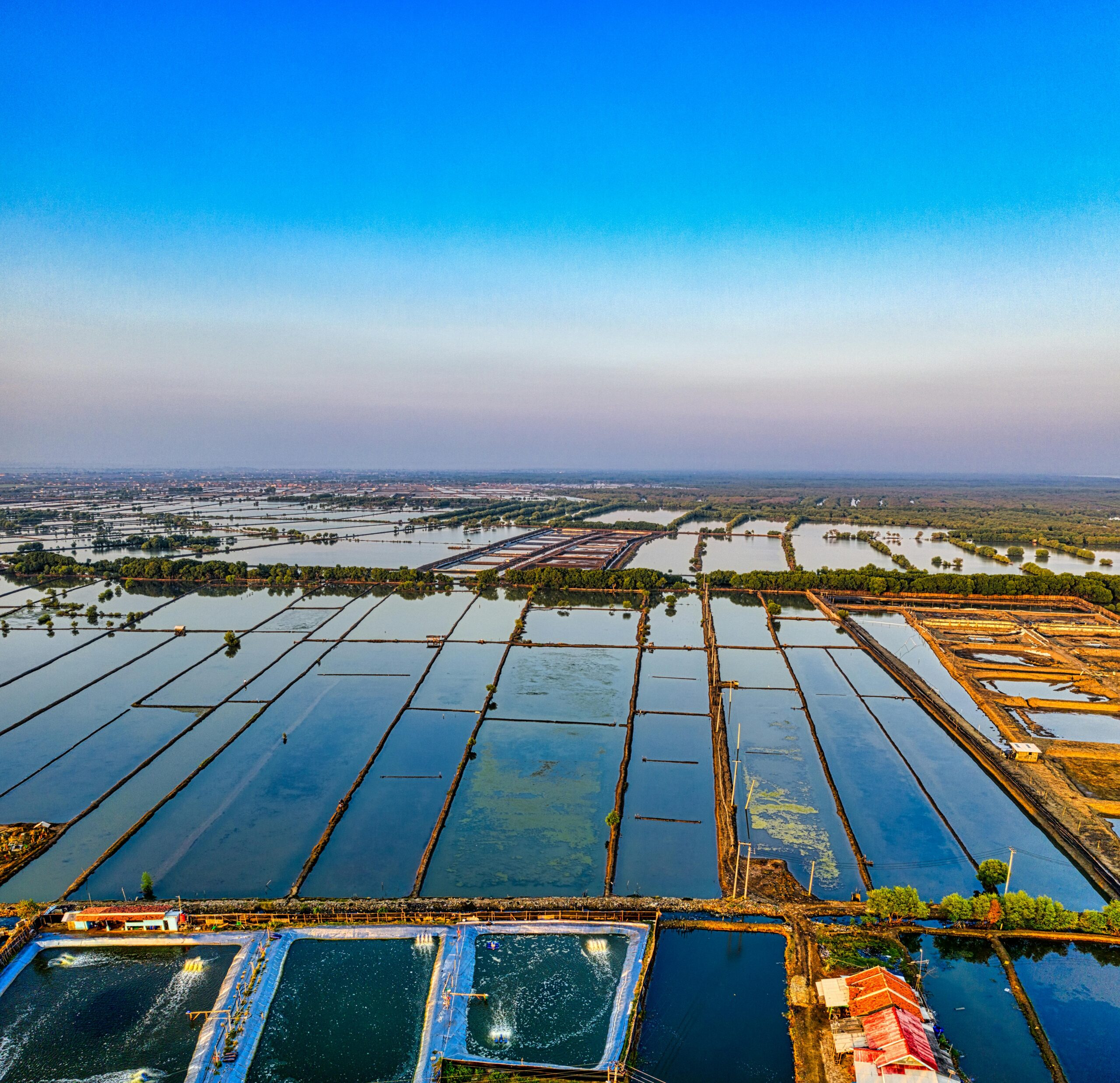
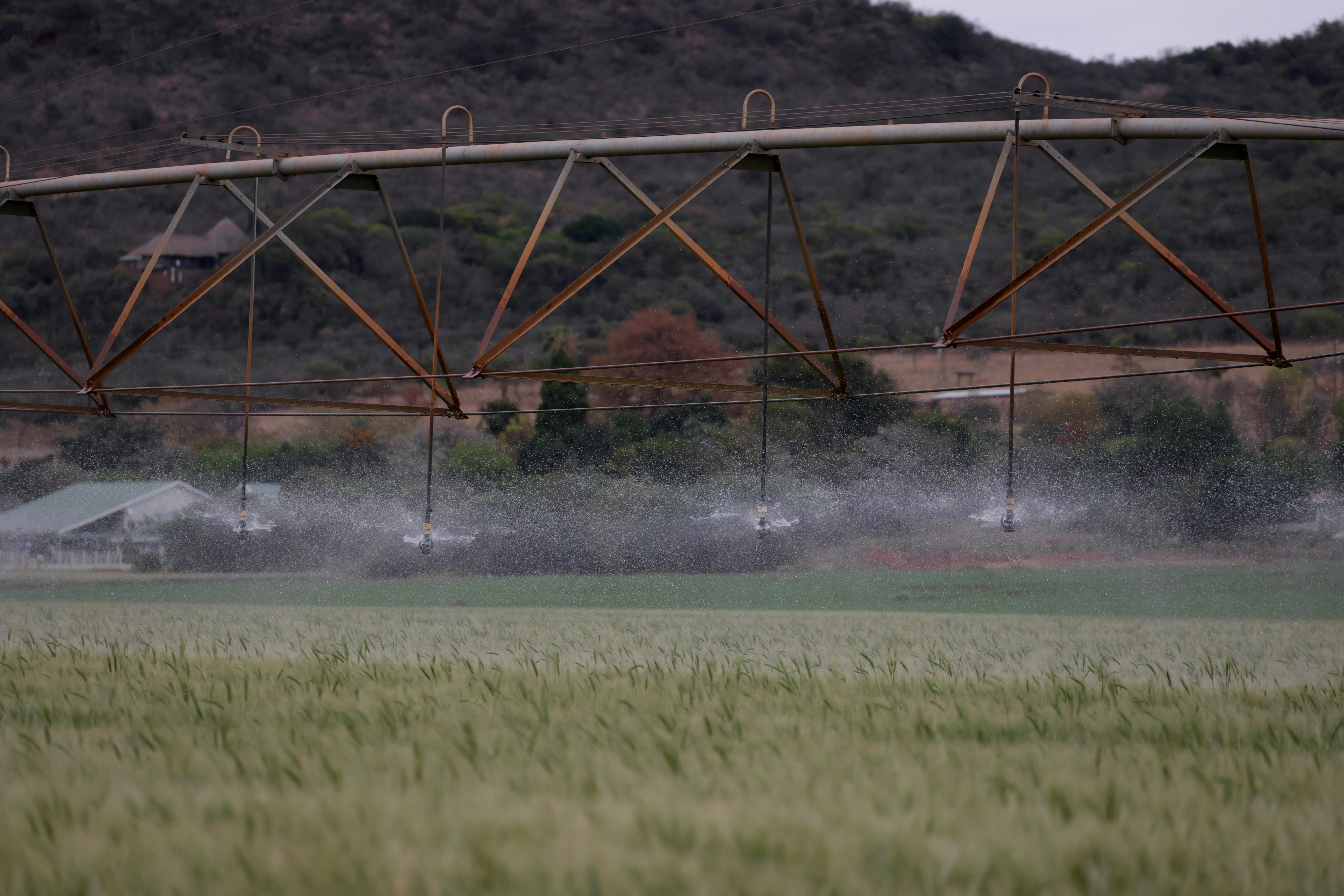
Modern agriculture creates extremely simplified trophic networks dominated by single crop species. This simplification eliminates the redundancy and complexity that stabilize natural systems, making agricultural ecosystems vulnerable to pests, diseases, and environmental fluctuations. Heavy reliance on pesticides and fertilizers further disrupts natural predator-prey relationships and nutrient cycling.
Conservation Strategies for Network Stability 🛡️
Protecting trophic network stability requires approaches that consider entire systems rather than individual species. Network-based conservation prioritizes maintaining connectivity, preserving keystone species, and ensuring functional diversity across trophic levels.
Habitat connectivity enables species movements that maintain gene flow and allow populations to track environmental changes. Wildlife corridors linking protected areas sustain meta-populations—networks of local populations connected by dispersal—enhancing overall stability through spatial dynamics.
Rewilding initiatives aim to restore trophic complexity by reintroducing missing species, particularly apex predators. These efforts recognize that truly functional ecosystems require complete trophic networks, not just preserved fragments. Success requires sufficient habitat area, restored prey populations, and management of human-wildlife conflicts.
Ecosystem-Based Management Approaches
Fisheries increasingly adopt ecosystem-based management that considers trophic interactions rather than managing species in isolation. This approach sets catch limits accounting for prey needs of marine mammals and seabirds, maintains balanced predator-prey ratios, and protects critical habitats supporting multiple trophic levels.
Adaptive management frameworks allow conservation strategies to evolve as understanding of network dynamics improves. Regular monitoring tracks network structure and stability indicators, informing adjustments that maintain or restore ecosystem resilience in the face of ongoing environmental changes.
Monitoring and Measuring Network Health 📊
Assessing trophic network stability requires sophisticated analytical tools that capture complex interactions. Network metrics quantify structural properties associated with stability, including connectance, modularity, and centrality measures that identify key species and vulnerable points.
Long-term ecological monitoring programs provide invaluable data on network dynamics and stability. Time series revealing population fluctuations, interaction strengths, and community composition changes help distinguish normal variability from concerning trends indicating declining stability.
Emerging technologies enhance network monitoring capabilities. Environmental DNA sampling detects species presence from water, soil, or air samples, revealing network composition without extensive direct observation. Remote sensing tracks landscape-scale changes affecting habitat quality and connectivity that structure trophic networks.

The Path Forward: Building Resilient Ecosystems 🌍
Understanding trophic networks empowers humanity to make informed decisions supporting ecosystem stability and the services upon which civilization depends. Success requires integrating ecological knowledge into land use planning, resource management, and climate change adaptation strategies.
Protecting existing biodiversity remains the most cost-effective strategy for maintaining network stability. Preventing extinctions preserves the complex interactions and functional diversity that took millions of years to evolve. Every species lost represents irreversible damage to trophic network structure.
Restoration ecology offers opportunities to rebuild degraded trophic networks. Strategic reintroductions of missing species, habitat restoration creating niches for diverse organisms, and reconnecting fragmented landscapes can restore network complexity and resilience. These efforts work best when guided by thorough understanding of historical network structure and current ecosystem conditions.
Education and public engagement ensure that society values trophic networks and supports conservation efforts. When people understand how species interconnect and how their actions affect network stability, they become active participants in ecosystem stewardship rather than passive observers of environmental decline.
The stability of trophic networks ultimately determines whether ecosystems continue providing clean water, fertile soils, climate regulation, and countless other services sustaining human well-being. By unlocking the power of these networks through scientific understanding and applying that knowledge through conservation action, we can ensure thriving ecosystems for current and future generations. The intricate web of life supporting all species, including our own, depends on maintaining the complex, beautiful architecture of trophic networks across our planet.