Managing ecosystems requires a delicate balance between human intervention and natural processes, creating harmony that sustains both biodiversity and human needs in controlled environments.

🌿 The Foundation of Ecosystem Management
Systemic ecosystem balance represents the intricate web of relationships between living organisms and their physical environment. In managed environments, this balance becomes even more critical as human intervention plays a decisive role in maintaining ecological stability. Whether we’re discussing botanical gardens, aquariums, agricultural systems, or urban green spaces, understanding how these systems function is essential for long-term sustainability.
The concept of managed environments has evolved significantly over the past century. What once involved simple gardening or farming techniques has transformed into sophisticated systems that incorporate scientific principles, technological monitoring, and adaptive management strategies. These environments serve multiple purposes: they preserve biodiversity, provide educational opportunities, support food production, and offer recreational spaces for communities.
Understanding the Core Components of Systemic Balance
Every managed ecosystem consists of fundamental elements that must work in concert. These components include producers, consumers, decomposers, and the abiotic factors that support life. Producers, primarily plants and photosynthetic organisms, form the foundation by converting solar energy into usable organic matter. Consumers, ranging from herbivores to apex predators, maintain population controls and facilitate energy transfer throughout the system.
Decomposers play an equally vital role, breaking down organic matter and returning essential nutrients to the soil. This nutrient cycling ensures continuous availability of resources for primary producers. Abiotic factors such as water quality, soil composition, temperature, and light intensity create the environmental conditions that determine which organisms can thrive in a particular managed space.
The Role of Biodiversity in System Resilience
Biodiversity acts as an insurance policy for managed ecosystems. Greater species diversity typically correlates with increased resilience against disturbances, diseases, and environmental changes. When multiple species fulfill similar ecological roles, the loss of one species doesn’t necessarily collapse the entire system. This functional redundancy provides stability and adaptability.
In managed environments, maintaining appropriate biodiversity levels requires careful planning. Managers must consider native species preservation while sometimes incorporating non-native species that serve specific functions without becoming invasive. This balance is particularly challenging in urban ecosystems where space constraints and human activities limit natural ecological processes.
🔄 Dynamic Equilibrium: The Heart of Ecosystem Health
True ecosystem balance isn’t static—it’s a dynamic equilibrium where constant small adjustments maintain overall stability. In managed environments, this equilibrium requires active monitoring and intervention. Unlike natural ecosystems that self-regulate over vast timescales, managed systems often need human guidance to prevent imbalances that could lead to ecosystem collapse.
Dynamic equilibrium manifests in various ways. Predator-prey relationships fluctuate within acceptable ranges, nutrient levels oscillate seasonally, and microbial populations shift in response to environmental conditions. Successful ecosystem management recognizes these natural fluctuations and distinguishes them from problematic trends that require intervention.
Indicators of Ecosystem Health
Identifying reliable indicators helps managers assess ecosystem health and detect problems early. These indicators include species diversity indices, population densities of keystone species, water quality parameters, soil health metrics, and productivity measurements. Regular monitoring of these factors provides data-driven insights for management decisions.
Biological indicators often prove more informative than simple chemical measurements. The presence or absence of indicator species—organisms particularly sensitive to environmental changes—can reveal subtle problems before they become critical. For example, declining amphibian populations often signal water quality issues, while changes in pollinator abundance indicate potential problems with plant reproduction.
Management Strategies for Systemic Balance
Effective ecosystem management in controlled environments employs multiple strategies tailored to specific contexts. Integrated pest management reduces reliance on harmful chemicals by combining biological controls, cultural practices, and selective interventions. This approach maintains pest populations at acceptable levels without disrupting broader ecological relationships.
Adaptive management represents a cornerstone philosophy in modern ecosystem stewardship. This iterative approach treats management actions as experiments, carefully monitoring outcomes and adjusting strategies based on results. Rather than assuming perfect knowledge, adaptive management acknowledges uncertainty and builds learning into the management process itself.
Technology’s Role in Modern Ecosystem Management
Contemporary ecosystem management increasingly relies on technological tools that enhance monitoring precision and decision-making capabilities. Remote sensing technologies track vegetation health across large areas, while automated sensors provide real-time data on temperature, humidity, soil moisture, and other critical parameters. Geographic information systems (GIS) integrate spatial data to identify patterns and optimize management interventions.
Artificial intelligence and machine learning algorithms now analyze complex ecological data sets, identifying trends that might escape human observation. These technologies predict potential problems and recommend preventive actions, enabling proactive rather than reactive management approaches. However, technology complements rather than replaces ecological expertise—successful management still requires deep understanding of biological and ecological principles.
⚖️ Balancing Human Needs with Ecological Integrity
One of the greatest challenges in managed environments involves balancing human objectives with ecological requirements. Agricultural systems must produce food efficiently while maintaining soil health and minimizing environmental impacts. Urban parks need to accommodate recreational activities without degrading habitats for native species. Botanical gardens strive to educate visitors while preserving rare plant specimens.
This balance often requires difficult compromises and creative solutions. Agroforestry systems integrate trees with crops, providing multiple benefits including erosion control, habitat diversity, and additional income sources. Green infrastructure in cities manages stormwater while creating wildlife corridors and improving air quality. These multifunctional approaches maximize benefits across different objectives.
Community Engagement and Stakeholder Participation
Sustainable ecosystem management requires community support and stakeholder involvement. When local communities understand and value managed ecosystems, they become partners in conservation efforts rather than threats to ecosystem integrity. Educational programs, volunteer opportunities, and participatory decision-making processes build this essential connection.
Successful engagement strategies communicate ecosystem services—the tangible benefits that healthy ecosystems provide to human communities. These include clean water, air purification, climate regulation, pollination services, and recreational opportunities. By highlighting these connections, managers build public support for conservation initiatives and sustainable practices.
🌊 Water Management: The Lifeblood of Ecosystems
Water management stands as perhaps the most critical aspect of maintaining systemic balance in controlled environments. Water quantity and quality directly affect every organism within an ecosystem. Too much water causes flooding and anaerobic conditions; too little creates drought stress and limits biological activity. Water chemistry—including pH, dissolved oxygen, nutrient concentrations, and contaminant levels—determines which species can survive and thrive.
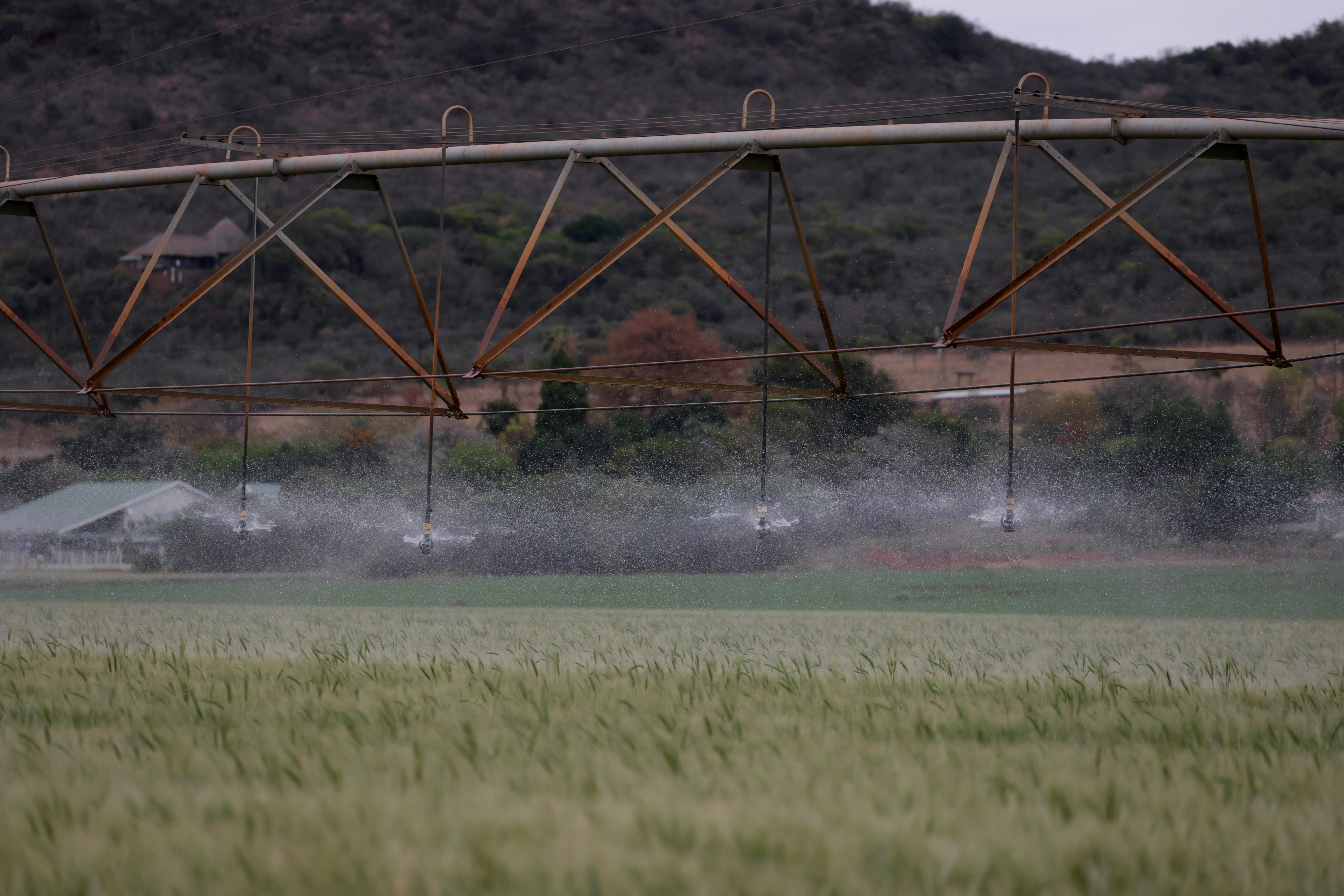
In managed environments, water systems often require active regulation. Irrigation systems deliver water to crops and landscapes, while drainage infrastructure prevents waterlogging. Constructed wetlands treat wastewater naturally while providing habitat for specialized species. These engineered systems mimic natural hydrological processes while serving specific human purposes.
Nutrient Cycling and Water Quality
Nutrient management intimately connects with water quality in managed ecosystems. Excessive nutrients, particularly nitrogen and phosphorus, cause eutrophication in aquatic systems—triggering algal blooms that deplete oxygen and kill aquatic organisms. Conversely, nutrient deficiencies limit productivity and biodiversity in terrestrial systems.
Sustainable nutrient management employs closed-loop systems that minimize inputs and recycle outputs. Composting returns organic matter to soils, while constructed wetlands capture and utilize nutrients from runoff. These approaches reduce pollution while maintaining the nutrient availability necessary for healthy ecosystems.
Climate Adaptation in Managed Ecosystems
Climate change presents unprecedented challenges for ecosystem management. Rising temperatures, altered precipitation patterns, and increased frequency of extreme weather events disrupt established ecological relationships. Managed environments must adapt to these changes while maintaining their core functions and values.
Climate adaptation strategies include selecting resilient species suited to projected future conditions, enhancing genetic diversity to improve adaptive capacity, and creating flexible management plans that accommodate uncertainty. Some managers deliberately assist species migration, moving organisms to more suitable habitats as conditions change—a controversial practice called assisted colonization.
Building Resilience Through Redundancy and Diversity
Climate resilience depends heavily on maintaining functional redundancy and biological diversity. Ecosystems with multiple species performing similar roles better withstand climate-related disturbances. If one species declines due to heat stress or drought, others can compensate and maintain ecosystem functions.
Landscape-level connectivity also enhances resilience by allowing species to move in response to changing conditions. Wildlife corridors connecting managed environments enable genetic exchange and facilitate range shifts. This connectivity becomes increasingly important as climate change accelerates and species need to track suitable conditions across space.
🔬 Monitoring and Assessment: The Science of Balance
Rigorous monitoring programs provide the foundation for effective ecosystem management. These programs establish baseline conditions, track changes over time, and evaluate management effectiveness. Well-designed monitoring balances comprehensiveness with feasibility, focusing resources on the most informative indicators.
Long-term ecological research reveals patterns and trends invisible in short-term studies. Some ecological processes unfold over decades or centuries, requiring sustained observation to understand fully. Historical data becomes increasingly valuable over time, enabling managers to distinguish normal variability from problematic trends and climate-driven changes from local disturbances.
Integrating Traditional and Scientific Knowledge
Indigenous and local communities often possess detailed ecological knowledge accumulated over generations. This traditional ecological knowledge complements scientific approaches, providing insights into long-term patterns, species behavior, and ecosystem dynamics. Integrating diverse knowledge systems creates more robust management strategies and respects cultural connections to managed landscapes.
Collaborative research partnerships that include indigenous communities, local residents, scientists, and managers generate more comprehensive understanding and more acceptable solutions. These partnerships acknowledge that ecosystem management is as much a social process as a technical one, requiring negotiation and compromise among diverse stakeholders with different values and priorities.
Economic Dimensions of Ecosystem Management
Financial sustainability challenges every managed ecosystem. Conservation requires funding for staff, infrastructure, monitoring, and interventions. Agricultural systems must generate sufficient income to support farming families. Urban green spaces compete for limited municipal budgets. Understanding economic dimensions is essential for long-term viability.
Ecosystem services valuation helps demonstrate economic benefits of healthy ecosystems. By quantifying the monetary value of services like water purification, flood control, carbon sequestration, and pollination, managers make compelling arguments for conservation investments. Payment for ecosystem services programs directly compensate landowners for maintaining ecological functions, creating economic incentives aligned with conservation goals.

🌱 The Path Forward: Innovation and Adaptation
The future of managed ecosystem balance lies in continuous innovation and adaptation. Emerging technologies like synthetic biology, precision agriculture, and ecological engineering offer new tools for addressing persistent challenges. However, these innovations must be applied thoughtfully, with careful consideration of potential unintended consequences and ethical implications.
Education remains fundamental to successful ecosystem management. Training the next generation of ecosystem managers requires interdisciplinary programs combining ecology, technology, social sciences, and practical experience. Beyond professional training, broad public education about ecological principles and ecosystem services builds the social foundation for sustainable environmental stewardship.
Managed environments exemplify humanity’s capacity to work with natural systems rather than against them. By understanding and respecting ecological principles, we create spaces that serve human needs while supporting biodiversity and ecosystem health. This harmony between human management and natural processes represents not just good environmental practice, but a vision for sustainable coexistence on our shared planet. The challenges are significant, but with continued learning, adaptation, and commitment to systemic balance, managed ecosystems can thrive and evolve, providing benefits for both nature and humanity for generations to come.