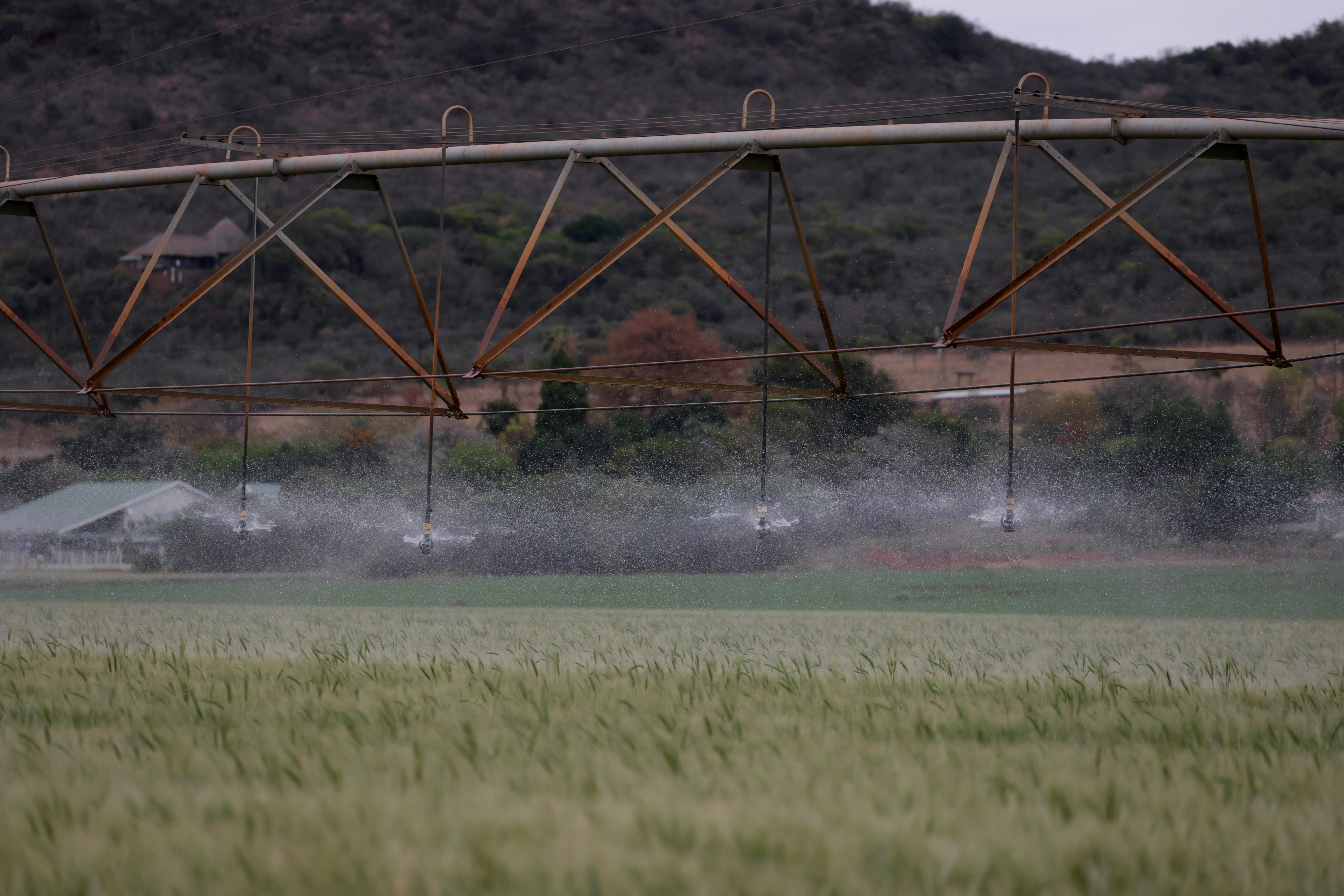
Feed efficiency represents one of the most critical factors in modern animal production, directly impacting profitability, sustainability, and environmental stewardship across livestock operations worldwide.

🌾 Understanding Feed Efficiency in Modern Agriculture
Feed efficiency, commonly measured as feed conversion ratio (FCR), describes how effectively animals convert feed into body mass, milk, or eggs. In an era where feed costs account for 60-70% of total production expenses, optimizing this metric has become paramount for agricultural sustainability. The environmental factors influencing feed efficiency extend far beyond simple nutrition, encompassing climate conditions, housing design, air quality, and stress management protocols.
Producers who successfully identify and manipulate environmental variables can achieve remarkable improvements in performance metrics. Research demonstrates that optimizing environmental conditions can improve feed efficiency by 10-25%, translating to substantial economic gains while simultaneously reducing the environmental footprint of animal agriculture. Understanding these factors requires a holistic approach that considers the complex interactions between animals and their surroundings.
🌡️ Temperature and Thermal Comfort: The Foundation of Efficiency
Thermoregulation consumes significant energy resources that could otherwise support productive functions. When animals experience thermal stress, whether from heat or cold, their metabolic demands increase dramatically, diverting nutrients away from growth, milk production, or reproduction. The thermoneutral zone, the temperature range where animals maintain body temperature with minimal energy expenditure, varies by species, age, and production stage.
For poultry, the optimal temperature range narrows considerably as birds mature. Broiler chickens perform best between 18-24°C during the finishing phase, while laying hens thrive at slightly cooler temperatures of 16-21°C. Deviation from these ranges triggers physiological responses that compromise feed efficiency. Heat stress above 27°C causes reduced feed intake, panting, and redirected blood flow for cooling, resulting in FCR deterioration of 15-20% in severe cases.
Cold Stress and Energy Expenditure
Cold environments present equally challenging scenarios. Pigs exposed to temperatures below their thermoneutral zone (16-22°C for finishing pigs) increase feed consumption to generate body heat through non-shivering thermogenesis. While this maintains body temperature, it represents wasted feed energy that doesn’t contribute to lean tissue deposition. Young animals, with their limited thermoregulatory capacity and higher surface-area-to-volume ratios, face particularly severe challenges in cold conditions.
Strategic environmental management includes proper insulation, ventilation control, and supplemental heating or cooling systems. Investment in climate control technology consistently delivers positive returns through improved feed efficiency, reduced mortality, and enhanced animal welfare. Modern precision livestock farming systems now incorporate real-time temperature monitoring with automated adjustment capabilities, maintaining optimal conditions continuously.
💨 Air Quality: The Invisible Performance Factor
Air quality significantly influences respiratory health, immune function, and ultimately feed efficiency. Ammonia, hydrogen sulfide, carbon dioxide, and dust particles accumulate in enclosed livestock facilities, creating respiratory challenges that compromise performance. Ammonia concentrations above 25 ppm irritate respiratory mucosa, reducing cilia function and increasing susceptibility to pathogens.
Poor air quality triggers inflammatory responses requiring energy and nutrients that could otherwise support growth. Research in swine production demonstrates that reducing ammonia levels from 50 ppm to below 10 ppm improves daily gain by 8-12% while simultaneously improving feed conversion by 5-8%. The respiratory system’s compromised ability to deliver oxygen to tissues further impairs metabolic efficiency and nutrient utilization.
Ventilation Strategies for Optimal Air Quality
Effective ventilation systems balance fresh air introduction with temperature maintenance and humidity control. Minimum ventilation rates must continuously remove moisture and contaminant gases even during cold weather, while maximum ventilation capacities handle heat stress periods. Properly designed systems create uniform air distribution without drafts, preventing localized areas of poor air quality or temperature extremes.
Natural ventilation works effectively in moderate climates and extensive systems, utilizing temperature and wind-driven air movement. However, controlled mechanical ventilation provides superior consistency and precision, particularly in intensive operations. Negative pressure systems, commonly employed in poultry and swine facilities, offer excellent control over air exchange rates and directional flow patterns.
💧 Humidity Control and Moisture Management
Relative humidity interacts with temperature to determine the effective thermal environment experienced by animals. High humidity impairs evaporative cooling mechanisms, making hot conditions feel even more stressful. Conversely, extremely low humidity irritates respiratory passages and increases dust suspension. The optimal relative humidity range typically falls between 50-70% for most livestock species.
Excessive moisture creates ideal conditions for pathogen proliferation, particularly respiratory and enteric diseases that devastate feed efficiency. Wet litter in poultry operations increases ammonia production, footpad dermatitis, and coccidiosis pressure. In cattle facilities, muddy conditions increase energy expenditure for movement while compromising hoof health and comfort.
Moisture management strategies include proper drainage design, adequate ventilation, appropriate stocking densities, and water system maintenance to prevent leakage. Bedding material selection and management significantly impact moisture control, with highly absorbent materials requiring less frequent changing while maintaining drier conditions conducive to health and efficiency.
☀️ Lighting Programs and Photoperiod Management
Light exposure influences feeding behavior, activity patterns, hormone secretion, and overall physiology. Photoperiod manipulation serves as a powerful management tool for optimizing feed efficiency across multiple species. In poultry production, lighting programs precisely control day length, intensity, and spectrum to maximize performance while supporting welfare.
Broiler chickens raised under continuous or near-continuous lighting grow rapidly but face welfare challenges including leg problems and metabolic disorders. Modern intermittent lighting programs, incorporating dark periods for rest, improve bone development and reduce mortality while maintaining excellent feed efficiency. Research demonstrates that providing 4-6 hours of darkness improves overall efficiency by allowing proper rest and metabolic recovery.
Light Intensity and Spectrum Considerations
Light intensity affects activity levels and feeding behavior. Dim lighting reduces activity and aggressive interactions, potentially improving efficiency by reducing energy expenditure on non-productive behaviors. However, excessively dim conditions compromise animal welfare by limiting natural behaviors. Current recommendations suggest 20-50 lux for broilers, providing adequate visibility while preventing hyperactivity.
Light spectrum, particularly the wavelength composition, influences growth rates and feed intake patterns. Blue and green wavelengths promote growth in poultry, while red light reduces aggression and improves calmness. LED technology enables precise spectrum control, allowing producers to optimize lighting conditions for specific production goals while reducing energy consumption by 50-80% compared to traditional systems.
🏠 Housing Design and Space Allocation
Physical environment design profoundly impacts feed efficiency through its influence on animal comfort, health, and behavior. Adequate space allocation prevents overcrowding stress, reduces competition for resources, and minimizes disease transmission. However, excessive space increases heating and cooling costs while reducing economic efficiency per unit area.
Optimal stocking density balances animal welfare with economic performance. Research consistently shows that moderate overcrowding initially maintains reasonable production levels, but crossing critical thresholds causes precipitous declines in feed efficiency, health, and welfare. Species-specific guidelines provide starting points, but producers must adjust based on climate, management capabilities, and market demands.
Flooring and Resting Surfaces
Floor type and quality significantly affect animal comfort, health, and energy expenditure. Slatted floors facilitate manure removal but may compromise comfort and increase maintenance energy requirements. Solid floors with bedding provide superior comfort but require more labor and management attention for moisture control.
Cattle performance on concrete versus dirt surfaces demonstrates that harder surfaces increase maintenance energy requirements, particularly in finishing systems where animals spend significant time lying. Providing rubber mats or deep bedding improves comfort and reduces energy expenditure for thermoregulation and movement, translating to improved feed efficiency of 3-7% in well-managed systems.
🔄 Stress Reduction and Environmental Enrichment
Chronic stress elevates cortisol and other stress hormones that antagonize growth processes while promoting catabolism. Environmental stressors including noise, handling practices, social instability, and fear all compromise feed efficiency by redirecting nutrients toward stress responses rather than productive functions. Stress management represents a critical but often overlooked component of environmental optimization.
Social stress from aggression and dominance hierarchies particularly impacts feed efficiency in group-housed animals. Subordinate animals may experience reduced feeding opportunities, chronic activation of stress responses, and physical injuries requiring energy for healing. Providing adequate feeder space, reducing group sizes, and maintaining stable social groups minimize these welfare and performance issues.
Environmental Enrichment Benefits
Environmental enrichment, including manipulable objects, varied terrain, and opportunities for natural behaviors, reduces stress and improves welfare while potentially enhancing efficiency. Pigs provided with rooting materials exhibit reduced abnormal behaviors and improved feed conversion compared to barren environments. Enrichment effectiveness depends on species-appropriate design that addresses specific behavioral needs without compromising biosecurity or management.
Noise control deserves greater attention in facility design and operation. Excessive or unpredictable noise elevates stress responses, reduces feeding time, and compromises rest quality. Simple interventions like equipment maintenance, sound-dampening materials, and careful operation timing reduce noise stress without significant investment.
🌱 Integrating Environmental Monitoring Technology
Precision livestock farming technologies enable continuous environmental monitoring and data-driven decision making. Wireless sensor networks measure temperature, humidity, air quality, and light levels across facilities, identifying problems before they severely impact performance. Integration with animal monitoring systems, including feeding behavior, activity, and vocalization patterns, provides comprehensive insight into environmental impacts on welfare and efficiency.
Automated control systems respond to sensor data in real-time, adjusting ventilation rates, heating, cooling, and lighting to maintain optimal conditions continuously. Machine learning algorithms identify patterns and predict problems, enabling proactive management interventions. The data generated supports benchmarking, troubleshooting, and continuous improvement processes that drive incremental efficiency gains over time.
Economic Considerations of Environmental Investment
Environmental control investments require careful economic analysis balancing initial costs against long-term efficiency improvements. Payback periods vary depending on production system, climate challenges, and current facility conditions. Generally, investments addressing severe environmental deficiencies deliver the fastest returns, while incremental improvements in already good facilities show diminishing returns.
Energy efficiency considerations become increasingly important as utility costs rise and sustainability expectations grow. Modern climate control systems, LED lighting, and heat recovery technologies reduce operational costs while improving environmental control. Government incentives and sustainability programs may provide financial assistance for environmental improvements, improving investment economics.
🌍 Environmental Factors and Sustainability Goals
Improving feed efficiency through environmental optimization directly supports agricultural sustainability by reducing resource inputs per unit of product. Better efficiency means less feed production required, reducing land use, water consumption, fertilizer application, and greenhouse gas emissions associated with feed crop cultivation. Additionally, reduced feed wastage and improved animal health decrease nutrient excretion and environmental pollution from livestock operations.
Consumer expectations increasingly demand environmentally responsible production practices. Demonstrating commitment to animal welfare through optimal environmental conditions enhances brand reputation and market access. Certification programs and sustainability standards often include environmental management requirements, making optimization essential for market participation rather than optional improvement.
📊 Measuring and Monitoring Efficiency Improvements
Effective environmental management requires robust measurement systems tracking both environmental parameters and performance outcomes. Feed conversion ratio remains the primary efficiency metric, but supplementary measures including daily gain, mortality rate, medication usage, and carcass quality provide comprehensive assessment of environmental impacts.
Establishing baseline performance under current conditions enables evaluation of intervention effectiveness. Controlled comparisons between environmental treatments, when feasible, provide the strongest evidence for optimization decisions. Long-term trend analysis accounts for seasonal variations and identifies gradual deterioration or improvement in environmental conditions and performance.
🎯 Practical Implementation Strategies
Successful environmental optimization begins with systematic assessment identifying the most significant limiting factors in specific operations. Simple improvements addressing major deficiencies often deliver greater returns than sophisticated systems optimizing already adequate conditions. Prioritizing interventions based on expected impact relative to investment ensures efficient resource allocation.
Gradual implementation allows learning and adjustment before full-scale deployment. Pilot programs in representative facility sections test interventions under actual operating conditions, revealing practical challenges and refinements needed for success. Engaging employees in assessment and implementation processes builds buy-in and ensures proper operation of new systems and practices.
Continuous monitoring and adjustment prevent complacency and capture ongoing improvement opportunities. Environmental conditions and animal responses change with seasons, production stages, and facility aging. Regular review of performance data and environmental parameters identifies emerging problems and optimization opportunities, supporting continuous rather than one-time improvement.

🚀 Future Directions in Environmental Management
Emerging technologies promise even greater precision in environmental control and efficiency optimization. Artificial intelligence and machine learning systems will increasingly predict individual animal needs based on behavioral patterns, genetic profiles, and physiological measurements. Wearable sensors and computer vision enable individual animal monitoring in group housing situations, allowing targeted interventions for animals experiencing environmental stress.
Climate change presents growing challenges requiring adaptive environmental management strategies. Increasing temperature extremes, shifting precipitation patterns, and greater weather variability demand robust, flexible systems maintaining optimal conditions despite external challenges. Investment in climate resilience becomes essential for long-term operational viability and consistent production efficiency.
Integration of renewable energy systems with livestock environmental control reduces operational costs while supporting sustainability goals. Solar panels, wind turbines, and biogas systems generated from manure provide on-farm energy production, improving economic and environmental performance simultaneously. Energy storage technologies enable continued operation during grid interruptions, protecting animal welfare and production efficiency.
The convergence of environmental optimization, genetic selection, and nutritional advances promises unprecedented feed efficiency levels in coming decades. Animals genetically suited to their production environment, receiving precisely formulated diets, and maintained in optimally controlled conditions will achieve efficiency levels currently considered impossible. However, realizing this potential requires holistic approaches recognizing the fundamental importance of environmental factors in animal performance, health, and welfare.