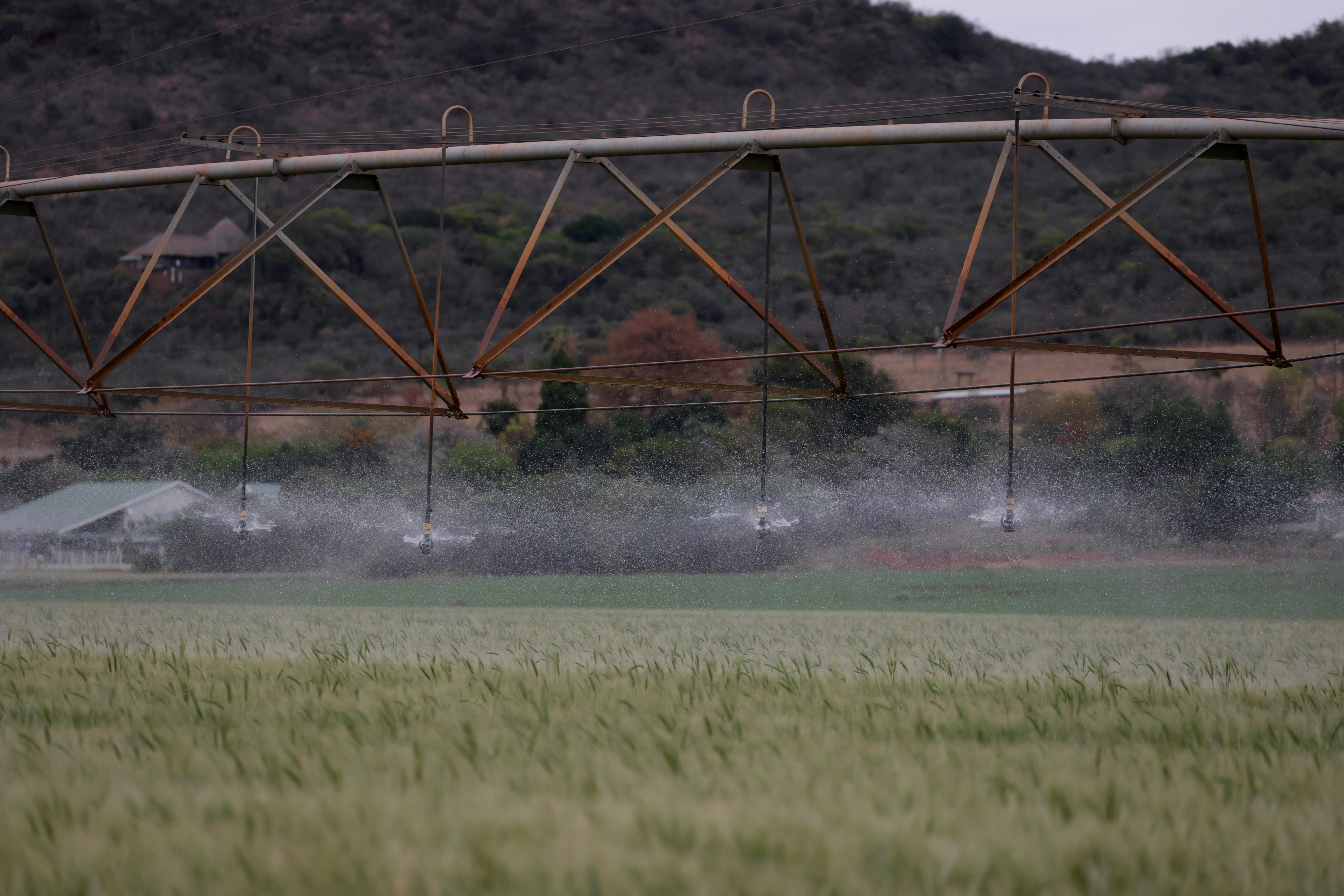
Machine learning is revolutionizing agricultural feed management by enabling precise forecasting that optimizes costs, reduces waste, and improves animal performance across all production systems.

🌾 The Feed Efficiency Challenge in Modern Agriculture
Feed represents the single largest operational cost in livestock and aquaculture production, typically accounting for 60-70% of total expenses. Traditional feeding strategies rely on historical averages, static feeding charts, and manual observations that often fail to account for dynamic variables affecting animal nutrition requirements. This approach leads to overfeeding, underfeeding, and significant economic losses that compound throughout production cycles.
The complexity of optimizing feed efficiency extends beyond simple quantity calculations. Factors such as animal genetics, growth stage, environmental conditions, feed composition variability, health status, and market dynamics create a multidimensional problem that overwhelms conventional management approaches. Machine learning offers transformative potential by processing vast datasets and identifying patterns invisible to human analysis.
Understanding Machine Learning’s Role in Feed Forecasting
Machine learning algorithms excel at discovering non-linear relationships within complex datasets. Unlike traditional statistical models that require predetermined assumptions about data relationships, machine learning systems learn directly from data patterns. This capability proves particularly valuable in feed management where countless variables interact in unpredictable ways.
Modern precision feeding systems collect continuous data streams from multiple sources: automated feeding equipment, environmental sensors, growth monitoring devices, and health surveillance systems. Machine learning algorithms process these inputs to generate real-time feeding recommendations tailored to specific conditions rather than generic protocols.
Key Machine Learning Approaches for Feed Optimization
Several machine learning methodologies have demonstrated exceptional performance in agricultural forecasting applications. Supervised learning algorithms like random forests and gradient boosting machines excel at predicting feed conversion ratios based on historical performance data. These models learn from labeled datasets where inputs and outcomes are known, then apply learned patterns to new situations.
Neural networks, particularly deep learning architectures, process complex temporal sequences in feeding data. These systems identify subtle patterns in how feeding adjustments impact growth trajectories over extended periods. Recurrent neural networks and long short-term memory networks prove especially effective for time-series forecasting in feed demand prediction.
Unsupervised learning techniques cluster animals with similar characteristics, enabling targeted feeding strategies for distinct subgroups rather than one-size-fits-all approaches. These algorithms identify natural groupings within populations based on growth rates, feed efficiency, and behavioral patterns without requiring predefined categories.
📊 Data Infrastructure: The Foundation of Precision Forecasting
Successful machine learning implementation begins with robust data collection infrastructure. Modern farms deploy interconnected sensor networks that continuously monitor critical parameters. Automated feeding systems track dispensed quantities with gram-level precision, while weight scales record growth rates at regular intervals. Environmental sensors measure temperature, humidity, air quality, and other factors influencing feed utilization.
Data quality determines model accuracy more than algorithmic sophistication. Incomplete records, sensor malfunctions, and inconsistent measurement protocols introduce noise that degrades forecasting performance. Establishing standardized data collection procedures and implementing automated quality checks ensures machine learning models receive reliable training inputs.
Essential Data Categories for Feed Efficiency Modeling
- Animal performance metrics: Daily weight gain, feed intake, feed conversion ratio, mortality rates, and health indicators
- Feed composition data: Nutrient profiles, ingredient analysis, batch variations, and quality parameters
- Environmental conditions: Temperature ranges, humidity levels, air quality measurements, and seasonal variations
- Management practices: Feeding schedules, diet formulations, stocking densities, and intervention timing
- Economic variables: Feed costs, ingredient prices, market conditions, and production targets
Building Predictive Models for Feed Demand
Accurate feed demand forecasting prevents costly oversupply or production-limiting shortages. Machine learning models analyze historical consumption patterns, growth trajectories, and external factors to project future requirements with remarkable precision. These forecasts extend from daily operational planning to strategic procurement decisions spanning multiple production cycles.
Time-series forecasting algorithms process sequential feeding data to identify recurring patterns, seasonal trends, and cyclical variations. Advanced models incorporate external variables like weather forecasts, market price projections, and epidemiological data to adjust predictions based on anticipated conditions rather than assuming static environments.
Implementation Strategies for Demand Forecasting Systems
Beginning with pilot projects on representative subsets of production units allows validation before full-scale deployment. Initial models focus on single species or production stages where data availability and variable complexity remain manageable. As systems demonstrate value and organizational expertise develops, scope expands to encompass entire operations.
Hybrid approaches combining machine learning predictions with domain expertise often outperform purely algorithmic or entirely manual systems. Experienced farm managers provide context-specific knowledge about unusual conditions, upcoming changes, or special circumstances that models cannot independently detect. Interactive interfaces allowing expert override of automated recommendations balance algorithmic precision with human judgment.
🎯 Optimizing Feed Conversion Ratios Through Predictive Analytics
Feed conversion ratio—the amount of feed required to produce a unit of animal weight gain—represents the ultimate efficiency metric. Even marginal improvements translate to substantial economic benefits across large production volumes. Machine learning identifies optimal feeding strategies that maximize conversion efficiency under specific conditions for individual animals or cohorts.
Regression models predict expected feed conversion based on animal characteristics, nutritional inputs, and environmental factors. Comparing actual performance against predictions highlights underperforming individuals or groups requiring intervention. Early detection of efficiency degradation enables corrective actions before significant losses accumulate.
Dynamic Feeding Adjustments Based on Real-Time Analysis
Static feeding programs cannot accommodate the continuous variation in animal requirements and environmental conditions. Machine learning enables dynamic adjustments responding to current measurements rather than predetermined schedules. Algorithms process real-time sensor data to recommend immediate feeding modifications optimizing efficiency under present circumstances.
Reinforcement learning represents a particularly powerful approach for dynamic feeding optimization. These systems learn optimal decision policies through trial and adjustment, continuously improving recommendations based on observed outcomes. The algorithm explores different feeding strategies, evaluates results, and progressively refines its approach to maximize long-term efficiency.
Precision Nutrition: Tailoring Diets to Individual Requirements
Animals within the same population exhibit substantial variation in nutritional requirements based on genetics, growth potential, health status, and behavioral characteristics. Precision nutrition uses machine learning to customize diet formulations and feeding quantities for individual animals or small groups with similar profiles.
Computer vision systems combined with machine learning analyze body condition, activity patterns, and feeding behaviors to assess individual nutritional status. These assessments inform personalized feeding recommendations that prevent overfeeding high-efficiency animals while ensuring adequate nutrition for those with elevated requirements.
Multi-Objective Optimization in Diet Formulation
Diet formulation involves balancing multiple competing objectives: minimizing costs, maximizing growth rates, maintaining health, ensuring product quality, and reducing environmental impact. Machine learning excels at multi-objective optimization, identifying formulations that achieve optimal trade-offs across all priorities rather than maximizing single metrics at the expense of others.
Evolutionary algorithms and genetic programming explore vast formulation spaces to discover novel diet combinations that outperform conventional approaches. These methods test thousands of virtual formulations, simulate expected outcomes, and progressively evolve superior solutions through iterative refinement processes inspired by biological evolution.
🔮 Forecasting Feed Ingredient Prices for Strategic Procurement
Feed ingredient costs fluctuate significantly based on agricultural commodity markets, weather patterns, geopolitical events, and supply chain dynamics. Machine learning models forecast price movements enabling strategic procurement decisions that reduce costs through optimal timing and contract structuring.
Time-series models process historical price data alongside external indicators like weather forecasts, crop yield predictions, fuel costs, and economic indicators. These models identify leading indicators that precede price movements, providing advance warning for procurement adjustments.
Risk Management Through Predictive Price Intelligence
Volatility in ingredient costs creates financial uncertainty threatening operation profitability. Predictive price forecasting enables proactive risk management through strategic inventory accumulation during low-price periods and forward contracting when price increases appear imminent. Machine learning quantifies probability distributions for future prices rather than single-point predictions, supporting sophisticated risk assessment.
Integration of price forecasts with demand projections optimizes inventory levels and purchasing timing. Models calculate optimal order quantities balancing carrying costs against potential price increases, storage constraints, and quality deterioration timelines.
Environmental Impact Reduction Through Optimized Feeding
Overfeeding contributes to environmental degradation through excess nutrient excretion that pollutes water systems and generates greenhouse gas emissions. Precision feeding guided by machine learning minimizes environmental impact by matching feed provision to actual animal requirements, reducing waste output per unit of production.
Nitrogen and phosphorus excretion directly correlate with feeding efficiency. Machine learning optimization that improves feed conversion simultaneously reduces nutrient waste. Predictive models quantify environmental impact alongside economic metrics, enabling management decisions that balance profitability with sustainability objectives.
Carbon Footprint Optimization in Livestock Production
Feed production and enteric fermentation represent major sources of agricultural greenhouse gas emissions. Machine learning identifies feeding strategies and diet formulations that minimize carbon footprint without compromising production efficiency. Models incorporate emissions factors for different ingredients and feeding practices, optimizing selections that reduce climate impact.
Life cycle assessment models enhanced with machine learning evaluate total environmental impact from ingredient production through animal processing. These comprehensive analyses reveal optimization opportunities invisible when examining individual production stages in isolation.
💡 Implementing Machine Learning Systems: Practical Considerations
Successful implementation requires careful planning addressing technical, organizational, and human factors. Technology infrastructure must support data collection, storage, processing, and visualization at scales matching operational requirements. Cloud-based platforms offer scalability and accessibility advantages, while edge computing enables real-time processing in environments with limited connectivity.
Personnel training ensures effective system utilization and builds organizational capacity for ongoing optimization. Staff need sufficient understanding of machine learning principles to interpret recommendations, identify anomalies, and collaborate effectively with technical specialists. Transitioning from traditional management approaches requires cultural adaptation alongside technical deployment.
Overcoming Common Implementation Challenges
Data availability frequently presents the primary implementation obstacle, particularly for operations without existing digital infrastructure. Phased deployment beginning with manual data collection and basic analytics builds foundational capabilities while demonstrating value justifying expanded sensor investment.
Model interpretability concerns arise when algorithms generate recommendations through complex processes difficult for users to understand. Explainable AI techniques provide transparency into decision-making logic, building user confidence and facilitating adoption. Visual dashboards presenting key drivers behind recommendations help bridge the gap between algorithmic outputs and practical understanding.
Measuring Return on Investment from Precision Feeding
Quantifying financial returns validates technology investments and guides optimization priorities. Key performance indicators include feed conversion ratio improvements, cost per unit of gain reductions, mortality decreases, and growth rate enhancements. Comprehensive ROI calculations account for technology costs, implementation expenses, and ongoing operational requirements balanced against cumulative benefits.
Most operations implementing machine learning-driven precision feeding report payback periods of 12-24 months, with ongoing annual returns substantially exceeding initial investments. Benefits compound over time as models improve through continuous learning and organizational expertise deepens.
🚀 The Future of Feed Efficiency Optimization
Emerging technologies promise further advancements in precision feeding capabilities. Integration of genomic data enables prediction of individual animal feed efficiency potential before production begins, informing selection decisions and personalized nutrition strategies. Microbiome analysis reveals digestive efficiency variations suggesting probiotic interventions or diet modifications enhancing nutrient utilization.
Computer vision and behavioral monitoring systems provide increasingly detailed animal assessment without invasive interventions. Video analysis detects subtle health and welfare indicators enabling early intervention before efficiency impacts become significant. Automated behavior classification identifies animals under stress or displaying abnormal patterns warranting attention.
Federated learning approaches allow collaborative model development across multiple operations while preserving data privacy. Farms contribute to collective algorithm training without sharing proprietary information, accelerating advancement through shared learning while maintaining competitive advantages.

Building Competitive Advantage Through Data-Driven Operations
Organizations embracing machine learning for feed efficiency gain substantial competitive advantages in increasingly challenging markets. Superior efficiency translates directly to lower production costs, enabling profitable operation during market downturns that force less efficient competitors from the industry. Consistent quality and reliability strengthen market positioning and customer relationships.
Data-driven operations attract investment capital and strategic partnerships recognizing the superior risk-adjusted returns from technologically advanced production systems. Financial institutions increasingly view precision agriculture capabilities as key indicators of operational sophistication and long-term viability when evaluating lending opportunities.
The transformation from intuition-based feeding to precision forecasting powered by machine learning represents a fundamental shift in agricultural production. Early adopters establishing data infrastructure, building analytical capabilities, and developing organizational expertise position themselves at the forefront of an industry revolution. The question facing producers is no longer whether to implement these technologies, but how quickly they can deploy systems capturing available efficiency gains before competitive pressures eliminate margin for operations maintaining traditional approaches.