In today’s resource-constrained world, integrating feed models with water-quality models represents a transformative approach to sustainable aquaculture and agricultural management practices. 🌊

Understanding the Foundation: What Are Feed and Water-Quality Models?
Before diving into integration strategies, it’s essential to understand what these models represent individually. Feed models are sophisticated computational tools designed to predict and optimize nutrient delivery, growth rates, and feed conversion efficiency in aquaculture operations. These models take into account various factors including species-specific requirements, environmental conditions, and economic considerations.
Water-quality models, on the other hand, serve as predictive instruments that simulate physical, chemical, and biological processes within aquatic systems. They monitor parameters such as dissolved oxygen levels, ammonia concentrations, pH values, temperature variations, and nutrient loads. Together, these modeling systems form the backbone of modern resource management strategies.
The Historical Separation of Management Systems
Traditionally, aquaculture operations have treated feed management and water quality as separate domains. Feed managers focused primarily on growth optimization and cost reduction, while environmental managers concentrated on maintaining acceptable water conditions. This siloed approach, though functional, often resulted in inefficiencies, increased operational costs, and suboptimal environmental outcomes.
The Compelling Case for Integration 🎯
The integration of feed models with water-quality models creates a synergistic system where decisions in one domain directly inform and optimize outcomes in another. This holistic approach recognizes the fundamental interconnectedness of feeding practices and water quality dynamics.
Real-Time Adaptive Management
When feed models communicate with water-quality monitoring systems, managers can adjust feeding schedules and quantities based on current environmental conditions. For instance, if dissolved oxygen levels decline, the integrated system can automatically reduce feeding rates to prevent further stress on the aquatic environment while maintaining optimal growth trajectories.
This real-time responsiveness eliminates the lag time between environmental changes and management decisions, significantly reducing the risk of catastrophic events such as fish kills or algal blooms.
Key Benefits of Integration for Resource Management
The advantages of combining these modeling approaches extend across economic, environmental, and operational dimensions. Understanding these benefits helps justify the initial investment required for system integration.
Enhanced Feed Conversion Efficiency
By correlating water quality parameters with feeding behavior and digestion efficiency, integrated models can identify optimal feeding windows when animals are most receptive to feed. This precision feeding approach can improve feed conversion ratios by 15-25%, representing substantial cost savings for commercial operations.
Reduced Environmental Impact
Excess nutrients from uneaten feed and metabolic waste represent significant pollution sources in aquaculture systems. Integrated models predict nutrient loading more accurately, enabling managers to maintain feeding rates that maximize production while minimizing environmental discharge. This balance is increasingly important as regulatory frameworks become more stringent worldwide.
Improved Predictive Capabilities 📊
Combined models generate more comprehensive datasets than either system alone. Machine learning algorithms can identify patterns and correlations that human observers might miss, leading to increasingly accurate predictions about system behavior under various conditions.
Technical Considerations for Successful Integration
Implementing integrated feed and water-quality models requires careful attention to technical infrastructure, data management protocols, and system compatibility issues.
Sensor Technology and Data Collection
Modern integration relies heavily on continuous data streams from multiple sensor types. Water quality sensors must provide reliable, real-time measurements of critical parameters. Similarly, feed monitoring systems need to track consumption rates, timing, and distribution patterns accurately.
The quality of model outputs depends entirely on input data quality. Establishing robust sensor calibration protocols and maintenance schedules becomes paramount for system reliability.
Software Architecture and Interoperability
The software framework must accommodate data from diverse sources and different sampling frequencies. Feed models typically operate on daily or sub-daily timescales, while some water quality processes require hourly or even minute-by-minute resolution.
Application programming interfaces (APIs) and standardized data formats facilitate communication between different software platforms. Choosing systems with open architecture and documented protocols simplifies integration efforts and future modifications.
Practical Implementation Strategies 🛠️
Transitioning from separate management systems to an integrated approach requires strategic planning and phased implementation to minimize disruption and maximize success rates.
Starting with Pilot Programs
Rather than attempting facility-wide integration immediately, successful operations typically begin with pilot projects in limited production units. This approach allows teams to identify challenges, refine protocols, and demonstrate value before scaling up investments.
Pilot programs also serve as training grounds for staff, building organizational capacity gradually while maintaining production continuity in non-pilot areas.
Building Cross-Functional Teams
Effective integration requires collaboration between traditionally separate departments. Feeding specialists, water quality managers, data scientists, and operations personnel must work together throughout the implementation process.
Regular communication channels and shared performance metrics help align these diverse perspectives toward common objectives. Creating integrated dashboards that display both feed efficiency and water quality metrics simultaneously reinforces this unified approach.
Economic Analysis: Calculating Return on Investment
While integrated systems require upfront investments in sensors, software, and training, the financial returns can be substantial and multifaceted.
Direct Cost Savings
- Reduced feed waste through precision feeding protocols
- Lower mortality rates from improved environmental conditions
- Decreased water treatment and replacement costs
- Reduced labor requirements through automation
- Minimized regulatory compliance costs and fines
Revenue Enhancement Opportunities
Beyond cost reduction, integrated management can increase revenue through faster growth rates, improved product quality, and premium pricing for sustainably produced products. Markets increasingly reward operations that demonstrate environmental stewardship through certifications and eco-labels.
Case Studies: Integration Success Stories 🌟
Examining real-world applications provides valuable insights into implementation challenges and outcomes across different production contexts.
Recirculating Aquaculture Systems
Indoor recirculating systems represent ideal environments for integration due to controlled conditions and existing monitoring infrastructure. Several operations in Norway and Canada have reported 20-30% improvements in overall system efficiency after implementing integrated management protocols.
These facilities use integrated models to optimize biofilter performance relative to feeding schedules, ensuring biological filtration capacity matches nutrient loading in real-time.
Pond-Based Operations
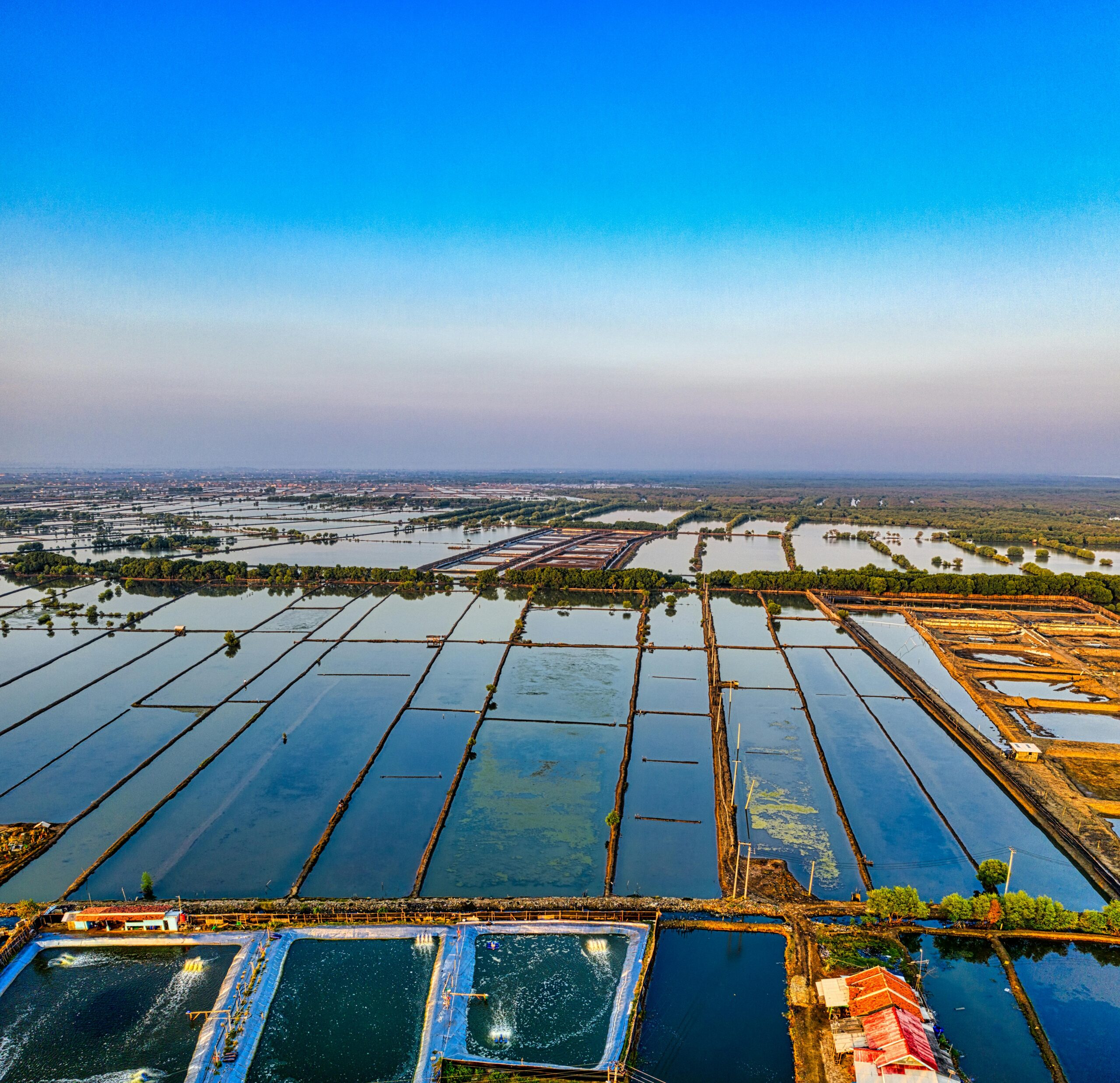
Open pond systems present greater challenges due to environmental variability, but integration still yields significant benefits. Shrimp farms in Southeast Asia using integrated models have reduced disease outbreaks by maintaining more stable water conditions aligned with feeding patterns.
Addressing Common Implementation Challenges
Organizations pursuing integration should anticipate and prepare for typical obstacles that arise during the transition period.
Data Management Complexity
The volume of data generated by integrated systems can overwhelm unprepared organizations. Establishing clear data governance policies, automated quality control procedures, and appropriate data storage solutions before full implementation prevents downstream problems.
Staff Training and Cultural Change
Technology alone cannot ensure success; people must understand and trust the integrated systems. Comprehensive training programs that explain both the technical and conceptual foundations of integration help build confidence and user adoption.
Resistance to change often stems from fear of job displacement or uncertainty about new workflows. Transparent communication about implementation goals and involving staff in system design reduces these concerns.
Future Developments and Emerging Technologies 🔮
The field of integrated resource management continues evolving rapidly as new technologies and analytical approaches emerge.
Artificial Intelligence and Machine Learning
Advanced algorithms are increasingly capable of identifying non-linear relationships between feed management practices and water quality outcomes. Deep learning networks can process image data from underwater cameras alongside traditional sensor readings, providing richer behavioral insights that improve model accuracy.
Internet of Things and Edge Computing
Distributed sensor networks with local processing capabilities enable more responsive management in large or remote operations. Edge computing reduces latency between data collection and management responses while decreasing dependence on constant connectivity.
Blockchain for Traceability
Some forward-thinking operations are exploring blockchain integration to create immutable records of feed inputs and water quality conditions. This transparency supports premium market positioning and regulatory compliance while building consumer trust.
Regulatory Considerations and Compliance Benefits
Environmental regulations governing aquaculture operations continue tightening globally. Integrated models help operations maintain compliance while supporting advocacy for science-based regulatory frameworks.
Detailed records generated by integrated systems provide evidence of responsible management practices during inspections or permit renewals. Some jurisdictions offer expedited permitting or reduced monitoring requirements for operations demonstrating advanced management capabilities.
Building the Business Case for Integration 💼
Securing organizational buy-in and investment approval requires presenting a compelling, data-driven business case that addresses stakeholder priorities.
Quantifying Risk Reduction
Beyond direct financial returns, integrated systems reduce operational risks including catastrophic losses from environmental events, regulatory penalties, and reputational damage from environmental incidents. Assigning monetary values to these risk reductions strengthens investment justifications.
Competitive Advantage and Market Positioning
As sustainability becomes central to purchasing decisions, operations demonstrating technological sophistication and environmental responsibility gain competitive advantages. Integration supports marketing narratives around innovation and stewardship that resonate with modern consumers.
Moving Forward: Creating Your Integration Roadmap
Organizations ready to pursue integration should develop structured implementation plans that align technical capabilities with operational realities and business objectives.
Begin with thorough assessments of existing infrastructure, data collection capabilities, and organizational readiness. Identify gaps between current state and integration requirements, then prioritize investments based on potential impact and feasibility.
Establish clear success metrics beyond just financial returns, including environmental performance indicators, operational stability measures, and capability development benchmarks. Regular progress reviews against these metrics ensure projects remain on track and deliver expected value.
Embracing the Integrated Future of Resource Management 🚀
The integration of feed models with water-quality models represents more than technological advancement; it embodies a fundamental shift toward holistic, systems-based resource management. Operations that successfully implement integrated approaches position themselves as industry leaders while contributing to more sustainable production practices.
As computational capabilities continue expanding and sensor technologies become more affordable, integration will transition from competitive advantage to operational necessity. Early adopters gain valuable experience navigating implementation challenges and refining approaches before integration becomes standard practice.
The journey toward integration requires commitment, investment, and patience, but the rewards—improved efficiency, reduced environmental impact, enhanced profitability, and greater operational resilience—make this transformation essential for forward-thinking resource managers.
By viewing feed management and water quality not as separate challenges but as interconnected components of a unified system, we unlock optimization opportunities impossible to achieve through siloed approaches. This integrated perspective empowers managers to maximize resource efficiency while minimizing environmental footprints, creating operations that are both economically viable and ecologically responsible.