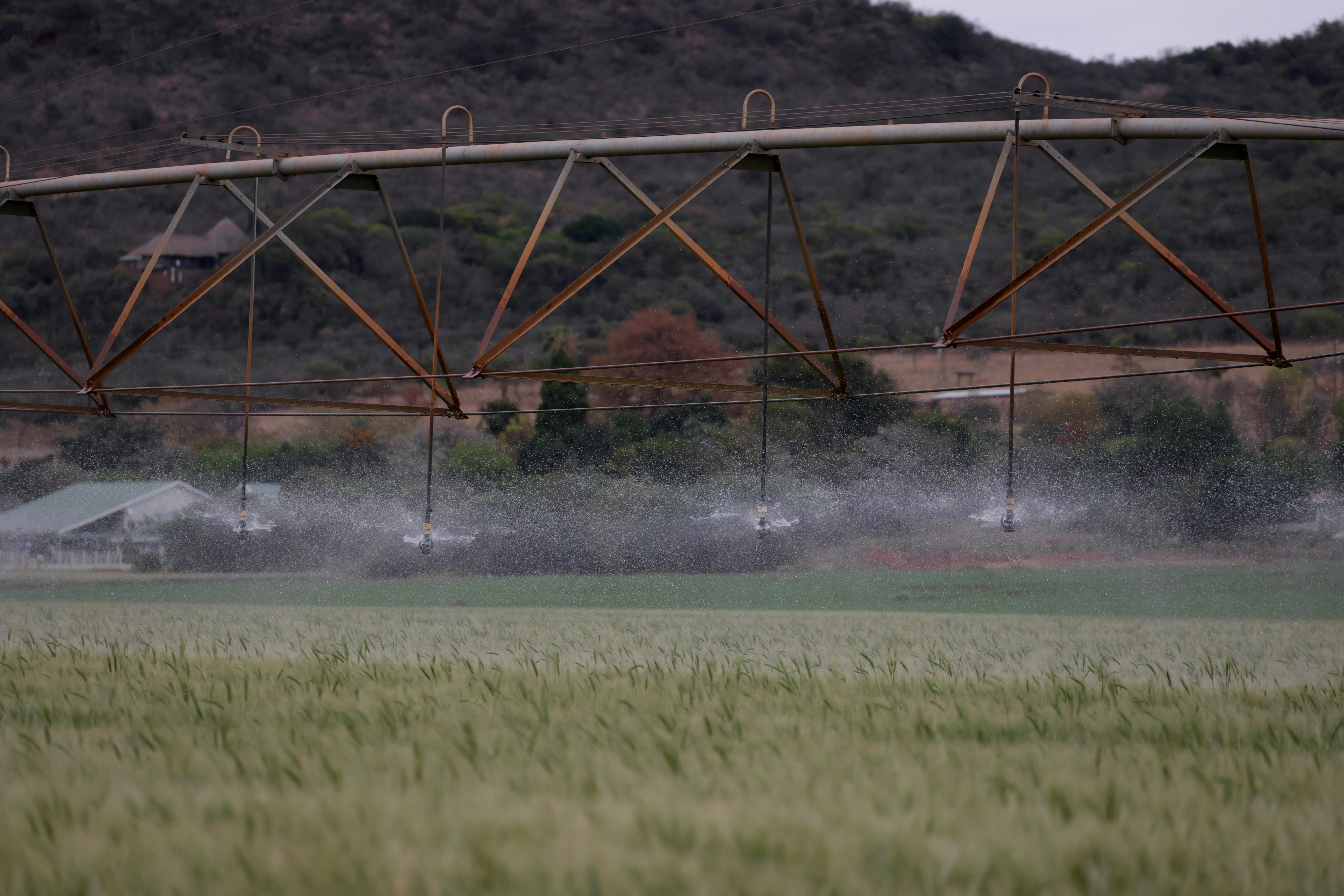
The convergence of natural ecosystems and engineered solutions represents one of humanity’s most promising frontiers for achieving sustainable, high-performance systems across industries.

🌊 Understanding the Hybrid Paradigm in Modern Systems
Hybrid natural-engineered systems combine the adaptive intelligence of biological processes with the precision and scalability of human-designed technologies. These integrated frameworks are revolutionizing how we approach water management, agriculture, energy production, and urban planning. The fundamental principle underlying these systems is synergy—where the whole becomes demonstrably greater than the sum of its parts.
Natural systems have evolved over millions of years to optimize resource utilization, adapt to changing conditions, and maintain resilience under stress. Engineered systems, conversely, offer predictability, control, and the ability to amplify specific desired outcomes. When these two approaches merge thoughtfully, they create solutions that are simultaneously efficient, sustainable, and robust.
The concept extends beyond simple biomimicry or green engineering. True hybrid systems involve active integration where natural processes inform engineering decisions in real-time, and engineered components enhance or protect natural functions. This bidirectional relationship creates feedback loops that continuously optimize performance based on both environmental conditions and human objectives.
🔬 Core Principles of Flow Optimization
Flow optimization in hybrid systems centers on managing the movement of matter, energy, and information through interconnected natural and engineered components. Understanding these flows requires a systems-thinking approach that considers multiple scales simultaneously—from molecular interactions to landscape-level processes.
Material Flow Dynamics
Material flows include water, nutrients, sediments, and organisms moving through the system. In constructed wetlands treating wastewater, for example, the engineered layout channels water through vegetation zones where natural microbial communities break down contaminants. Optimization requires balancing hydraulic retention time, surface area, and biological loading rates to maximize treatment efficiency while maintaining ecosystem health.
Key considerations for material flow optimization include:
- Residence time distribution and its impact on reaction completion
- Concentration gradients that drive natural processes
- Physical barriers and channels that guide flow pathways
- Seasonal variations affecting material transformation rates
- Feedback mechanisms that self-regulate under changing conditions
Energy Transfer and Conservation
Energy flows through hybrid systems in multiple forms—solar radiation, chemical potential energy, thermal gradients, and kinetic energy of moving fluids. Optimized systems capture, convert, and conserve energy at each transformation stage. Green roofs exemplify this principle by moderating building temperatures through evapotranspiration while reducing stormwater runoff kinetic energy.
The thermodynamic efficiency of hybrid systems often exceeds purely engineered alternatives because natural processes operate on ambient energy sources. Photosynthesis captures solar energy at the foundation of many hybrid systems, creating the chemical energy that drives subsequent biological processes without external power input.
Information Processing and Adaptive Response
Perhaps the most underappreciated flow in hybrid systems is information. Natural ecosystems constantly sense environmental conditions and adjust accordingly through genetic, physiological, and behavioral mechanisms. Integrating sensor networks and control systems with these natural adaptive capacities creates intelligent infrastructure that responds to conditions faster and more appropriately than either system could alone.
🏗️ Design Strategies for Integration Excellence
Effective hybrid system design begins with thorough understanding of both natural baseline conditions and engineering objectives. The integration strategy must account for spatial arrangement, temporal dynamics, and the specific mechanisms through which natural and engineered components interact.
Spatial Configuration and Zonation
Physical layout profoundly influences system performance. Strategic zonation creates gradients that drive processes naturally while positioning engineered elements where they provide maximum benefit. In living shorelines, for instance, engineered structures dissipate wave energy offshore, creating calmer conditions where marsh vegetation establishes and provides additional stabilization.
Optimal spatial configuration considers:
- Connectivity between system components for unimpeded beneficial flows
- Buffer zones that accommodate natural variability and protect sensitive areas
- Edge effects where natural and engineered elements meet
- Redundancy and alternative pathways that maintain function during disturbances
- Scale-appropriate matching of natural process rates to engineered capacities
Temporal Orchestration
Hybrid systems operate across multiple temporal scales simultaneously. Daily cycles of temperature and light drive photosynthesis and microbial activity. Seasonal patterns affect biomass productivity and dormancy. Multi-year trajectories involve ecosystem maturation and succession. Engineering interventions must be timed to complement rather than conflict with these natural rhythms.
Constructed treatment wetlands, for example, achieve optimal performance after an establishment period where microbial communities colonize surfaces and vegetation matures. Premature full-scale loading can compromise long-term function. Similarly, maintenance activities scheduled during dormant seasons minimize disruption to biological processes.
Interface Design and Transition Zones
The boundaries between natural and engineered components represent critical zones requiring careful design attention. These interfaces often experience the highest stress but also present opportunities for synergistic interactions. Appropriate materials selection, gradual rather than abrupt transitions, and accommodation for natural colonization all contribute to interface success.
📊 Performance Metrics and Monitoring Frameworks
Optimization requires measurement, but hybrid systems demand metrics that capture both engineering performance and ecosystem health. Traditional engineering efficiency measures must be supplemented with ecological indicators that reflect system sustainability and resilience.
| Performance Category | Engineering Metrics | Ecological Metrics |
|---|---|---|
| Treatment Efficiency | Contaminant removal rates, flow capacity | Biological diversity, trophic structure |
| Resource Utilization | Energy consumption, material input requirements | Nutrient cycling rates, biomass production |
| Reliability | Uptime percentage, failure frequency | Resilience to disturbance, recovery time |
| Longevity | Component lifespan, maintenance frequency | Succession trajectory, self-maintenance capacity |
Comprehensive monitoring programs employ both automated sensors and periodic biological surveys. Real-time data on flow rates, water quality parameters, and environmental conditions inform operational adjustments, while biodiversity assessments and functional measurements reveal longer-term trends in system health.
💧 Case Applications Across Sectors
Water Management and Treatment
Hybrid natural-engineered water systems represent mature applications with decades of performance data. Constructed wetlands integrate engineered hydrology with wetland plant communities and microbial consortia to treat municipal wastewater, agricultural runoff, and industrial effluents. Modern designs optimize hydraulic flow paths using computational fluid dynamics while selecting plant species based on contaminant uptake capabilities and climate adaptation.
Advanced configurations incorporate subsurface flow zones, floating treatment wetlands, and hybrid vertical-horizontal flow patterns that maximize treatment effectiveness across variable loading conditions. Some systems integrate photovoltaic pumping and sensor-controlled flow distribution, creating truly intelligent treatment infrastructure that adapts to influent characteristics automatically.
Urban Stormwater Management
Green infrastructure transforms urban hydrology by recreating pre-development water flow patterns through bioretention cells, permeable pavements, and urban forests. These systems infiltrate, evapotranspire, and capture stormwater rather than routing it directly to drainage systems. Optimization involves sizing components based on rainfall patterns, soil infiltration rates, and drainage area characteristics.
The most effective implementations create distributed networks rather than isolated installations. Connected green infrastructure creates redundancy and handles extreme events better than conventional systems. Performance monitoring increasingly uses IoT sensors to track soil moisture, water levels, and flow rates, enabling predictive maintenance and adaptive management.
Agricultural Production Systems
Regenerative agriculture exemplifies hybrid thinking by integrating ecological principles with modern farming technology. Cover cropping, rotational grazing, and integrated pest management enhance soil health and ecosystem services while precision agriculture technologies optimize inputs and harvest timing. The result is systems that improve productivity while building rather than depleting natural capital.
Agroforestry systems take integration further by combining trees with crops or livestock in configurations that provide multiple products while improving soil stability, water retention, and biodiversity. Optimizing these systems requires understanding complex interactions between components across multiple years as trees mature and system dynamics evolve.
🔧 Maintenance Strategies for Long-Term Success
Hybrid systems require maintenance approaches that differ from purely engineered infrastructure. Rather than preventing all change, maintenance goals include guiding system evolution toward desired conditions while preserving adaptive capacity and ecosystem functions.
Adaptive management frameworks suit hybrid systems particularly well. This approach involves setting clear objectives, implementing initial designs based on best available knowledge, monitoring outcomes rigorously, and adjusting management based on observed results. The process explicitly acknowledges uncertainty and treats management interventions as experiments that generate learning.
Preventive and Responsive Interventions
Preventive maintenance in hybrid systems includes activities like vegetation management to prevent undesired succession, sediment removal to maintain hydraulic capacity, and structural inspections of engineered components. These activities must be scheduled to minimize disruption to biological processes and ecosystem services.
Responsive interventions address problems as they arise—invasive species establishment, unexpected erosion, or component failure. Rapid response capabilities prevent minor issues from cascading into system-wide problems. Maintaining stockpiles of native plants, having equipment access designed into initial construction, and training personnel in both ecological and engineering aspects all support effective responsive management.
🌍 Scaling Challenges and Solutions
Moving hybrid systems from pilot projects to widespread implementation faces several challenges. Performance at small scales doesn’t always translate predictably to larger installations due to nonlinear relationships and emergent properties. Economic constraints often favor conventional approaches with established supply chains and contractor familiarity.
Successful scaling strategies include:
- Modular designs that replicate proven configurations rather than scaling single large units
- Standardized components that reduce design costs and construction uncertainty
- Performance guarantees based on statistical models from multiple installations
- Training programs that build regional expertise in hybrid system implementation
- Policy frameworks that value ecosystem services and lifecycle costs appropriately
🚀 Innovation Frontiers and Emerging Technologies
The hybrid systems field continues evolving rapidly as new technologies enable tighter integration and more sophisticated optimization. Machine learning algorithms now predict system behavior under various scenarios, optimize control strategies, and detect anomalies earlier than traditional monitoring approaches.
Synthetic biology creates opportunities to engineer organisms specifically for hybrid system functions—microbes optimized for particular contaminant degradation, plants with enhanced phytoremediation capabilities, or algae designed for efficient biofuel production. These advances must be pursued thoughtfully, with careful consideration of ecological safety and containment.
Advanced materials including biochar, engineered biofilms, and responsive polymers enhance system performance at key interfaces. Sensor miniaturization and cost reduction make comprehensive monitoring economically feasible even for smaller installations. Digital twin technologies create virtual models that enable testing management scenarios without risking actual system performance.
⚖️ Balancing Performance with Sustainability
Peak performance in hybrid systems cannot be defined solely by maximum output or efficiency. True optimization balances immediate functional goals with long-term sustainability, ecosystem health, and resilience to future uncertainties. This requires expanded thinking about performance metrics that include environmental, social, and economic dimensions.
Systems designed for absolute maximum efficiency often sacrifice resilience and adaptability. Biological diversity, seemingly redundant capacity, and flexible operational modes represent investments in long-term stability rather than short-term optimization. The most successful hybrid systems build in buffers and alternative pathways that maintain function across variable conditions.
Lifecycle assessment frameworks help evaluate true sustainability by accounting for all inputs and outputs from initial construction through decades of operation to eventual decommissioning. Hybrid systems frequently demonstrate superior lifecycle performance compared to conventional alternatives, even when initial costs are higher, because operational inputs are lower and beneficial ecosystem services offset maintenance costs.
🎯 Practical Implementation Roadmap
Organizations seeking to implement optimized hybrid systems should follow a structured approach beginning with clear objective definition and site assessment. Understanding existing conditions—hydrology, soils, climate, biological communities, and relevant regulations—provides the foundation for appropriate design.
Stakeholder engagement throughout the process ensures that design objectives reflect community values and that local knowledge informs implementation. Hybrid systems often provide multiple benefits, and inclusive planning processes help identify and prioritize these co-benefits from project inception.
Pilot testing at smaller scales allows refinement before full implementation, particularly for novel applications or challenging site conditions. Monitoring infrastructure should be installed during construction rather than retrofitted, and baseline data collection should begin immediately to document system evolution from establishment through maturity.
Building institutional capacity for long-term management requires training personnel, establishing maintenance protocols, and securing funding for ongoing operations. Hybrid systems that fail typically do so due to inadequate maintenance rather than design flaws, making post-construction management planning as important as initial design.

🌟 Realizing the Full Potential
Hybrid natural-engineered systems represent more than technical solutions to specific problems. They embody a fundamental shift in how humans relate to natural systems—from domination and replacement toward partnership and collaboration. This perspective acknowledges that billions of years of evolutionary optimization have created processes and patterns that human engineering can enhance but rarely improve upon entirely.
The path forward involves continuing innovation in both biological understanding and engineering capabilities while maintaining humility about the complexity we’re engaging with. Successful practitioners combine rigorous technical expertise with ecological literacy and systems thinking. They recognize that optimization is not a destination but an ongoing process of learning, adapting, and refining.
As climate change accelerates and resource constraints intensify, hybrid systems offer pathways toward sustainability that don’t require sacrificing human welfare or development aspirations. By working with rather than against natural processes, we can create infrastructure that regenerates ecosystems while serving human needs. The challenge lies not in technical feasibility—countless successful installations demonstrate that—but in scaling implementation and transforming conventional approaches that remain entrenched despite their limitations.
Mastering flow optimization in hybrid natural-engineered systems ultimately means understanding that we are not external managers of these systems but participants within them. Our engineering interventions become most effective when they amplify beneficial natural processes, remove limiting factors, and create conditions where ecological and technical components enhance each other continuously. This mastery requires interdisciplinary collaboration, long-term thinking, and willingness to learn from both successes and failures as we build the resilient, sustainable infrastructure that future generations will depend upon.