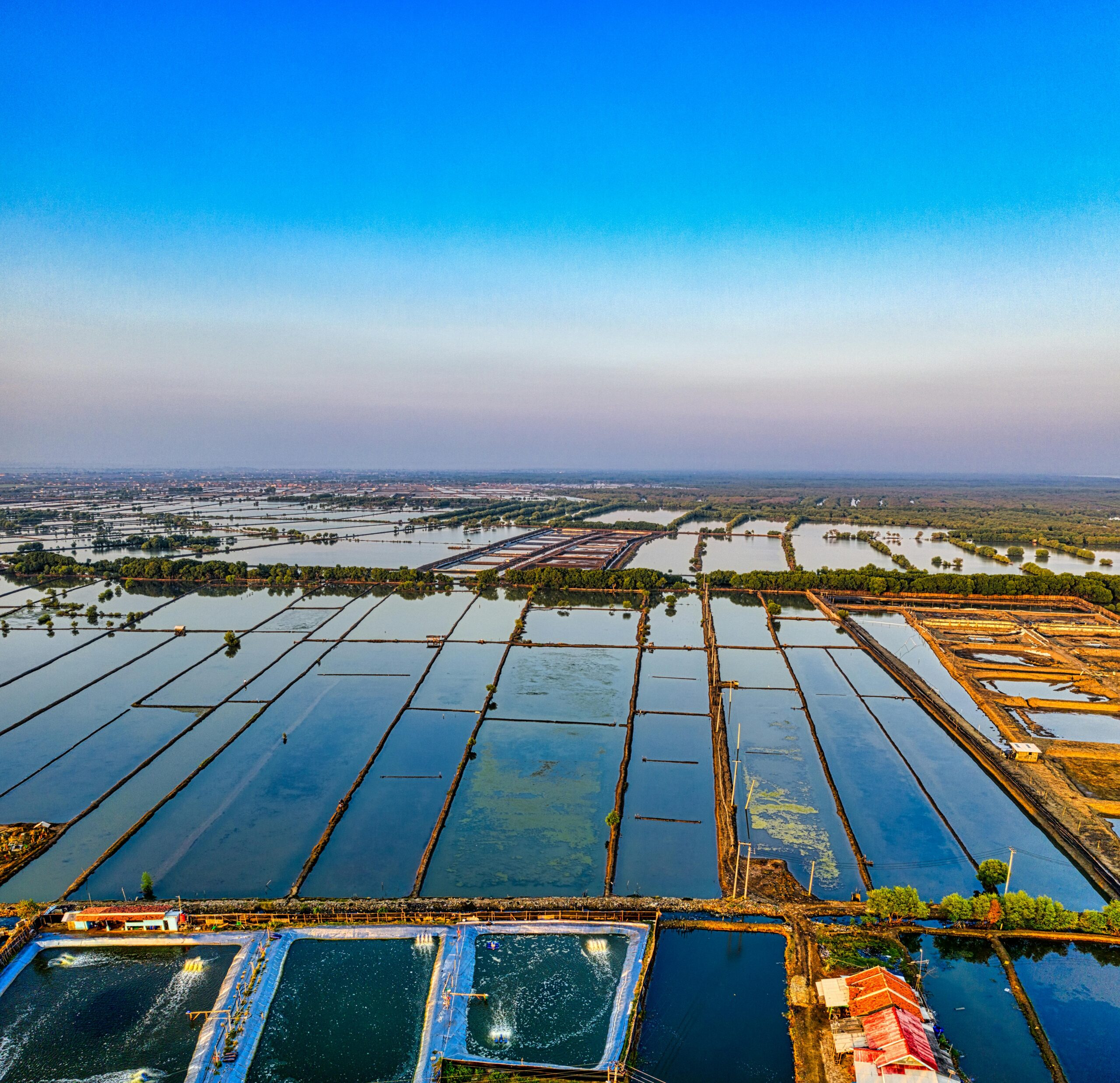
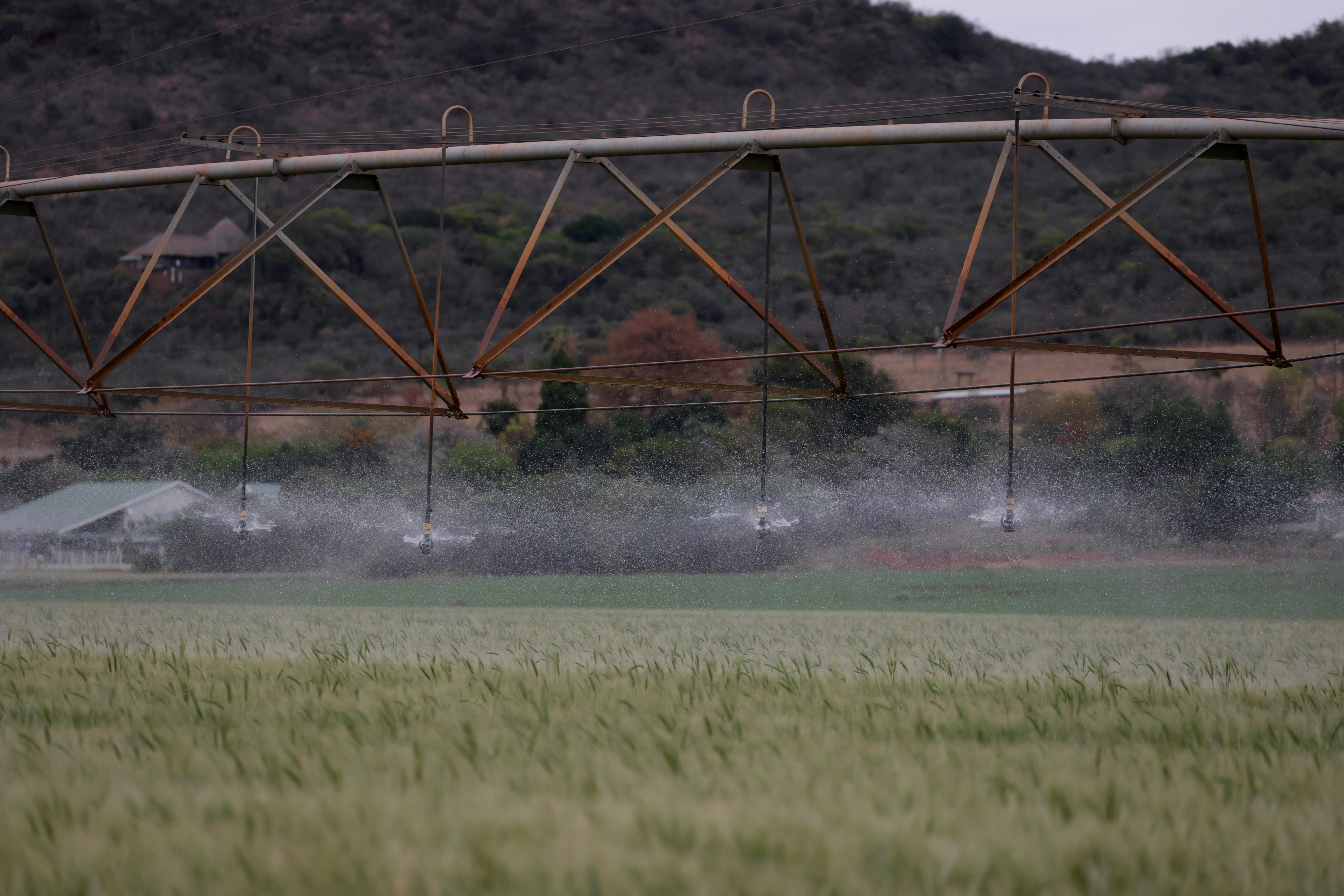
Temperature cycling is emerging as a revolutionary approach to algae cultivation, offering unprecedented control over growth rates and biomass consistency in commercial and research settings.

🌡️ Understanding the Science Behind Temperature-Driven Algae Production
Algae represent one of nature’s most adaptable organisms, capable of thriving in environments ranging from arctic waters to desert hot springs. This remarkable versatility stems from their ability to adjust metabolic processes in response to temperature fluctuations. Modern algae cultivation facilities are now leveraging this natural characteristic to optimize production through carefully designed temperature cycling protocols.
The fundamental principle behind temperature cycling involves exposing algae cultures to controlled variations in water temperature throughout their growth cycle. Unlike traditional methods that maintain constant temperatures, this dynamic approach mimics natural conditions while strategically triggering beneficial physiological responses. Research has demonstrated that specific temperature patterns can enhance photosynthetic efficiency, improve nutrient uptake, and increase overall biomass productivity.
The cellular mechanisms activated during temperature transitions are complex and fascinating. When algae experience temperature shifts within their tolerance range, they initiate stress response pathways that paradoxically strengthen cellular structures and boost metabolic efficiency. This hormetic effect—where mild stress produces beneficial outcomes—forms the foundation of temperature cycling strategies.
The Economic Imperative for Yield Stability in Algae Cultivation
Commercial algae production faces a persistent challenge: maintaining consistent yields across seasons and varying environmental conditions. Traditional cultivation methods often result in significant productivity fluctuations, with output varying by 30-50% between optimal and suboptimal periods. These inconsistencies create supply chain disruptions, complicate contract fulfillment, and undermine profitability.
Temperature cycling addresses this economic vulnerability by establishing predictable growth patterns regardless of external conditions. Facilities implementing these protocols report yield variance reductions of up to 40%, translating directly into improved revenue stability and enhanced investor confidence. The agricultural industry increasingly values reliability over peak performance, making consistency a premium commodity in algae-derived product markets.
The financial implications extend beyond simple harvest predictability. Stable yields enable more efficient workforce scheduling, reduce waste from over- or under-production, and allow for precise inventory management. Processing facilities downstream benefit enormously from consistent supply volumes, as their operations can run at optimal capacity without the costly adjustments required when dealing with variable feedstock availability.
🔬 Designing Effective Temperature Cycling Protocols
Creating a successful temperature cycling system requires understanding three critical parameters: amplitude, frequency, and timing. The amplitude refers to the temperature range between the highest and lowest points in the cycle. Most successful protocols operate within a 5-10°C range, though the optimal spread varies depending on algae species and production goals.
Frequency determines how often temperature transitions occur. Daily cycling patterns have shown particular promise, aligning with natural circadian rhythms and light-dark cycles. Some advanced systems implement multiple mini-cycles within 24-hour periods, creating more complex waveforms that target specific metabolic pathways.
Timing coordination between temperature changes and other environmental variables multiplies the benefits of cycling protocols. Synchronizing cooler temperatures with dark periods and warmer temperatures with peak light intensity maximizes photosynthetic efficiency while minimizing respiratory losses. This integrated approach transforms temperature from a passive environmental factor into an active growth optimization tool.
Species-Specific Considerations for Optimal Results
Different algae species exhibit distinct thermal preferences and stress responses, necessitating customized cycling protocols. Chlorella species, widely cultivated for nutritional supplements, respond exceptionally well to moderate cycling between 25-32°C, with optimal biomass gains observed when transitions occur gradually over 2-3 hour periods.
Spirulina cultivation benefits from slightly different parameters, with research indicating that cycles between 30-37°C enhance protein content while maintaining growth rates. The key distinction lies in the transition speed—Spirulina tolerates more rapid temperature changes than many other species, allowing for sharper cycling patterns.
Nannochloropsis, valuable for its omega-3 fatty acid content, presents unique opportunities with temperature cycling. Studies demonstrate that strategic cold-stress periods (dropping to 15-18°C) trigger lipid accumulation without significantly compromising growth rates, effectively improving the economic value of harvested biomass.
Infrastructure Requirements and Implementation Strategies 🏗️
Transitioning from constant-temperature systems to cycling protocols requires thoughtful infrastructure modifications. The good news is that most existing facilities can adapt their systems without complete overhauls. Heat exchangers represent the primary addition, enabling controlled temperature adjustments through water circulation systems.
Solar thermal integration offers an elegant solution for sustainable temperature cycling. By capturing solar energy during peak daylight hours, facilities can naturally create warming cycles that align with photosynthetic activity. Paired with radiative cooling during night hours, this approach minimizes energy inputs while maintaining precise control over temperature patterns.
Automated control systems are essential for consistent protocol execution. Modern monitoring equipment tracks temperature, pH, dissolved oxygen, and other parameters continuously, adjusting heating and cooling systems in real-time to maintain desired cycling patterns. These systems typically pay for themselves within 18-24 months through improved yields and reduced manual labor requirements.
Energy Efficiency Considerations
A common misconception about temperature cycling is that it necessarily increases energy consumption. When properly designed, these systems often reduce overall energy use compared to constant-temperature operations. The key lies in working with natural temperature fluctuations rather than fighting against them.
Facilities located in regions with significant day-night temperature variations can leverage ambient conditions to drive much of their cycling protocol. Strategic insulation management—insulating during periods requiring temperature maintenance, opening thermal pathways during periods benefiting from ambient temperature influence—dramatically reduces active heating and cooling requirements.
Waste heat recovery from other facility operations provides another energy-efficiency avenue. Many algae production facilities include processing equipment, lighting systems, and other heat-generating infrastructure. Capturing and redirecting this thermal energy into cultivation systems transforms a disposal problem into a valuable resource.
Monitoring and Adjusting Protocols for Maximum Effectiveness 📊
Successful temperature cycling requires continuous monitoring and adaptive management. No two cultivation batches behave identically, and environmental factors beyond temperature influence algae response patterns. Establishing robust monitoring systems enables operators to detect deviation from expected performance and adjust protocols accordingly.
Key performance indicators extend beyond simple biomass measurements. Chlorophyll fluorescence provides real-time insights into photosynthetic efficiency, allowing operators to assess whether temperature cycles are optimizing or stressing algae beyond beneficial ranges. Cell density measurements at multiple points throughout the growth cycle reveal how different life stages respond to cycling protocols.
Nutrient uptake efficiency serves as another critical metric. Temperature influences how effectively algae absorb nitrogen, phosphorus, and other essential nutrients. Monitoring nutrient concentrations in culture media throughout cycling periods helps optimize feeding schedules and prevent waste accumulation that can compromise water quality.
Integration with Complementary Optimization Strategies 🔄
Temperature cycling delivers maximum benefits when integrated with other cultivation optimization techniques. Light intensity modulation, synchronized with temperature cycles, creates synergistic effects that surpass the benefits of either approach alone. Increasing light intensity during warmer periods capitalizes on enhanced metabolic activity, while reducing illumination during cooler phases prevents energy waste.
Nutrient pulsing—delivering concentrated nutrient doses at strategic intervals rather than maintaining constant concentrations—complements temperature cycling exceptionally well. Timing nutrient additions to coincide with temperature-induced metabolic peaks ensures maximum uptake efficiency and minimizes unused nutrient accumulation in culture media.
pH management presents both challenges and opportunities within temperature cycling systems. Temperature changes affect dissolved CO2 concentrations, which directly influence culture pH. Rather than viewing this as a complication, advanced systems leverage these interactions, using pH fluctuations as indicators of metabolic activity and adjusting CO2 supplementation accordingly.
Overcoming Common Implementation Challenges ⚠️
The transition to temperature cycling protocols rarely proceeds without obstacles. One frequent challenge involves initial biomass reductions as cultures adapt to new growth conditions. This adjustment period typically lasts 5-7 days, during which productivity may dip 10-20% below baseline before recovering to enhanced levels.
Equipment failures pose significant risks in temperature-controlled systems. Unlike constant-temperature operations where gradual drift might go unnoticed briefly, cycling protocols depend on precise timing and execution. Implementing redundant heating and cooling systems, along with fail-safe mechanisms that revert to safe constant temperatures during malfunctions, protects valuable algae cultures from catastrophic losses.
Contamination pressures can intensify under certain cycling conditions. Temperature transitions sometimes create windows where undesirable organisms gain competitive advantages over target algae species. Maintaining rigorous sanitation protocols, carefully selecting temperature ranges that favor desired species, and monitoring for early contamination signs helps mitigate these risks.
Real-World Success Stories and Measurable Outcomes 🎯
Commercial facilities worldwide are documenting impressive results from temperature cycling implementation. A Chlorella production facility in Spain reported 35% yield stability improvement after transitioning to daily cycling protocols, with particularly dramatic improvements during traditionally challenging winter months. Their annual productivity variance decreased from 42% to just 18%, enabling them to secure long-term supply contracts previously unattainable.
Research institutions have contributed valuable data demonstrating the fundamental soundness of temperature cycling approaches. A comprehensive study tracking Spirulina production across 18 months found that cycling protocols maintained productivity within 12% of mean values, compared to 38% variation in control systems operating at constant temperatures. Equally importantly, protein content—a critical quality parameter—remained more consistent in cycled cultures.
Smaller operations also benefit from temperature cycling strategies. A university research facility growing Nannochloropsis for biofuel feedstock research discovered that implementing simple cycling protocols using passive solar heating and night-time radiative cooling doubled their usable data output by reducing inter-batch variability that previously complicated experimental comparisons.
Future Developments and Emerging Technologies 🚀
The temperature cycling field continues evolving rapidly, with exciting innovations on the horizon. Machine learning algorithms are being developed to analyze vast datasets from cycling operations, identifying subtle patterns and optimization opportunities invisible to human operators. These AI systems promise to create species-specific, facility-customized cycling protocols that adapt in real-time to changing conditions.
Advanced materials science is contributing improved heat exchange technologies that reduce energy requirements while accelerating temperature transition rates. Graphene-enhanced heat exchangers, phase-change thermal storage systems, and other innovations are transitioning from laboratory curiosity to commercial viability, promising to make temperature cycling more accessible to operations of all scales.
Integration with renewable energy systems represents another frontier. As solar and wind power become increasingly prevalent in agricultural operations, temperature cycling protocols that align energy-intensive transitions with periods of maximum renewable generation will optimize both biological and economic efficiency. Smart grid integration will enable algae facilities to serve as flexible loads, supporting grid stability while reducing operational costs.
Practical Steps for Getting Started Today 💡
Facilities interested in exploring temperature cycling needn’t commit to comprehensive system overhauls immediately. Starting with pilot-scale trials allows operators to develop expertise and gather facility-specific performance data before scaling up. Dedicating a single cultivation unit to cycling experiments while maintaining others under standard protocols provides direct comparison data while limiting risk exposure.
Begin with conservative cycling parameters—moderate temperature ranges, gradual transitions, and daily frequencies. As understanding develops and cultures adapt, protocols can be refined based on observed responses. Documenting every parameter and outcome creates valuable institutional knowledge that guides ongoing optimization efforts.
Collaboration with research institutions and industry peers accelerates learning curves. Many universities actively seek commercial partners for algae cultivation research, offering technical expertise and analytical capabilities that complement commercial production experience. Industry associations increasingly facilitate knowledge sharing around optimization techniques like temperature cycling.
Environmental Benefits Beyond Production Stability 🌍
Temperature cycling’s advantages extend beyond immediate production metrics to broader environmental benefits. By improving yield stability, these protocols reduce the land and water footprint required to meet specific production targets. More consistent growth means fewer resources wasted on maintaining backup capacity for low-productivity periods.
The energy efficiency gains achievable through properly designed cycling systems contribute to reduced carbon footprints for algae-derived products. As these materials increasingly substitute for conventional alternatives in nutrition, energy, and materials applications, minimizing the environmental cost of production becomes paramount for maintaining sustainability credentials.
Water conservation represents another significant benefit. More stable, predictable growth reduces the need for precautionary over-cultivation and subsequent waste disposal. Improved nutrient uptake efficiency means less nutrient-rich water requiring treatment before release, reducing both environmental impacts and operational costs.

The Path Forward for Sustainable Algae Production 🌱
Temperature cycling represents more than an incremental improvement in algae cultivation—it exemplifies the paradigm shift toward working with biological systems rather than imposing rigid artificial conditions upon them. By acknowledging and leveraging organisms’ natural adaptability, producers achieve superior results while reducing resource inputs.
The technology’s accessibility makes it particularly valuable for democratizing algae production. Unlike some optimization approaches requiring expensive specialized equipment or extensive technical expertise, basic temperature cycling can be implemented at modest cost using readily available components. This accessibility enables smaller producers and developing-region facilities to achieve yield stability previously available only to well-capitalized operations.
As climate variability intensifies, cultivation strategies that enhance resilience and stability become increasingly valuable. Temperature cycling prepares both facilities and algae strains for uncertain futures, building adaptive capacity that will prove essential as environmental conditions continue shifting. Operations implementing these protocols today position themselves advantageously for tomorrow’s challenges.
The journey toward maximizing algae yield stability through temperature cycling combines scientific understanding, practical engineering, and adaptive management. Facilities embracing this approach join a growing community pushing the boundaries of sustainable production, demonstrating that biological systems, when properly understood and respected, can deliver both economic and environmental value. The consistent growth enabled by temperature cycling transforms algae cultivation from an unpredictable venture into a reliable, sustainable solution for meeting growing demand for algae-derived products across multiple industries.