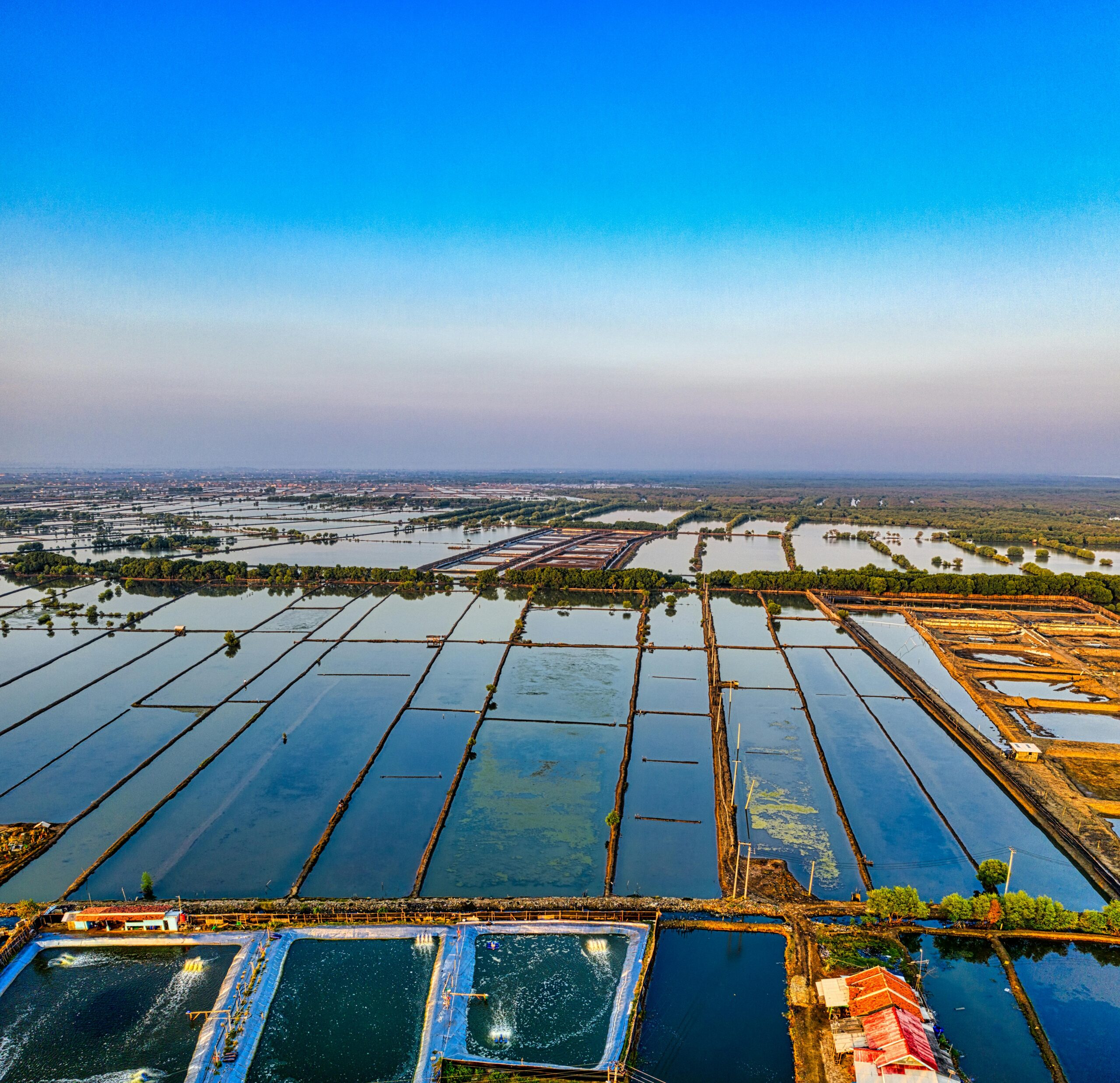
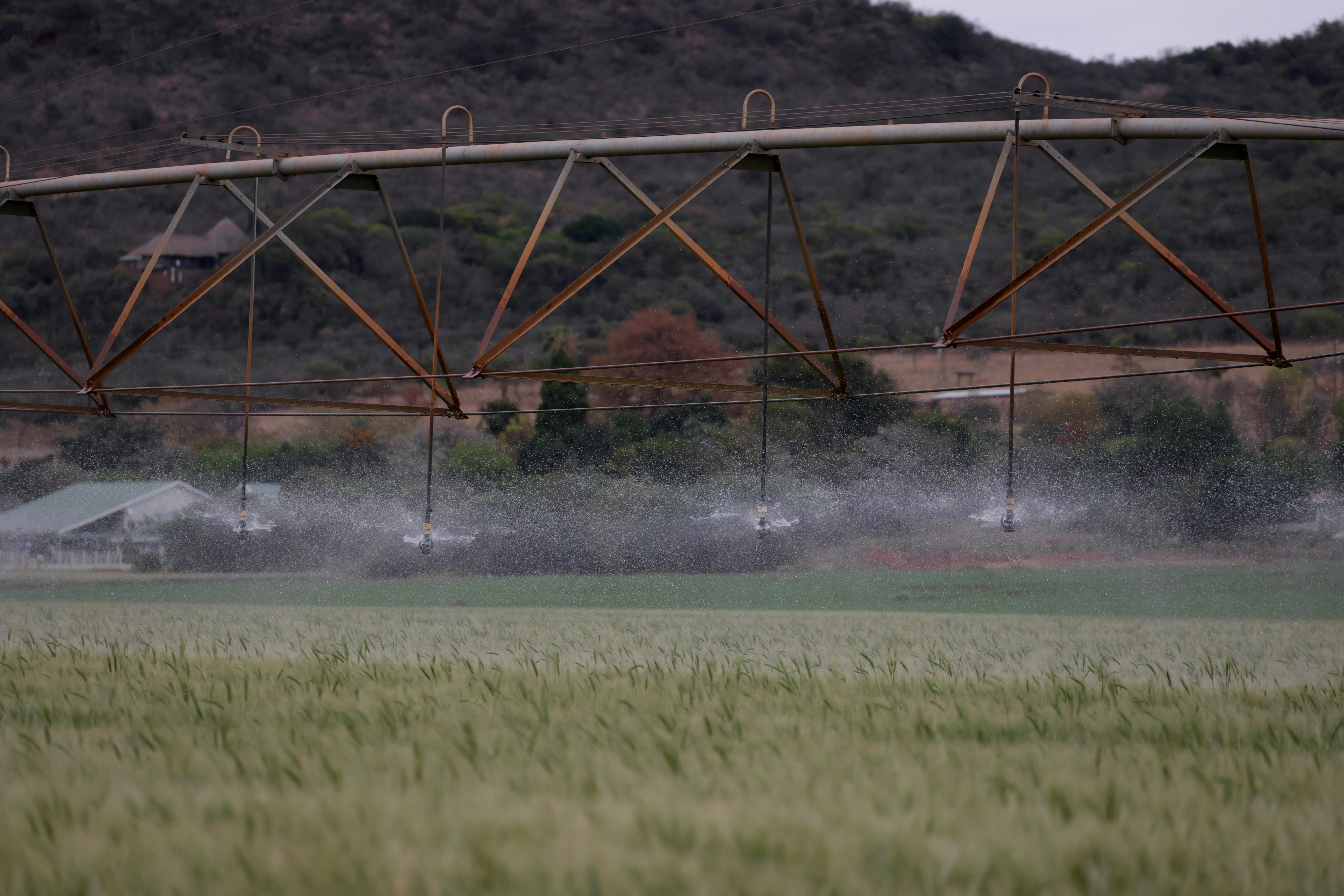
Dense algae cultures hold immense potential for biotechnology, aquaculture, and sustainable production, but maintaining their vitality requires understanding and preventing catastrophic collapse cycles.

🌊 Understanding the Hidden Threat in Your Algae Production System
Algae cultivation represents one of the most promising frontiers in sustainable agriculture and biotechnology. From biofuel production to nutritional supplements, these microscopic powerhouses deliver exceptional value when maintained properly. However, even experienced cultivators face a persistent challenge: the sudden, devastating collapse of thriving algae cultures.
Culture collapse doesn’t announce itself with fanfare. One day your bioreactor displays vibrant green density, optimal cell counts, and healthy growth rates. Within 48 hours, everything crashes. The water clears, biomass plummets, and months of careful cultivation vanish. This phenomenon, known as a collapse cycle, costs the industry millions annually and frustrates researchers and commercial producers alike.
The key to maintaining dense, productive algae cultures lies not in reactive damage control but in proactive prevention strategies. By understanding the biological, chemical, and physical factors that trigger collapse cycles, cultivators can implement comprehensive solutions that keep cultures thriving indefinitely.
🔬 Decoding the Collapse Cycle: What Actually Happens
Before implementing prevention strategies, we must understand the cascade of events that constitute a collapse cycle. These failures rarely result from a single cause but rather from interconnected factors that create a perfect storm of culture degradation.
The Biology Behind Sudden Culture Failure
Dense algae cultures exist in a delicate equilibrium. At high cell densities, algae populations consume nutrients rapidly, modify their chemical environment significantly, and create conditions that can quickly shift from optimal to lethal. When one parameter falls out of balance, it triggers a domino effect.
Viral and bacterial contamination represent primary biological threats. Algal viruses can remain dormant in cultures for extended periods before explosive replication decimates populations within hours. Similarly, certain bacterial species proliferate when algae cultures become stressed, competing for nutrients and releasing toxic metabolites.
Predation pressure from protozoa and rotifers often goes unnoticed until populations reach critical mass. These organisms can double every few hours under favorable conditions, consuming algae faster than the culture can reproduce.
Chemical Imbalances That Trigger Catastrophe
Dense cultures dramatically alter their chemical environment. Photosynthesis depletes carbon dioxide and raises pH levels, sometimes exceeding values that algae can tolerate. Simultaneously, cellular respiration and decomposition of dead cells consume oxygen and acidify the medium during dark periods.
Nutrient depletion creates vulnerability. When nitrogen, phosphorus, or essential micronutrients become limiting, cells weaken and become susceptible to pathogens. Ironically, excess nutrients can prove equally problematic, causing osmotic stress or precipitating essential elements into unavailable forms.
Self-shading in dense cultures creates chemical gradients. Surface cells receive intense light while bottom layers exist in near darkness, creating metabolically distinct populations within the same vessel. This heterogeneity destabilizes culture dynamics.
💡 Prevention Strategy One: Optimizing Environmental Parameters
Maintaining stable environmental conditions forms the foundation of collapse prevention. Consistency matters more than perfection—algae adapt to specific conditions but struggle with rapid fluctuations.
Light Management for Dense Culture Stability
Light represents both the lifeblood and potential killer of dense algae cultures. Excessive light intensity causes photoinhibition, generating reactive oxygen species that damage cellular machinery. Insufficient light starves cells and triggers stress responses.
For dense cultures, optimal light strategies include:
- Implementing light-dark cycles that mirror natural conditions or optimize metabolic rhythms
- Using diffused or indirect lighting to prevent hotspots and ensure even distribution
- Adjusting light intensity proportional to culture density—denser cultures require more total photons
- Considering wavelength optimization, as different algal species respond preferentially to specific light spectra
- Installing monitoring systems that track photosynthetically active radiation at multiple depths
Advanced cultivators employ dynamic light systems that adjust automatically based on real-time density measurements, maintaining optimal photon delivery per cell regardless of population fluctuations.
Temperature Control as Collapse Insurance
Temperature affects every biochemical process in algae cells. Most species tolerate a range of approximately 10°C, but optimal growth occurs within a narrower window of 2-3°C.
Temperature instability weakens cultures gradually before collapse becomes apparent. Daily fluctuations exceeding 5°C stress cells, reduce growth rates, and increase susceptibility to pathogens. Seasonal temperature swings present particular challenges for outdoor or greenhouse cultivation systems.
Effective temperature management requires insulation, heating and cooling capacity, and monitoring systems that alert cultivators to deviations before damage occurs. For commercial operations, the investment in climate control pays dividends through reduced collapse frequency and improved productivity.
🧪 Prevention Strategy Two: Nutrient Management Protocols
Nutrient availability directly influences culture health and collapse resistance. Unlike dilute cultures that maintain relatively stable chemistry, dense cultures consume nutrients rapidly and require sophisticated management approaches.
Implementing Continuous Feeding Strategies
Batch feeding—adding all nutrients at once—creates boom-bust cycles that destabilize dense cultures. Initially, excess nutrients may inhibit growth or precipitate. As cells consume nutrients, concentrations decline until limitation occurs, weakening the culture before the next feeding.
Continuous or semi-continuous nutrient delivery maintains stable concentrations that support consistent growth without deficiency or toxicity. Automated dosing systems can deliver nutrients based on real-time measurements of cell density, pH, or dissolved oxygen.
The nitrogen-to-phosphorus ratio deserves particular attention. Most algae require approximately 7:1 to 10:1 nitrogen to phosphorus by atoms. Deviations from this ratio limit growth or promote contaminating organisms adapted to different ratios.
Micronutrient Vigilance
While macronutrients receive most attention, micronutrient deficiencies frequently trigger collapses. Iron, manganese, zinc, copper, molybdenum, and vitamins function as enzymatic cofactors essential for metabolism. Dense cultures deplete these rapidly, and deficiency symptoms appear suddenly.
Chelated micronutrient formulations maintain availability across pH ranges and prevent precipitation. Regular supplementation based on culture age and density prevents the gradual depletion that weakens cultures before collapse.
🛡️ Prevention Strategy Three: Contamination Control Systems
Biological contamination represents the most common immediate cause of culture collapse. While perfect sterility proves impossible in most production systems, contamination management significantly reduces collapse risk.
Multi-Barrier Contamination Prevention
Effective contamination control employs multiple defensive layers rather than relying on single interventions. This redundancy ensures that if one barrier fails, others maintain protection.
Air filtration prevents airborne contamination introduction. HEPA filters on air supplies remove bacteria, fungal spores, and larger viral particles. For critical applications, ultraviolet sterilization of air provides additional security.
Water treatment eliminates contamination from makeup water and washing operations. Reverse osmosis, UV sterilization, or autoclaving ensures that water additions don’t introduce pathogens. Even municipal water supplies harbor organisms that can devastate algae cultures.
Equipment hygiene protocols prevent cross-contamination between cultures and from environmental sources. Dedicated tools for each culture, regular sanitization with appropriate disinfectants, and strict handwashing protocols significantly reduce contamination incidents.
Early Detection and Rapid Response
Even with excellent prevention, contamination occasionally occurs. Early detection allows intervention before total collapse. Daily microscopic examination reveals contaminating organisms before they reach destructive densities.
Automated monitoring systems track parameters that indicate contamination: unusual pH changes, unexpected oxygen consumption patterns, or spectral signatures inconsistent with pure algae cultures. Machine learning algorithms can detect subtle patterns indicating contamination days before visual symptoms appear.
📊 Prevention Strategy Four: Culture Management Best Practices
Operational procedures dramatically influence collapse frequency. Systematic approaches to culture management create stability and predictability that dense cultures require.
Dilution and Harvesting Schedules
Dense cultures cannot grow indefinitely without intervention. Regular harvesting or dilution maintains cultures in exponential growth phase, where cells remain healthy and robust. Allowing cultures to reach stationary phase increases vulnerability to collapse.
Optimal harvesting frequency depends on growth rate and target density. Fast-growing species in ideal conditions may require daily harvesting, while slower species tolerate longer intervals. The key principle involves maintaining consistent culture age and preventing prolonged nutrient limitation.
Partial harvesting proves superior to complete harvest-and-restart cycles. Maintaining a portion of active culture provides inoculum for rapid regrowth while preserving adapted populations and stable microbial ecosystems.
Record Keeping and Data Analysis
Systematic documentation transforms anecdotal observations into actionable insights. Recording daily measurements of density, pH, temperature, nutrient levels, and visual observations creates datasets that reveal patterns preceding collapse.
Many cultivators notice only in retrospect that subtle changes appeared days before obvious collapse symptoms. Detailed records enable predictive management, allowing interventions before problems escalate.
Modern cultivation increasingly relies on sensor networks and data logging systems that automatically record parameters and generate alerts when values exceed predetermined ranges. This technological approach catches problems that human observation might miss.
🔄 Prevention Strategy Five: Building Resilient Culture Systems
System design profoundly influences collapse resistance. Thoughtful infrastructure creates environments where cultures naturally remain stable rather than requiring constant intervention to prevent failure.
Bioreactor Design Considerations
Mixing patterns affect culture homogeneity and collapse risk. Inadequate mixing creates gradients in light, nutrients, pH, and oxygen that stress cells and create niches for contaminants. Excessive mixing damages fragile species through shear stress.
Proper mixing systems ensure that every cell experiences similar average conditions while avoiding damaging turbulence. Airlift systems, paddle wheels, and gentle recirculation pumps each offer advantages for specific applications and species.
Surface-to-volume ratios influence gas exchange, light penetration, and temperature stability. Shallow raceway ponds provide excellent light distribution but challenge temperature control. Tubular photobioreactors maximize volumetric productivity but require sophisticated design to prevent pH and oxygen accumulation.
Redundancy and Backup Systems
Equipment failures cause collapses even when biological and chemical parameters remain optimal. Power outages halt mixing and aeration, creating lethal conditions within hours. Pump failures stop nutrient delivery or allow settling that suffocates bottom layers.
Critical systems require backup power supplies, redundant equipment, and alarm systems that alert operators to failures immediately. The cost of redundancy pales compared to losing valuable cultures to preventable equipment failures.
🌱 Advanced Prevention: Microbiome Management
Recent research reveals that algae cultures aren’t monocultures but complex microbiomes where bacteria, fungi, and other microorganisms interact with algae in beneficial, neutral, or antagonistic relationships.
Beneficial bacteria produce growth-promoting compounds, sequester toxic metabolites, and compete with pathogens for resources. Cultivating these beneficial partnerships, rather than pursuing sterility, may represent the future of collapse prevention.
Specific bacterial consortia demonstrate protective effects against common algal pathogens. Deliberately inoculating cultures with these beneficial organisms creates biological barriers against collapse while potentially improving growth rates and nutrient utilization.
This probiotic approach to algae cultivation requires careful characterization of microbial communities and understanding which organisms provide benefits versus risks. Metagenomic analysis tools increasingly enable cultivators to monitor and manage culture microbiomes systematically.
📈 Monitoring Technologies That Enable Prevention
Prevention depends on awareness. Modern sensor technologies provide unprecedented visibility into culture status, enabling proactive management that prevents problems before they escalate.
Optical density sensors track culture growth continuously, revealing unexpected changes that indicate emerging problems. Fluorescence measurements distinguish between healthy photosynthetically active cells and stressed or dead biomass.
pH and dissolved oxygen sensors provide real-time chemical monitoring. Sudden changes often precede visible culture problems by hours or days, allowing early intervention.
Automated microscopy systems image cultures regularly, applying computer vision algorithms to detect contaminating organisms, abnormal cell morphology, or predator populations before they reach destructive levels.
💪 Building Your Collapse Prevention Program
Implementing comprehensive collapse prevention requires systematic integration of multiple strategies rather than relying on any single intervention. The most successful programs combine environmental control, nutrient management, contamination prevention, operational excellence, and modern monitoring technologies.
Start by establishing baseline data for your specific system and species. Document normal parameters and growth patterns so deviations become immediately obvious. Implement monitoring systems that match your scale and resources—even simple daily measurements dramatically improve culture stability compared to casual observation.
Develop standard operating procedures for routine operations: feeding schedules, harvesting protocols, cleaning procedures, and contamination response plans. Train all personnel thoroughly so consistency remains high regardless of who performs tasks.
Invest in environmental control and backup systems appropriate to your culture value. High-value pharmaceutical or research cultures justify sophisticated automation and redundancy, while lower-value applications may rely on simpler but well-executed manual protocols.
Continuously improve through systematic analysis of problems when they occur. Every collapse, near-miss, or productivity decline offers lessons that strengthen future prevention efforts. Organizations that learn from experience and adapt systematically achieve remarkable culture stability over time.
🎯 The Economic Case for Prevention Investment
Prevention strategies require upfront investment in equipment, monitoring systems, and operational sophistication. Skeptics question whether these costs justify the benefits, especially for smaller operations.
The economic analysis overwhelmingly favors prevention. Culture collapse costs include direct biomass loss, restart time requiring weeks for recovery, contaminated equipment requiring extensive cleaning, and opportunity costs from missed production targets. A single major collapse can cost thousands to millions depending on scale.
Prevention investments typically pay for themselves within months through reduced collapse frequency, higher average productivity, more predictable output supporting reliable customer relationships, and reduced labor spent managing crises. The peace of mind from stable, thriving cultures represents an often-overlooked benefit that improves working conditions and employee satisfaction.

🚀 Future Directions in Collapse Prevention Technology
Algae cultivation technology continues advancing rapidly. Artificial intelligence systems increasingly predict collapse risk by analyzing complex patterns across multiple parameters that exceed human pattern recognition capabilities.
Genetic engineering develops algae strains with enhanced stress tolerance, pathogen resistance, and stable growth characteristics. While concerns about genetically modified organisms limit some applications, research and contained production increasingly employ these improved strains.
Nanotechnology offers novel approaches to contamination control, nutrient delivery, and environmental sensing. Nanoparticle-based antimicrobials selectively target pathogens while leaving algae unharmed. Nano-sensors detect contaminants at extremely low concentrations, enabling earlier intervention.
The integration of these advancing technologies with established prevention principles promises increasingly reliable algae cultivation capable of supporting large-scale industrial applications where consistency matters as much as productivity.
Maintaining dense algae cultures requires vigilance, systematic management, and comprehensive prevention strategies addressing biological, chemical, physical, and operational factors. The cultivators who embrace prevention as core philosophy rather than viewing it as optional overhead consistently achieve superior results, transforming algae cultivation from unpredictable art into reliable science. By implementing the strategies outlined here and continuously refining approaches based on experience, anyone can keep dense algae cultures thriving and unlock the remarkable potential these organisms offer for sustainable production across countless applications.