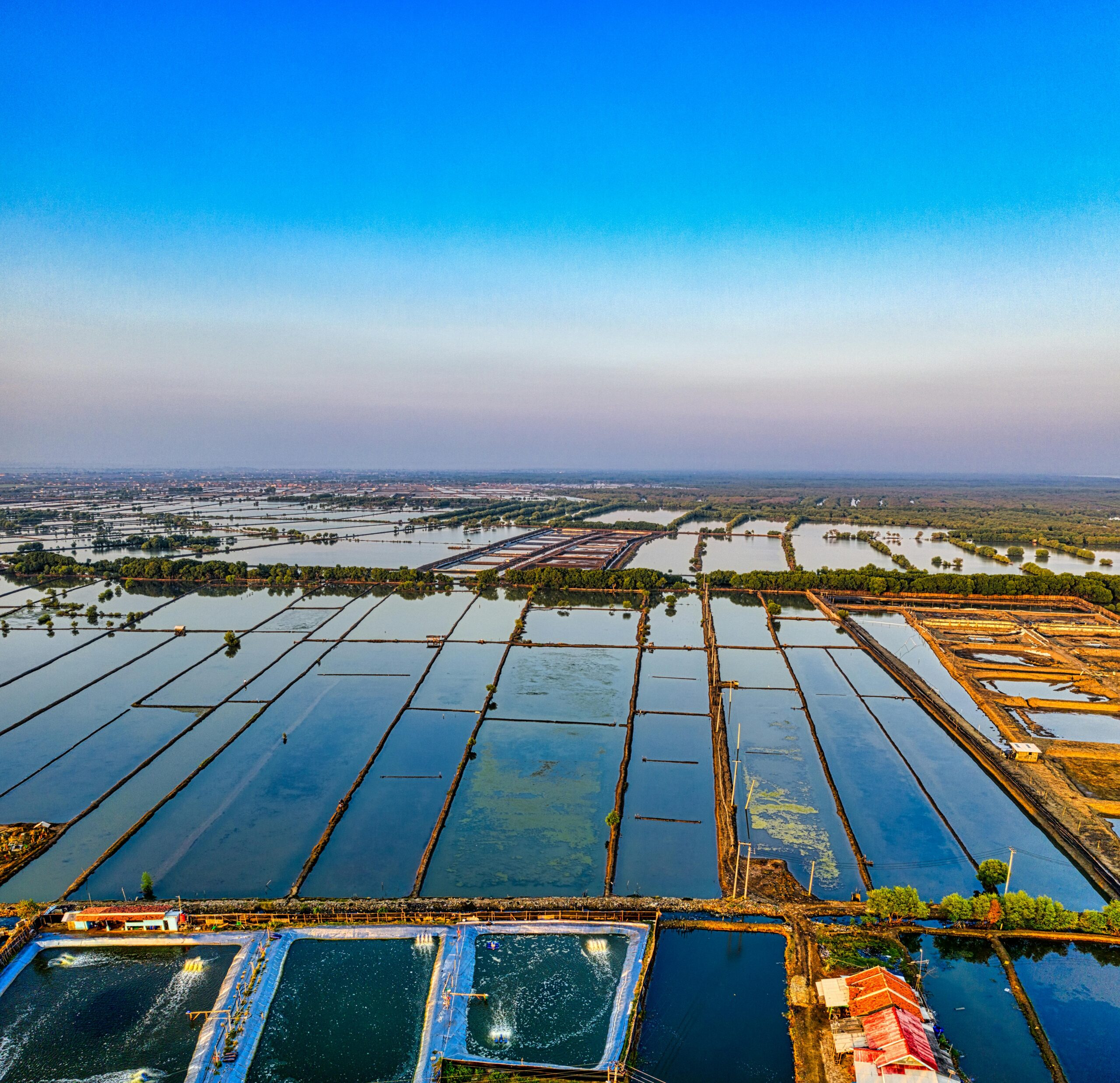
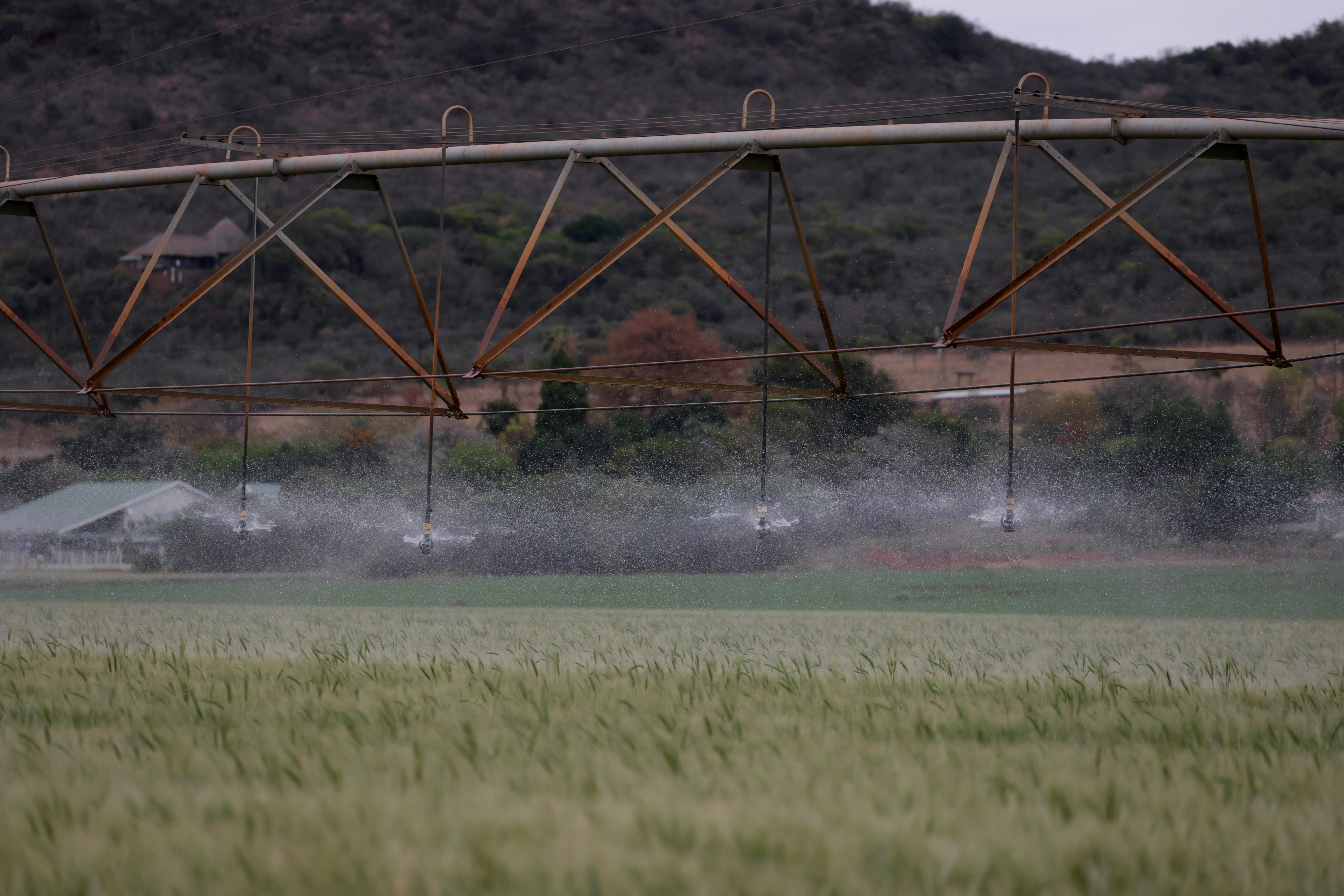
Algae are emerging as nature’s powerhouse for addressing environmental challenges, offering renewable solutions that span biofuels, carbon capture, wastewater treatment, and nutritional supplements. 🌿

The microscopic organisms that have sustained Earth’s ecosystems for billions of years are now at the forefront of sustainable innovation. As industries worldwide grapple with climate change, resource depletion, and pollution, algae cultivation presents a scalable, efficient alternative to traditional processes. But success in algae-based applications doesn’t happen by chance—it requires meticulous cycle optimization, smart technology integration, and collaborative research efforts.
This article explores real-world success stories where cycle optimization has transformed algae cultivation from experimental projects into viable commercial operations. From enhancing productivity rates to reducing operational costs, these examples demonstrate how fine-tuning growth cycles, harvest schedules, and processing methods can unlock algae’s full potential for sustainable solutions.
🔬 Understanding Algae Growth Cycles: The Foundation of Optimization
Before diving into success stories, it’s essential to understand what cycle optimization means in algae cultivation. Algae growth follows distinct phases: lag phase, exponential growth, stationary phase, and death phase. Each stage presents unique opportunities and challenges for optimization.
During the exponential growth phase, algae cells divide rapidly, doubling their biomass in hours or days depending on species and conditions. This is the golden window for maximizing productivity. However, maintaining optimal conditions—light intensity, nutrient availability, temperature, and pH levels—requires sophisticated monitoring and adjustment systems.
Cycle optimization focuses on extending the exponential phase while preventing culture crashes, maximizing lipid or protein content depending on end-use, and timing harvests for peak biomass or compound concentration. The most successful operations have mastered this delicate balance through data-driven approaches and continuous improvement methodologies.
💡 Algenol’s Breakthrough in Ethanol Production
One of the most compelling success stories in algae cycle optimization comes from Algenol, a Florida-based company that developed a revolutionary direct-to-ethanol technology. Unlike traditional biofuel approaches that require harvesting and processing algae biomass, Algenol’s system allows algae to produce and secrete ethanol directly into the culture medium.
The key innovation was optimizing the photosynthetic cycle to channel carbon fixation toward ethanol production rather than biomass accumulation. By carefully controlling light exposure patterns, nutrient delivery timing, and CO2 concentration, Algenol achieved ethanol productivity rates exceeding 9,000 gallons per acre annually—significantly higher than corn ethanol yields.
Their cycle optimization strategy included:
- Implementing 24-hour monitoring systems that adjust environmental parameters in real-time
- Developing proprietary algae strains with enhanced ethanol production pathways
- Creating modular photobioreactor designs that maintain consistent conditions across large-scale operations
- Establishing automated harvesting protocols that extract ethanol without disrupting culture viability
This approach demonstrated that with proper cycle management, algae can function as continuous production facilities rather than batch cultivation systems, fundamentally changing the economics of biofuel production.
🌊 Wastewater Treatment: Israel’s Seambiotic Success
Seambiotic, an Israeli company, has pioneered the dual-purpose use of algae for wastewater treatment and biomass production. Their success stems from optimizing growth cycles to match the variable conditions of industrial wastewater streams, particularly from power plants and aquaculture facilities.
The challenge was significant: wastewater composition fluctuates daily, affecting nutrient availability and introducing potential toxins. Traditional algae cultivation requires stable conditions, making wastewater integration seemingly incompatible with high productivity.
Seambiotic’s breakthrough came through adaptive cycle optimization. They developed systems that:
- Monitor incoming wastewater quality continuously and adjust retention times accordingly
- Utilize mixed algae consortia rather than monocultures, providing resilience against variable conditions
- Synchronize harvest cycles with nutrient loading patterns to maximize pollutant removal
- Integrate thermal regulation using waste heat from adjacent power generation facilities
The results have been impressive. Seambiotic’s operations achieve over 90% nitrogen and phosphorus removal from wastewater while producing biomass suitable for animal feed and biofuel feedstock. By 2023, their optimized systems were processing millions of liters of wastewater annually while generating revenue from biomass sales—a true circular economy success story.
🍃 Cyanotech’s Premium Spirulina and Astaxanthin Production
Hawaii-based Cyanotech Corporation has spent decades perfecting cycle optimization for high-value nutraceutical production. Their flagship products—spirulina and natural astaxanthin—require precise cultivation conditions to achieve pharmaceutical-grade purity and potency.
Cyanotech’s optimization success centers on understanding the relationship between stress conditions and compound accumulation. Astaxanthin, a powerful antioxidant, accumulates in Haematococcus pluvialis algae primarily when the organisms experience controlled stress—typically nutrient limitation combined with intense light exposure.
Their two-phase cultivation approach exemplifies sophisticated cycle optimization:
Phase 1 – Biomass Accumulation: Optimal nutrients, moderate lighting, and careful temperature control promote rapid cell division and population growth. This phase typically lasts 5-7 days with continuous monitoring of cell density.
Phase 2 – Astaxanthin Induction: Nutrient stress (particularly nitrogen limitation) combined with increased light intensity triggers astaxanthin production. This phase extends 7-14 days, with harvest timing critical to maximizing astaxanthin concentration without excessive cell mortality.
Cyanotech implemented sophisticated data analytics to determine optimal transition timing between phases. Their systems track dozens of parameters including spectral light composition, dissolved oxygen levels, and real-time pigment analysis. This precision has enabled them to achieve astaxanthin concentrations exceeding 3% of dry weight—among the highest in the industry.
⚡ Carbon Capture Innovation: LanzaTech’s Algae Integration
While LanzaTech is primarily known for gas fermentation technology, their recent algae integration project demonstrates innovative cycle optimization for carbon capture applications. Partnering with steel manufacturing facilities, they developed systems where algae cultivation utilizes CO2-rich exhaust gases as the primary carbon source.
The optimization challenge was matching algae uptake capacity with variable industrial emission rates. Steel production doesn’t generate steady CO2 streams—output fluctuates with production schedules, creating feast-or-famine conditions for algae cultures.
The solution involved buffer systems and growth cycle modulation:
- Multiple cultivation stages operating on staggered schedules to distribute CO2 demand
- CO2 dissolution and storage systems that moderate concentration spikes
- Fast-growing algae strains capable of rapid metabolic adjustment
- Automated biomass removal that maintains cultures in exponential phase regardless of carbon availability fluctuations
This optimized approach achieved carbon capture rates exceeding 80% while producing biomass with applications in plastics manufacturing and animal nutrition. The economic viability improved dramatically when cycle optimization reduced the need for supplemental CO2 during low-emission periods.
📊 Data-Driven Optimization: The Role of Technology
A common thread among all these success stories is sophisticated data collection and analysis. Modern algae cultivation has evolved from art to science, with sensor networks, machine learning algorithms, and automation systems enabling unprecedented optimization precision.
Leading facilities now deploy:
| Technology | Application | Optimization Impact |
|---|---|---|
| Spectrophotometry sensors | Real-time biomass density monitoring | Precise harvest timing, preventing culture crashes |
| pH and dissolved oxygen probes | Metabolic activity tracking | Early contamination detection, growth phase identification |
| Automated nutrient dosing | Dynamic feeding strategies | Minimized waste, maximized growth rates |
| LED lighting systems | Spectral composition control | Enhanced photosynthetic efficiency, targeted compound production |
| Machine learning platforms | Predictive modeling | Anticipatory adjustments, continuous improvement |
These technologies generate massive datasets that feed optimization algorithms. Machine learning models identify patterns invisible to human operators, suggesting parameter adjustments that incrementally improve productivity, quality, or cost-efficiency.
🌍 Scaling Success: From Laboratory to Commercial Production
Perhaps the most challenging aspect of cycle optimization is maintaining performance during scale-up. Conditions that work perfectly in 10-liter photobioreactors often fail in 10,000-liter systems due to light penetration limitations, mixing inefficiencies, and temperature gradients.
Sapphire Energy’s experience illustrates both the challenges and solutions. Their New Mexico facility, designed to produce algae-based crude oil at commercial scale, initially struggled with productivity inconsistencies across large open ponds. Optimization at small scale hadn’t accounted for the heterogeneity of outdoor conditions.
Their solution involved:
- Dividing large ponds into smaller, independently controlled zones
- Implementing paddle wheel positioning that ensured consistent mixing throughout
- Developing weather prediction models that proactively adjusted operations before environmental changes
- Creating algae strain libraries with variants optimized for different seasonal conditions
This modular approach to cycle optimization allowed them to maintain productivity within 15% variation year-round—a remarkable achievement for outdoor cultivation in desert environments where temperature swings can exceed 40°C daily.
💰 Economic Viability Through Optimization
The ultimate measure of success in algae cultivation is economic sustainability. Cycle optimization directly impacts profitability through multiple pathways: increased productivity per unit area, reduced input costs, improved product quality commanding premium prices, and decreased downtime from culture failures.
Qualitas Health, a Texas-based omega-3 producer, provides a compelling case study. Their initial operations produced algae-based EPA omega-3 at costs exceeding $100 per kilogram—uncompetitive with fish oil alternatives. Through systematic cycle optimization over five years, they reduced production costs by over 60%.
Key optimization initiatives included:
- Reducing harvest cycle time from 14 to 9 days through improved light utilization
- Implementing predictive maintenance that decreased equipment downtime by 40%
- Optimizing extraction processes to increase EPA recovery from 75% to 92%
- Developing closed-loop water recycling that reduced freshwater consumption by 85%
These improvements transformed their operation from marginal viability to profitable production, enabling expansion and establishing algae-based omega-3 as a genuine alternative to fish-derived products.
🔄 Circular Economy Integration: Closing the Loop
The most sophisticated algae operations now integrate cycle optimization within broader circular economy frameworks. Rather than viewing cultivation in isolation, they optimize cycles to interface with upstream waste streams and downstream product applications.
AlgaEnergy in Spain exemplifies this approach. Their facilities co-locate with agricultural operations, using nutrient-rich runoff as cultivation inputs. Harvested biomass gets processed into multiple product streams: biostimulants return to the same farms, animal feed supplements local livestock operations, and extracted compounds serve cosmetic and pharmaceutical markets.
This circular integration required optimization across multiple cycles simultaneously—not just algae growth, but also waste stream processing, product extraction sequences, and logistics coordination. The result is a system where waste becomes feedstock, and every component adds value, dramatically improving overall economic and environmental performance.
🚀 Future Directions: Next-Generation Optimization Strategies
As algae industries mature, optimization strategies continue evolving. Emerging approaches include genetic optimization through CRISPR technology, allowing precise enhancement of metabolic pathways for specific products. Synthetic biology enables designing algae strains with built-in optimization features—self-regulating growth rates or programmed compound production schedules.
Artificial intelligence and Internet of Things (IoT) integration promise autonomous cultivation facilities where systems optimize themselves continuously without human intervention. Pilot projects already demonstrate cultivation facilities that adjust thousands of parameters hourly based on real-time performance data and predictive models.
Consortium-based approaches are gaining traction, optimizing not single algae species but complementary communities that provide mutual benefits—nitrogen fixation, growth promoters, or contamination resistance. These complex systems require sophisticated optimization algorithms that balance multiple species’ requirements while maintaining overall productivity.
🌟 Lessons Learned: Principles for Successful Optimization
Analyzing these success stories reveals common principles that guide effective cycle optimization in algae cultivation:
Start with clear objectives: Optimization requires specific targets—whether biomass productivity, compound concentration, or contaminant removal efficiency. Vague goals produce vague results.
Measure everything: Data is the foundation of optimization. Successful operations invest heavily in sensor networks and analytics infrastructure before expanding cultivation capacity.
Embrace iteration: Optimization is continuous, not a one-time project. The most successful companies establish systematic testing protocols, implementing small changes and rigorously measuring results.
Consider the entire system: Optimizing growth cycles in isolation while ignoring harvest logistics or downstream processing creates bottlenecks elsewhere. Holistic approaches deliver superior outcomes.
Maintain flexibility: Rigid systems fail when conditions change. Successful operations build adaptability into their designs, allowing rapid responses to environmental variations or market shifts.

🎯 Transforming Potential Into Reality
The success stories highlighted throughout this article demonstrate that algae’s promise as a sustainable solution is no longer theoretical. Through meticulous cycle optimization, companies worldwide are delivering tangible results: renewable fuels reducing carbon emissions, wastewater treatment protecting water resources, nutritional supplements enhancing human health, and industrial processes operating with circular economy principles.
These achievements required overcoming significant technical challenges, substantial investment in research and development, and persistence through inevitable setbacks. But the outcomes validate the effort—algae cultivation is transitioning from niche applications to mainstream sustainability solutions.
The path forward involves continued optimization refinement, sharing knowledge across industries and borders, and supporting emerging ventures with proven optimization frameworks. As climate challenges intensify and resource constraints tighten, algae’s role will only grow more critical.
For researchers, entrepreneurs, and policymakers interested in sustainable solutions, the message is clear: algae offer enormous potential, but success requires commitment to rigorous cycle optimization. The stories presented here provide both inspiration and practical blueprints for unlocking this potential, transforming microscopic organisms into powerful tools for building a sustainable future. 🌱
The optimization journey continues, with each breakthrough revealing new possibilities and each challenge inspiring creative solutions. As technology advances and understanding deepens, tomorrow’s algae operations will achieve performance levels that today seem impossible—much as today’s successes would have appeared unattainable just a decade ago.