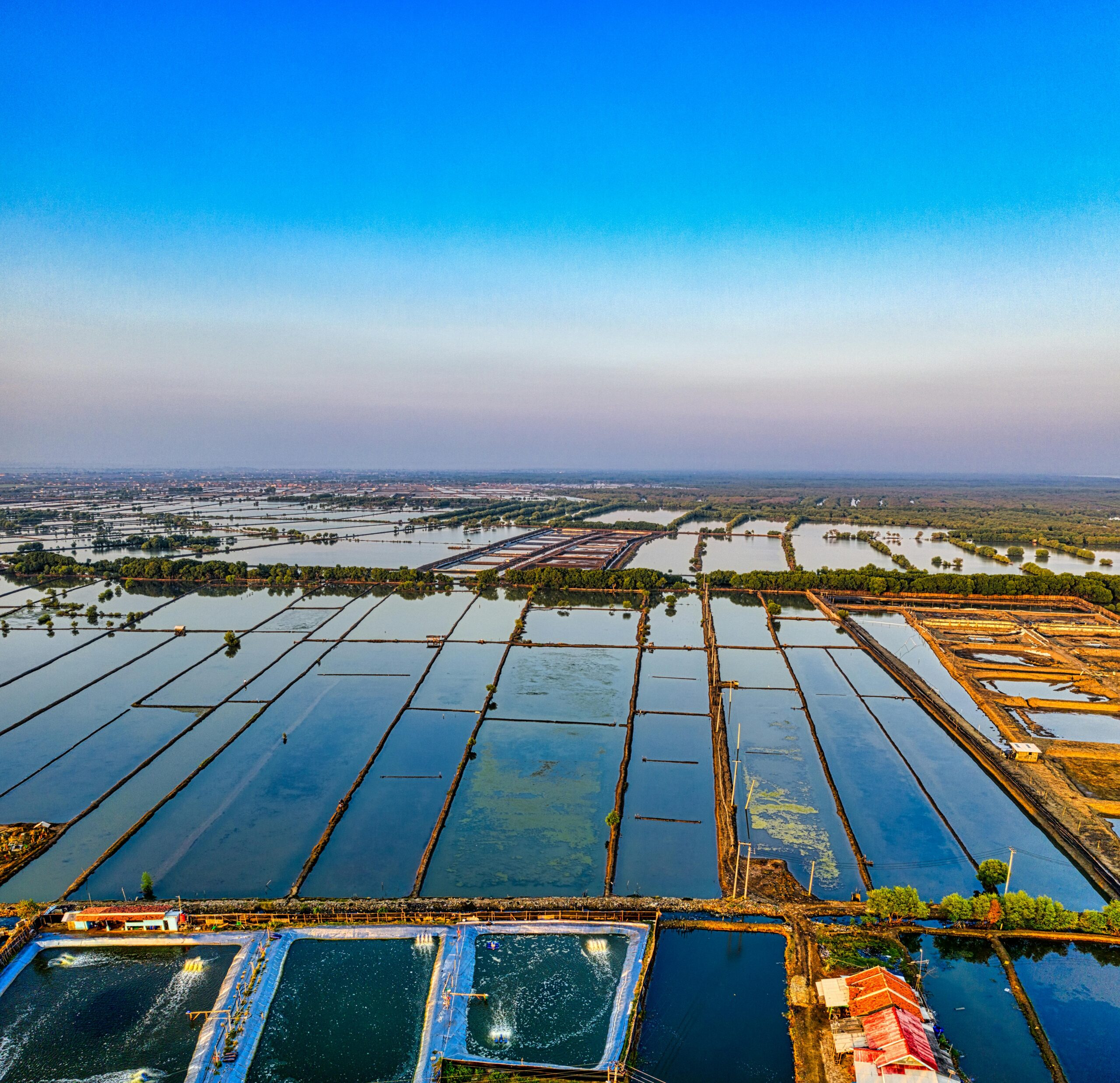
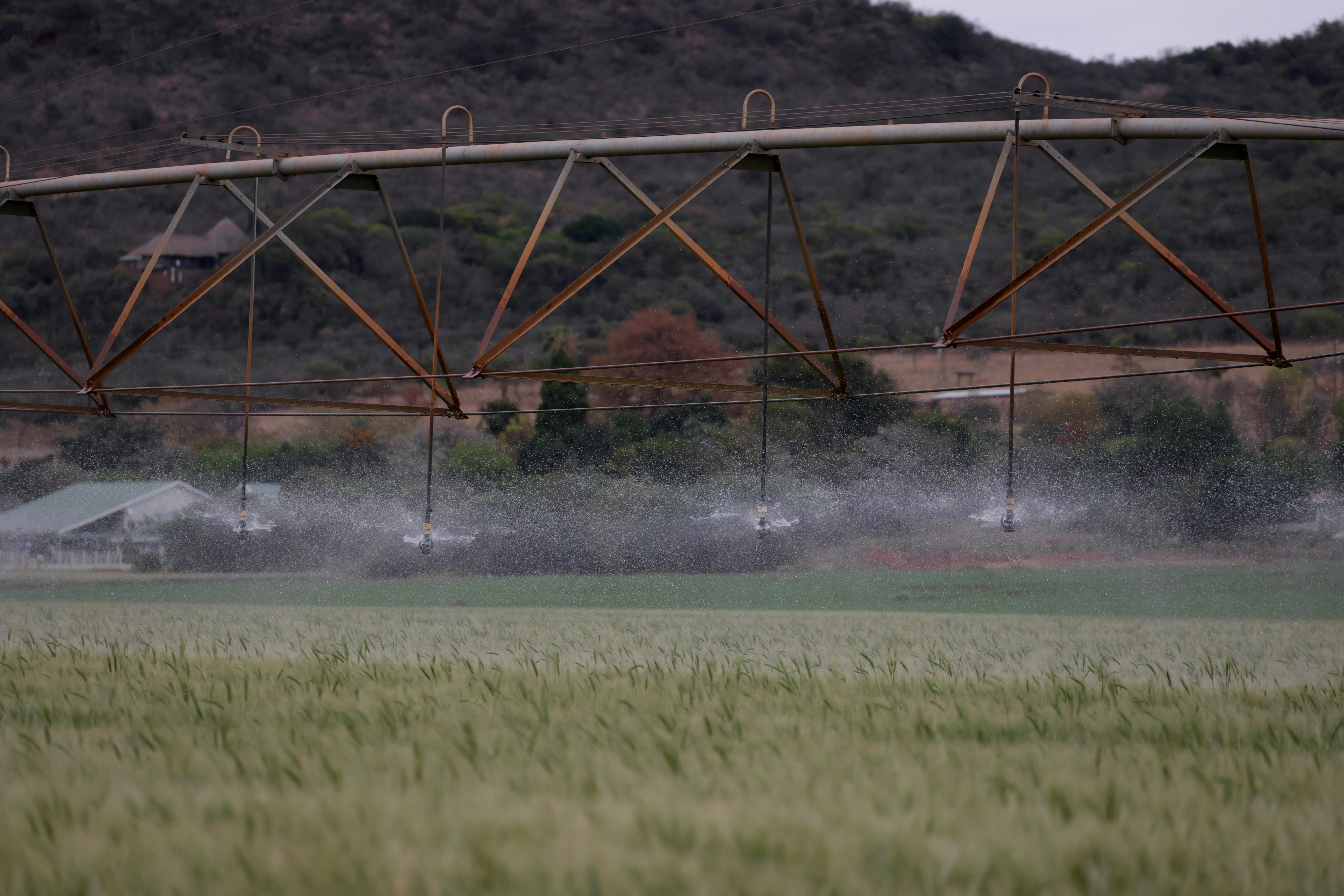
Algae cultivation represents one of the most promising frontiers in sustainable biotechnology, with applications ranging from biofuel production to nutritional supplements and environmental remediation. 🌱

The success of any algae cultivation system fundamentally depends on creating optimal conditions that support robust cellular growth and metabolic activity. Among the critical factors influencing productivity, mixing and circulation stand out as essential yet often underestimated elements that can dramatically transform cultivation outcomes. Understanding how fluid dynamics interact with biological processes provides cultivators with powerful tools to maximize yield, reduce costs, and achieve consistent quality in their algae production systems.
The relationship between mixing patterns and algae growth involves complex interactions of light exposure, nutrient distribution, gas exchange, and shear stress management. When properly implemented, strategic circulation techniques can increase biomass productivity by 30-50% compared to poorly mixed systems, making this knowledge invaluable for commercial operations and research applications alike.
🔬 The Biological Foundation: Why Mixing Matters at the Cellular Level
Algae cells are photosynthetic organisms that require continuous access to light, carbon dioxide, and dissolved nutrients to maintain optimal metabolic function. In static or poorly mixed cultures, cells settle into distinct layers where those at the surface experience light saturation and potential photoinhibition, while deeper cells suffer from light limitation. This vertical stratification creates a situation where only a small fraction of the culture operates at peak efficiency.
Effective mixing addresses this fundamental challenge by creating a dynamic environment where individual cells cycle through different light zones. This light-dark cycling prevents photoinhibition damage while ensuring all cells receive adequate photon exposure for photosynthesis. Research demonstrates that algae cells can efficiently utilize brief, intense light exposures followed by dark periods for carbon fixation, making circulation-induced light flashing particularly beneficial for productivity.
Beyond light distribution, mixing directly impacts nutrient availability at the cellular boundary layer. In stagnant conditions, algae cells quickly deplete nutrients in their immediate microenvironment, creating concentration gradients that limit uptake rates. Turbulent flow patterns disrupt these boundary layers, maintaining high nutrient concentrations adjacent to cell surfaces and maximizing transport rates across membranes.
⚡ Gas Exchange Optimization: The Carbon Dioxide-Oxygen Balance
Photosynthetic algae consume carbon dioxide and release oxygen as metabolic byproducts. Without adequate circulation, oxygen accumulates to inhibitory concentrations while CO2 becomes depleted, creating a metabolic bottleneck that severely restricts growth rates. This gas exchange challenge becomes particularly acute in high-density cultures where metabolic activity is intense.
Strategic mixing patterns facilitate efficient gas transfer at the culture surface and throughout the medium depth. Turbulent flow at the air-water interface enhances both oxygen desorption and carbon dioxide absorption, while circulation carries dissolved gases throughout the culture volume. The velocity and pattern of mixing determine the effectiveness of this gas exchange, with implications for both productivity and system energy efficiency.
In closed photobioreactor systems, mixing becomes even more critical as gas exchange opportunities are limited compared to open ponds. The circulation velocity must be sufficient to prevent oxygen buildup and CO2 limitation while avoiding excessive shear stress that could damage cells. This balance requires careful consideration of both flow rate and turbulence characteristics.
💧 Circulation Technologies: Comparing Approaches and Applications
Various mixing technologies exist for algae cultivation, each with distinct characteristics, advantages, and optimal applications. The selection of appropriate circulation methods depends on culture scale, species requirements, production objectives, and economic constraints.
Paddle Wheel Systems for Open Raceway Ponds
Paddle wheels represent the most common mixing approach for large-scale open pond cultivation. These simple mechanical devices create a circular flow pattern that keeps algae in suspension while providing gentle mixing that minimizes cell damage. The rotation speed, blade design, and pond geometry all influence circulation effectiveness and energy consumption.
Modern paddle wheel designs incorporate variable speed controls that allow operators to adjust mixing intensity based on culture density, temperature, and growth phase. Optimal paddle wheel velocity typically ranges from 0.15 to 0.30 meters per second, providing sufficient circulation without creating excessive turbulence or energy waste. Strategic placement of baffles and channel design modifications can enhance mixing uniformity and reduce dead zones where algae settlement occurs.
Airlift and Bubble Column Reactors
Airlift systems use compressed air injection to create circulation through density-driven convection currents. As air bubbles rise through the culture medium, they induce upward flow in the injection zone and downward return flow in adjacent areas. This creates a continuous circulation loop without mechanical moving parts in contact with the culture.
These systems offer several advantages, including simultaneous gas exchange and mixing, reduced contamination risk from mechanical components, and relatively low maintenance requirements. The bubble size, injection rate, and reactor geometry determine circulation velocity and mixing effectiveness. Fine bubbles provide better gas transfer efficiency but may create excessive shear stress for fragile species, while larger bubbles generate more circulation with less interfacial stress.
Mechanical Stirring in Tank Photobioreactors
For smaller-scale applications and laboratory research, mechanically stirred tanks provide precise control over mixing intensity and patterns. Impeller design, rotation speed, and tank geometry create specific flow fields that can be optimized for particular algae species and cultivation objectives.
Various impeller types generate different flow patterns: axial flow impellers create vertical circulation suitable for suspension of settling cells, while radial flow designs generate intense local mixing for enhanced mass transfer. The selection of appropriate impeller characteristics requires consideration of culture rheology, desired shear environment, and power input limitations.
📊 Optimizing Mixing Parameters: Finding the Efficiency Sweet Spot
Achieving optimal circulation requires balancing multiple competing factors to maximize productivity while minimizing energy consumption and cell stress. Several key parameters guide this optimization process:
- Circulation velocity: Must be sufficient to prevent settling and maintain suspension without creating excessive turbulence
- Mixing time: The duration required to achieve uniform distribution of added compounds throughout the culture volume
- Shear stress level: The mechanical forces experienced by cells, which must remain below damage thresholds
- Power input per volume: The energy invested in mixing, which directly impacts operational costs and system sustainability
- Light-dark cycle frequency: The rate at which cells move between illuminated and shaded zones
Research indicates that optimal mixing parameters vary considerably among algae species based on cellular characteristics. Fragile species like Dunaliella salina require gentler mixing with lower shear stress, while more robust species such as Chlorella vulgaris tolerate higher turbulence intensities. Understanding species-specific requirements enables cultivators to fine-tune circulation parameters for maximum efficiency.
Measuring and Monitoring Circulation Effectiveness
Quantitative assessment of mixing quality provides essential feedback for system optimization. Several measurement approaches help characterize circulation performance:
Computational fluid dynamics (CFD) modeling enables visualization of flow patterns and identification of dead zones or regions with insufficient circulation. These simulations guide reactor design modifications and operational parameter selection before physical implementation.
Tracer studies using dyes or conductivity changes quantify actual mixing times in operating systems, revealing discrepancies between theoretical predictions and real-world performance. Regular monitoring of mixing effectiveness ensures consistent culture conditions and early detection of circulation problems.
Cell distribution analysis through depth profiling reveals whether mixing maintains uniform suspension or allows stratification. Significant concentration gradients indicate inadequate circulation that requires adjustment of mixing intensity or pattern modification.
🌡️ Temperature Regulation Through Strategic Circulation
Mixing patterns significantly influence temperature distribution and heat management in algae cultivation systems. Proper circulation prevents thermal stratification while facilitating heat dissipation through evaporative cooling and surface heat exchange.
In outdoor open pond systems, circulation draws cooler water from depth to the surface, moderating daytime temperature peaks that could inhibit growth or cause thermal stress. Nighttime circulation patterns can be adjusted to conserve heat when temperatures drop below optimal ranges. This thermal management capability becomes particularly valuable in regions with significant diurnal temperature fluctuations.
Closed photobioreactor systems face different thermal challenges, as limited surface area relative to volume restricts natural cooling capacity. Strategic circulation carries metabolic heat to cooling surfaces or external heat exchangers, maintaining temperatures within optimal ranges for growth. The circulation rate must balance effective heat removal against energy costs and shear stress concerns.
🔄 Lifecycle Adaptation: Adjusting Mixing Throughout Growth Phases
Optimal circulation parameters change as cultures progress through different growth phases, requiring dynamic adjustment of mixing strategies. Early-phase cultures with low cell densities need gentle circulation primarily for nutrient distribution and prevention of settling. As biomass accumulates, increased mixing intensity becomes necessary to maintain suspension and provide adequate gas exchange.
During exponential growth phases, high metabolic activity demands vigorous circulation to meet oxygen removal and carbon dioxide supply requirements. The light-dark cycling frequency should increase to prevent photoinhibition as culture density rises and light penetration decreases.
Late stationary phase cultures may benefit from reduced mixing intensity to minimize energy expenditure when growth rates decline. However, sufficient circulation must continue to prevent settling and maintain culture viability during harvest preparation.
Species-Specific Considerations
Different algae species exhibit varying sensitivities to mixing intensity and shear stress, requiring tailored circulation approaches:
Flagellated species: Mobile algae like Euglena and Chlamydomonas can actively position themselves relative to light sources but may suffer flagellar damage in high-shear environments. Moderate mixing with smooth flow patterns optimizes conditions for these species.
Colonial forms: Species that naturally aggregate into colonies (Botryococcus, Scenedesmus) require sufficient turbulence to maintain colony suspension while avoiding disruption of beneficial colonial structures. Intermediate mixing intensities typically work best.
Large-celled species: Diatoms and other larger algae settle more rapidly than small cells, demanding higher circulation velocities to maintain suspension. Their robust cell walls typically tolerate increased shear stress without damage.
💰 Energy Efficiency: Maximizing Output While Minimizing Input
Mixing typically represents 20-40% of total energy consumption in algae cultivation systems, making circulation efficiency crucial for economic viability. Optimizing this energy investment requires strategic approaches that maintain biological performance while reducing power requirements.
Variable speed drives enable dynamic adjustment of mixing intensity based on real-time culture conditions, reducing energy waste during periods when full circulation capacity isn’t necessary. Automated control systems can modulate mixing based on dissolved oxygen levels, culture density, or time of day to match circulation to actual biological demands.
Reactor design optimization reduces energy requirements by minimizing flow resistance and maximizing natural circulation tendencies. Smooth internal surfaces, optimized channel dimensions, and strategic placement of mixing devices all contribute to improved energy efficiency.
Intermittent mixing strategies, where circulation alternates between active and passive periods, can reduce average power consumption by 30-50% in some systems without compromising productivity. The feasibility of intermittent approaches depends on culture settling characteristics and gas exchange requirements.
🛠️ Troubleshooting Common Circulation Problems
Even well-designed mixing systems occasionally develop problems that compromise culture performance. Recognizing symptoms and implementing corrective measures quickly minimizes productivity losses:
Dead zones and stratification: Areas with insufficient circulation accumulate settled cells and depleted nutrients. Solutions include adjusting baffle placement, increasing mixing intensity in affected regions, or modifying flow patterns through impeller positioning changes.
Excessive foaming: Over-vigorous mixing or high protein concentrations create stable foam that removes cells from circulation and interferes with gas exchange. Reducing turbulence intensity, adjusting bubble size in airlift systems, or adding antifoam agents addresses this issue.
Cell damage symptoms: Declining culture viability despite adequate nutrients and light suggests excessive shear stress. Reducing circulation velocity, modifying impeller design, or transitioning to gentler mixing technologies protects cellular integrity.
Inadequate gas exchange: Rising dissolved oxygen concentrations or pH drift indicate insufficient CO2 supply or O2 removal. Increasing surface turbulence, enhancing sparging rates, or implementing CO2 injection systems restores gas balance.
🚀 Advanced Circulation Strategies: Pushing Performance Boundaries
Cutting-edge cultivation facilities implement sophisticated mixing approaches that optimize multiple parameters simultaneously for maximum efficiency. These advanced strategies represent the future direction of algae cultivation technology.
Computational optimization using machine learning algorithms analyzes historical cultivation data to identify ideal mixing parameters for specific conditions. These systems continuously adjust circulation patterns based on measured culture responses, achieving performance levels exceeding manual optimization.
Segmented mixing zones within large cultivation systems allow different circulation intensities in various areas, accommodating spatial variations in light availability, temperature, or culture density. This targeted approach maximizes efficiency by matching mixing intensity to local requirements.
Oscillatory flow reactors create time-varying flow patterns that enhance mixing effectiveness while reducing average power input. The periodic changes in flow direction and velocity improve mass transfer and light distribution compared to steady-state circulation.
🌍 Scaling Considerations: From Laboratory to Commercial Production
Mixing principles that work effectively at laboratory scale often require significant modification for commercial-scale implementation. Understanding scale-dependent factors enables smooth transitions from research to production systems.
As culture volume increases, maintaining uniform circulation becomes progressively more challenging. Large systems require multiple mixing points or higher power inputs to achieve mixing effectiveness comparable to small reactors. Strategic reactor design that divides large volumes into interconnected segments helps manage this scaling challenge.
Energy efficiency becomes increasingly critical at commercial scale where circulation costs directly impact profitability. Mixing strategies that seem acceptable in research settings may prove economically unsustainable in large facilities, necessitating careful optimization of circulation approaches.
Maintenance accessibility and operational reliability gain importance as systems scale up. Commercial facilities need mixing technologies that provide consistent performance with minimal downtime and straightforward maintenance procedures.
✨ Integration with Other Growth Optimization Factors
Maximum cultivation efficiency emerges from integrating optimal mixing with complementary growth factors rather than addressing circulation in isolation. A holistic approach considers how mixing interacts with lighting design, nutrient management, temperature control, and culture harvesting strategies.
Light delivery systems should be designed in coordination with circulation patterns to ensure cells experience appropriate light-dark cycling frequencies. The positioning of light sources relative to flow patterns determines whether mixing enhances or compromises light utilization efficiency.
Nutrient addition strategies benefit from understanding circulation patterns and mixing times. Feeding locations should be positioned where circulation rapidly distributes nutrients throughout the culture, preventing localized nutrient spikes that waste inputs or inhibit growth.
Harvesting efficiency improves when circulation systems include features that facilitate culture concentration and collection. Flow patterns can direct cells toward harvest points while circulation intensity adjustments help settle biomass when appropriate for specific harvesting technologies.
The sophisticated management of mixing and circulation represents a powerful leverage point for maximizing algae cultivation efficiency. By understanding the fundamental biological requirements, implementing appropriate circulation technologies, optimizing operational parameters, and integrating mixing with other growth factors, cultivators can achieve dramatic improvements in productivity and economic performance. As the algae industry continues expanding into diverse applications, those who master circulation optimization will maintain competitive advantages through superior yields, reduced costs, and consistent quality. The investment in understanding and implementing effective mixing strategies pays dividends throughout the cultivation lifecycle, establishing the foundation for sustainable, profitable algae production systems. 🌊