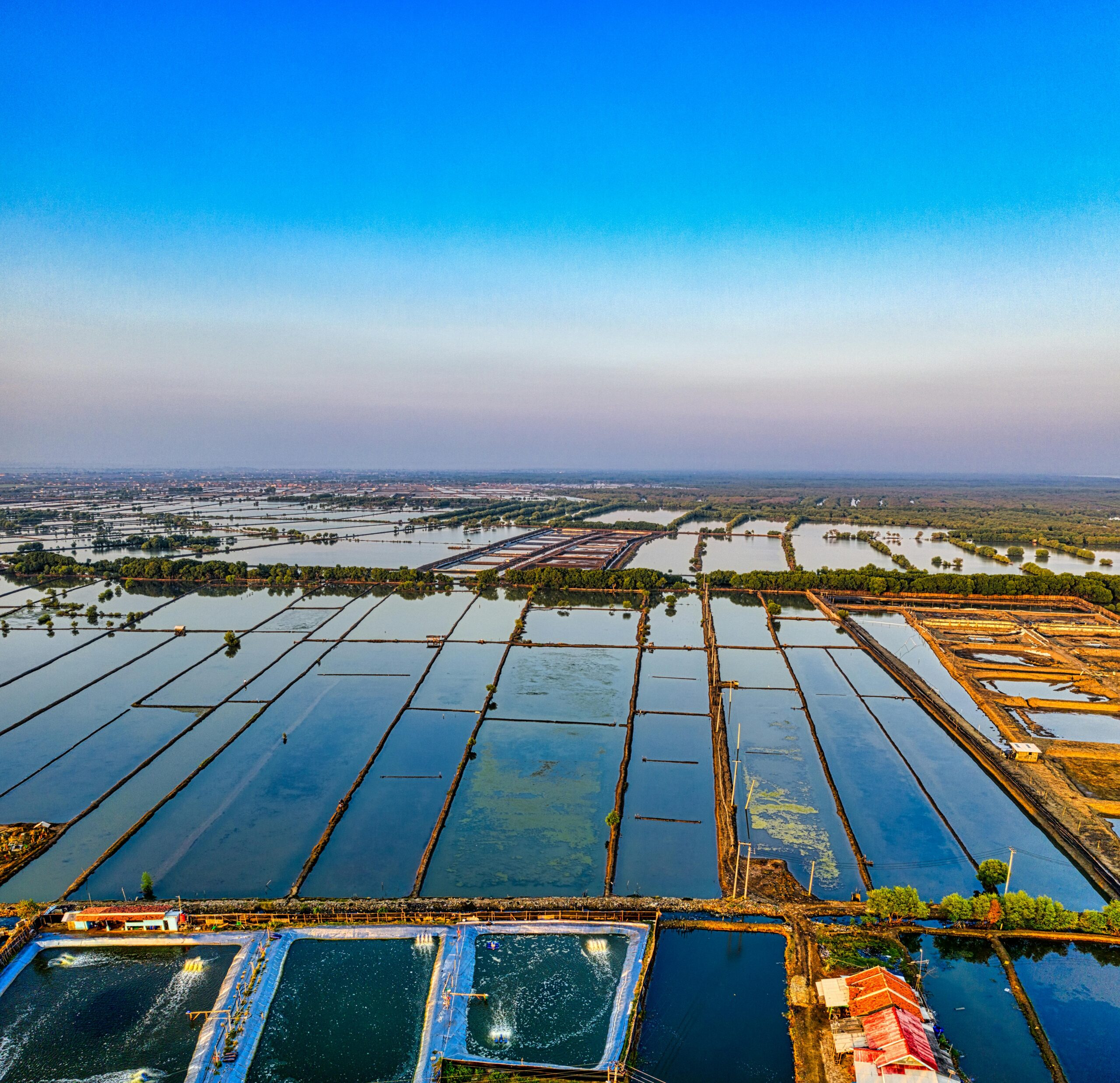
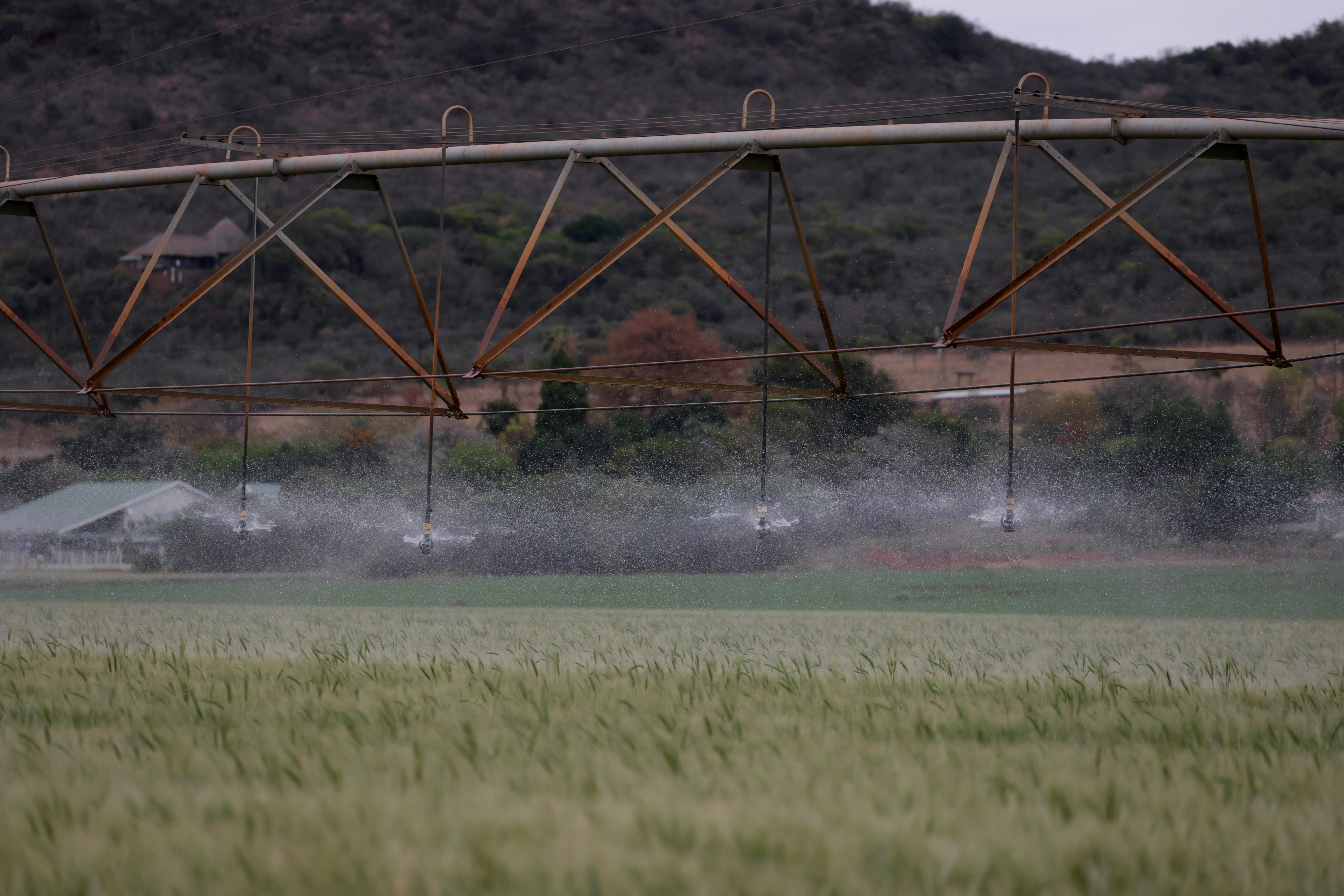
Algae cultivation has evolved from manual labor-intensive processes to sophisticated automated systems that maximize productivity while minimizing human intervention and operational costs.

🌊 The Revolution in Algae Production Systems
The traditional approach to algae cultivation demanded constant monitoring, manual adjustments, and unpredictable outcomes. Today’s automated algae cycling systems represent a paradigm shift in biotechnology, enabling producers to achieve consistent yields while dramatically reducing operational overhead. These intelligent systems leverage sensors, actuators, and control algorithms to maintain optimal growth conditions around the clock.
Modern algae farms now operate with precision previously unimaginable. By implementing closed-loop control systems, facilities can respond to environmental fluctuations in real-time, adjusting parameters like pH, temperature, nutrient concentration, and light exposure with minimal human intervention. This technological advancement has opened new possibilities for commercial-scale production of biofuels, nutritional supplements, and pharmaceutical compounds.
Understanding Control Loop Fundamentals in Algae Cultivation
At the heart of every automated algae system lies the control loop—a continuous cycle of measurement, comparison, and adjustment. These loops function by constantly monitoring critical parameters against predetermined setpoints, then making calculated corrections when deviations occur. The elegance of this approach lies in its simplicity and reliability.
A typical control loop consists of four essential components: the sensor that measures the actual condition, the controller that compares this measurement to the desired setpoint, the actuator that implements the necessary change, and the process itself. In algae cultivation, this might translate to a pH sensor detecting acidity levels, a controller recognizing the deviation from optimal range, a dosing pump adding buffering solution, and the culture medium responding to the adjustment.
Proportional-Integral-Derivative (PID) Controllers: The Gold Standard
PID controllers represent the most widely implemented control strategy in automated algae systems. These sophisticated algorithms calculate corrections based on three factors: the current error (proportional), the accumulated past errors (integral), and the rate of error change (derivative). This tri-modal approach enables smooth, stable control without the oscillations that plague simpler on-off systems.
When properly tuned, PID controllers maintain algae cultures within incredibly tight parameter ranges. A well-configured temperature control loop might maintain culture temperature within 0.5°C of setpoint despite external temperature swings of 20°C or more. This stability directly translates to improved growth rates, reduced contamination risk, and higher quality biomass production.
💡 Critical Parameters Requiring Automated Control
Successful algae cultivation automation demands precise control over multiple interconnected variables. Each parameter influences others in complex ways, creating a dynamic system that benefits enormously from intelligent automation.
Temperature Management Systems
Temperature profoundly impacts algae metabolism, growth rates, and species competition. Most cultivation strains have optimal temperature ranges spanning just 5-8°C. Automated temperature control systems typically employ heat exchangers, chillers, or heaters linked to precision thermistors. Advanced systems implement predictive algorithms that anticipate temperature changes based on time of day, weather forecasts, and historical data patterns.
The economic impact of proper temperature automation cannot be overstated. Energy costs for heating and cooling often represent 20-40% of operational expenses in commercial facilities. Smart control systems that modulate cooling and heating gradually, rather than cycling equipment on and off repeatedly, can reduce energy consumption by 30-50% while improving culture stability.
pH and Chemical Balance Automation
Algae cultivation requires careful pH management, as photosynthesis consumes carbon dioxide and naturally drives pH upward. Automated pH control systems continuously monitor acidity levels and dose CO2 or other buffering agents to maintain optimal conditions. Modern systems use predictive modeling to anticipate pH drift based on biomass density, light intensity, and growth phase.
The integration of pH control with CO2 supplementation creates powerful synergies. Not only does controlled CO2 addition maintain proper pH, but it also provides essential carbon nutrition for photosynthesis. Advanced systems optimize CO2 delivery timing and dosing rates to maximize carbon utilization efficiency, reducing waste and operational costs.
🔬 Nutrient Delivery and Monitoring Systems
Automated nutrient management represents one of the most impactful applications of control loop technology in algae cultivation. Traditional batch feeding approaches either underfeed cultures, limiting growth potential, or overfeed them, wasting expensive inputs and creating environmental concerns through discharge of excess nutrients.
Modern automated systems employ real-time nutrient sensors or indirect measurement techniques to determine culture nutrient status continuously. Based on this data, precision dosing pumps deliver microscopic quantities of nitrogen, phosphorus, trace minerals, and vitamins exactly when cultures need them. This approach, known as fed-batch cultivation, consistently achieves 20-40% higher biomass productivity compared to conventional methods.
Optical Density and Biomass Monitoring
Knowing precisely how much algae exists in a culture at any moment enables intelligent automation decisions across all other control loops. Optical density sensors measure light transmission or scattering to determine cell concentration non-invasively and continuously. This data feeds into sophisticated control algorithms that adjust nutrient delivery rates, harvest timing, and dilution schedules automatically.
Advanced facilities integrate multiple measurement techniques including optical density, fluorescence, and microscopic imaging to build comprehensive understanding of culture health and productivity. Machine learning algorithms can detect subtle patterns indicating contamination, nutrient deficiency, or optimal harvest timing hours or days before human operators would notice.
Light Management and Photoperiod Control
Photosynthetic organisms require light energy, but too much illumination causes photoinhibition and reduced productivity. Automated light management systems optimize intensity, spectrum, and photoperiod duration based on species requirements, growth phase, and culture density. LED technology has revolutionized this field by enabling precise spectral control and rapid dimming capabilities impossible with traditional lighting.
Sophisticated light control strategies employ variable intensity programming that mimics natural sunrise and sunset transitions, reducing photosynthetic stress. Some systems adjust light levels dynamically based on real-time photosynthetic efficiency measurements, maximizing energy-to-biomass conversion. These approaches typically improve productivity by 15-30% while reducing electricity consumption compared to constant-intensity lighting.
⚙️ Integration and Supervisory Control Systems
Individual control loops become exponentially more powerful when integrated into cohesive supervisory control and data acquisition (SCADA) systems. These platforms aggregate data from all sensors, coordinate control actions across multiple loops, and provide operators with comprehensive visualization and management tools. Modern SCADA systems enable complete facility management from smartphones or tablets, regardless of physical location.
The true power of integrated control emerges from the complex interactions between parameters. When temperature rises, for example, oxygen solubility decreases, pH tends to drift, and nutrient uptake rates change. Intelligent supervisory systems recognize these relationships and coordinate responses across multiple control loops simultaneously, maintaining overall system stability far better than independent controllers could achieve.
Data Analytics and Predictive Maintenance
Automated systems generate enormous quantities of operational data that, when properly analyzed, reveal optimization opportunities invisible to human observation. Advanced analytics platforms identify subtle correlations between parameters and outcomes, enabling continuous refinement of control strategies. Predictive maintenance algorithms monitor equipment performance signatures, detecting developing problems before failures occur.
Facilities employing comprehensive data analytics typically achieve 10-20% productivity improvements within the first year through incremental optimizations discovered in historical data patterns. These systems pay for themselves rapidly through reduced downtime, lower maintenance costs, and improved yields.
🚀 Implementing Automation: Practical Considerations
Transitioning from manual to automated algae cultivation requires careful planning and phased implementation. Starting with the most impactful parameters—typically temperature and pH—allows operators to gain experience with automation technology while achieving immediate benefits. Additional control loops can be integrated progressively as confidence and understanding develop.
Sensor Selection and Calibration Protocols
Reliable automation depends absolutely on accurate, consistent sensor data. Industrial-grade sensors designed for continuous immersion in biological fluids cost more initially but deliver superior long-term reliability compared to laboratory instruments. Establishing rigorous calibration schedules ensures measurement accuracy over time, preventing the control system from optimizing toward incorrect targets.
Redundant sensors for critical parameters provide insurance against sensor failure and enable cross-checking for accuracy. Many advanced facilities employ two or three independent sensors for parameters like temperature and pH, with the control system comparing readings and alerting operators to discrepancies that might indicate sensor drift or failure.
Fail-Safe Design and Alarm Systems
Automation increases efficiency but also creates new risks if systems malfunction. Properly designed automated facilities incorporate multiple fail-safe mechanisms to protect cultures when equipment fails or power interrupts. These might include backup power supplies, redundant critical equipment, and control logic that defaults to safe states during communication failures.
Comprehensive alarm systems notify operators immediately when parameters exceed acceptable ranges or equipment malfunctions occur. Modern systems employ multiple notification channels including text messages, phone calls, and mobile app alerts to ensure critical information reaches responsible personnel regardless of time or location.
Economic Analysis: The ROI of Automation
Implementing automated control systems requires significant capital investment, but the return on investment typically materializes within 1-3 years through multiple mechanisms. Labor cost reduction represents the most obvious benefit—automated facilities require 50-70% fewer personnel than equivalent manual operations. Energy optimization through intelligent control reduces utility costs by 20-40% in most applications.
Perhaps most significantly, automation improves product consistency and quality, enabling premium pricing and reducing batch failures. Commercial operations report 15-30% improvements in average productivity following automation implementation, with the highest-performing cultures approaching theoretical maximum yields. These productivity gains compound with cost reductions to dramatically improve profitability.
🌟 Future Trends in Algae Cultivation Automation
The frontier of algae cultivation technology continues advancing rapidly. Artificial intelligence and machine learning systems now demonstrate capability to optimize complex multi-parameter systems more effectively than traditional control algorithms. These systems learn from experience, continuously improving their control strategies without human reprogramming.
Internet of Things (IoT) integration enables unprecedented connectivity between devices, cloud computing platforms, and mobile interfaces. Operators can monitor dozens or hundreds of cultivation vessels simultaneously, with intelligent systems prioritizing attention toward units requiring intervention while automatically managing stable cultures. This technology enables individual operators to manage dramatically larger facilities than previously possible.
Genetic and Process Optimization Integration
Emerging approaches combine automated cultivation control with genetic selection and strain improvement programs. By precisely controlling all environmental variables, researchers can identify genetic variants with superior performance characteristics more rapidly than in conventional cultivation. The controlled environment created by automation becomes a powerful tool for biotechnology development, not just production optimization.
Advanced facilities now implement closed-loop improvement cycles where cultivation data informs genetic selection, improved strains undergo automated performance testing, and superior variants automatically enter production rotation. This integration of biological and technological optimization creates compounding improvements that substantially increase facility productivity over time.
Practical Implementation Roadmap for Beginners
For organizations beginning their automation journey, a phased approach minimizes risk while building organizational capability. Start by automating the single most problematic parameter in your current operation—often temperature control or pH management. Document the implementation process thoroughly, including challenges encountered and solutions discovered, to inform subsequent automation phases.
Invest in operator training alongside hardware and software. The most sophisticated control systems deliver suboptimal results if operators lack understanding of how automation works and when manual intervention remains appropriate. Effective automation augments human expertise rather than replacing it entirely, creating collaboration between technological capability and operational experience.
Building relationships with experienced automation vendors and consultants accelerates implementation and helps avoid common pitfalls. While DIY automation remains possible for technically skilled teams, professional guidance typically reduces time-to-value and improves long-term system reliability substantially.
🎯 Maximizing Long-Term Success
Sustainable automation success requires ongoing attention to system maintenance, calibration, and improvement. Establishing routine protocols for sensor calibration, equipment inspection, and control parameter review prevents gradual performance degradation. Many facilities implement quarterly system audits where all sensors, actuators, and control loops undergo comprehensive evaluation and tuning.
Documentation proves essential for long-term automation success. Maintaining detailed records of all control parameters, calibration activities, equipment maintenance, and system modifications creates institutional knowledge that survives personnel changes and enables continuous improvement. Modern SCADA systems automate much of this documentation, but operators should supplement automated logs with qualitative observations and insights.
The algae cultivation industry stands at an inflection point where automation technology has matured sufficiently to enable truly hands-off operation while remaining accessible to mid-sized producers. Organizations that embrace these technologies position themselves for competitive advantage in an increasingly efficiency-focused marketplace. The question facing producers today is not whether to automate, but how quickly they can implement automation to capture the substantial operational and economic benefits these systems provide.