Wastewater is no longer just a disposal problem—it’s a resource waiting to be unlocked for creating sustainable, circular systems across industries and communities worldwide.

🌍 Rethinking Wastewater as a Valuable Resource
The traditional linear approach to water management—extract, use, dispose—has proven unsustainable in our resource-constrained world. Every day, billions of liters of wastewater flow through treatment facilities, carrying with them nutrients, energy, and water that could be recaptured and reused. This represents not just an environmental challenge but an untapped opportunity for innovation and efficiency.
Modern wastewater contains organic matter, nitrogen, phosphorus, and thermal energy that can be recovered and repurposed. Rather than viewing treated effluent as something to simply discharge into rivers or oceans, forward-thinking municipalities and industries are redesigning their systems to capture maximum value from every drop.
The concept of circular water economy has gained momentum as water scarcity intensifies globally. According to recent studies, approximately 80% of the world’s wastewater is released into the environment without adequate treatment. This represents both a massive pollution problem and an enormous waste of recoverable resources that could support agricultural production, energy generation, and industrial processes.
💧 The Multiple Dimensions of Wastewater Recovery
Harnessing wastewater inputs involves several interconnected strategies, each addressing different aspects of resource recovery and environmental protection. Understanding these dimensions helps organizations and communities develop comprehensive approaches to wastewater management.
Water Reclamation and Reuse Systems
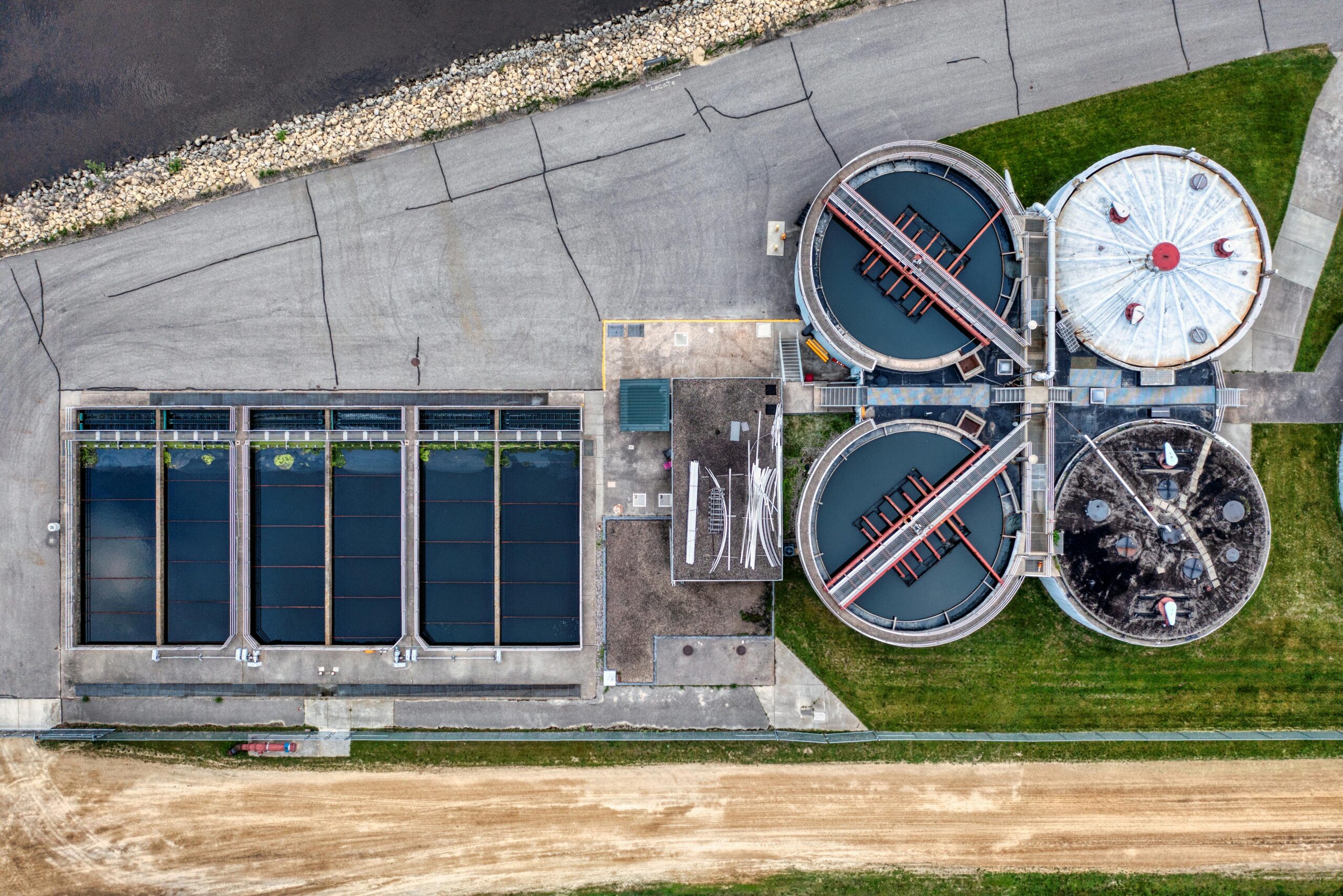
The most direct form of wastewater utilization involves treating and recycling the water itself. Advanced treatment technologies can now purify wastewater to standards suitable for various applications, from agricultural irrigation to industrial cooling systems and even potable water supplies in water-stressed regions.
Membrane bioreactors, reverse osmosis systems, and advanced oxidation processes have dramatically improved treatment efficiency. These technologies remove contaminants to levels that meet or exceed regulatory standards, making reclaimed water a viable alternative to freshwater extraction in many contexts.
Singapore’s NEWater program exemplifies this approach, transforming treated wastewater into ultra-clean recycled water that meets up to 40% of the nation’s water demand. Similar initiatives in California, Israel, and Australia demonstrate how water reclamation can enhance water security while reducing environmental impact.
Nutrient Recovery and Agricultural Integration
Wastewater contains substantial quantities of nitrogen and phosphorus—the same nutrients found in commercial fertilizers. Rather than allowing these to contribute to eutrophication in waterways, innovative systems capture and concentrate these nutrients for agricultural use.
Struvite precipitation technology recovers phosphorus in crystalline form, creating a slow-release fertilizer that improves soil health. Nitrogen can be captured through biological processes or chemical methods, reducing the need for energy-intensive synthetic fertilizer production while closing nutrient loops.
Some wastewater treatment facilities have partnered with local farms to create synergistic relationships. The treatment plant provides nutrient-rich effluent or biosolids, while the agricultural land serves as a natural polishing system, further treating the water through soil filtration and plant uptake.
⚡ Energy Generation from Wastewater Streams
Wastewater treatment traditionally consumes enormous amounts of energy, but modern facilities are transforming into net energy producers through innovative resource recovery approaches.
Biogas Production and Anaerobic Digestion
The organic matter in wastewater represents stored chemical energy that can be released through anaerobic digestion. This biological process breaks down organic materials in oxygen-free conditions, producing biogas—primarily methane—that can generate electricity, heat buildings, or fuel vehicles.
Advanced anaerobic digestion systems can achieve high conversion rates, turning sewage sludge into valuable energy while simultaneously reducing the volume of waste requiring disposal. Some facilities generate enough biogas to meet all their operational energy needs, with surplus energy exported to the grid.
The East Bay Municipal Utility District in California operates one of the most successful wastewater-to-energy programs, generating more renewable energy than the facility consumes. Their anaerobic digesters process food waste alongside sewage, maximizing biogas production while solving multiple waste management challenges.
Thermal Energy Recovery Systems
Wastewater maintains relatively constant temperatures throughout the year, making it an excellent source for heat recovery. Heat exchangers installed in sewer systems or treatment facilities can capture thermal energy for district heating, greenhouse operations, or preheating water in industrial processes.
This approach is particularly effective in cold climates where heating demands are high. Cities like Oslo and Vancouver have implemented large-scale sewer heat recovery systems, reducing fossil fuel consumption while utilizing a previously wasted resource.
🏭 Industrial Applications and Closed-Loop Manufacturing
Industries generate substantial wastewater volumes with characteristics that vary by sector. Forward-thinking manufacturers are redesigning processes to minimize wastewater generation while maximizing reuse of necessary process water.
Textile industries, which traditionally consume vast water quantities, are implementing closed-loop systems that treat and recycle dye wastewater within facilities. This reduces both freshwater intake and discharge volumes while recovering valuable chemicals that can be reused in production.
Food and beverage processors face similar opportunities. Brewery wastewater, rich in organic matter, can undergo anaerobic treatment to produce biogas for facility operations. The treated effluent may then be suitable for landscape irrigation or further polished for process water reuse.
Semiconductor manufacturing and pharmaceutical production require ultra-pure water, but their waste streams often contain recoverable resources. Advanced treatment trains can reclaim high-quality water while extracting valuable materials from concentrated waste streams, improving both environmental performance and economic outcomes.
🌱 Building Resilient Agricultural Systems
Agriculture accounts for approximately 70% of global freshwater withdrawals, creating intense pressure on water resources. Integrating treated wastewater into agricultural systems offers a sustainable alternative that addresses multiple challenges simultaneously.
Irrigation with Reclaimed Water
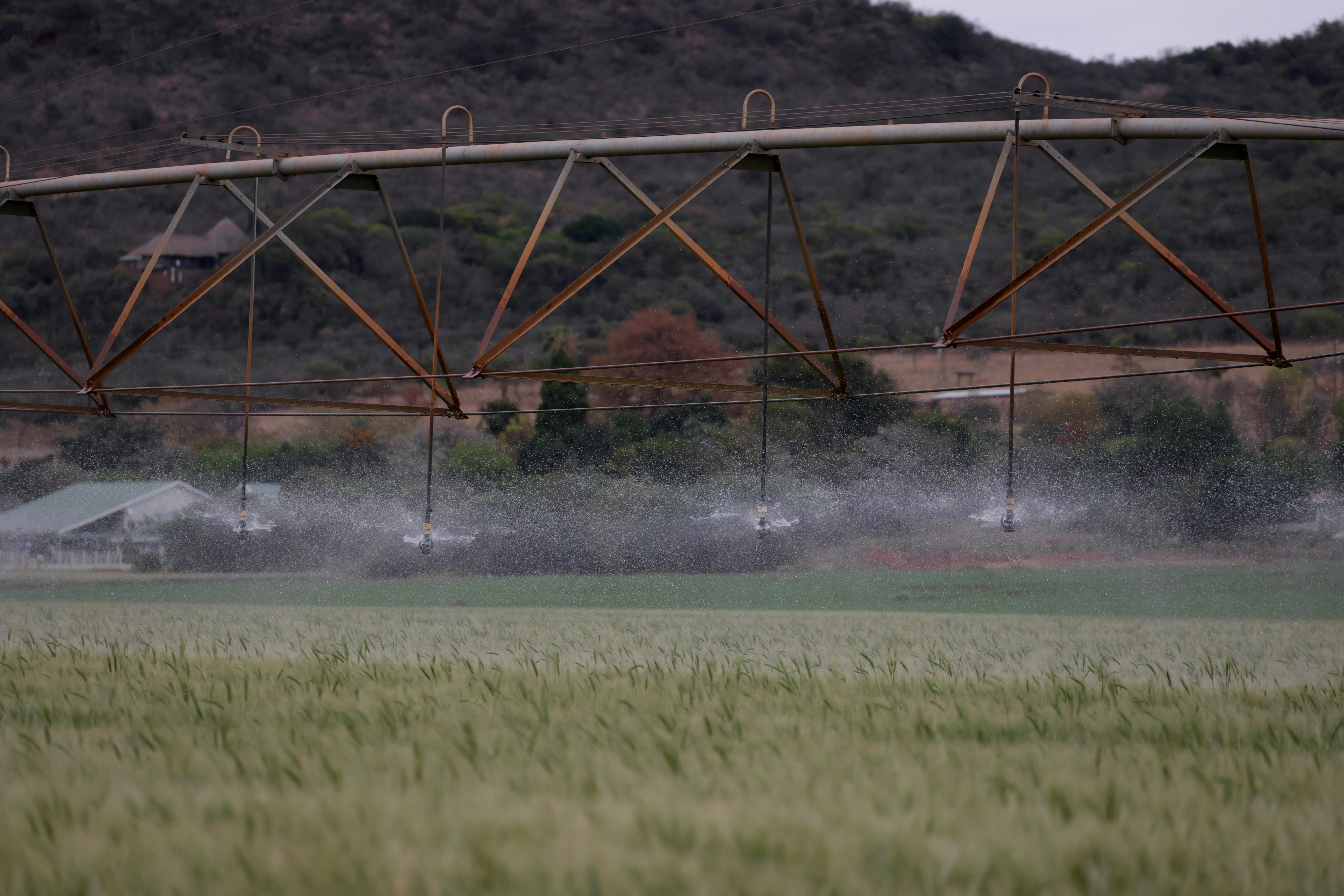
Properly treated wastewater provides reliable irrigation water that also delivers nutrients to crops. This approach is particularly valuable in arid and semi-arid regions where freshwater scarcity limits agricultural productivity.
Guidelines for agricultural reuse specify treatment levels based on crop types and irrigation methods. While food crops consumed raw typically require higher treatment standards, crops for processing, fiber crops, and fodder can often be irrigated with secondary-treated effluent, significantly expanding reuse opportunities.
Israel leads globally in agricultural wastewater reuse, with treated effluent providing approximately 50% of agricultural irrigation water. This achievement results from integrated national planning that coordinates urban wastewater collection with agricultural water distribution infrastructure.
Aquaculture and Integrated Farming Systems
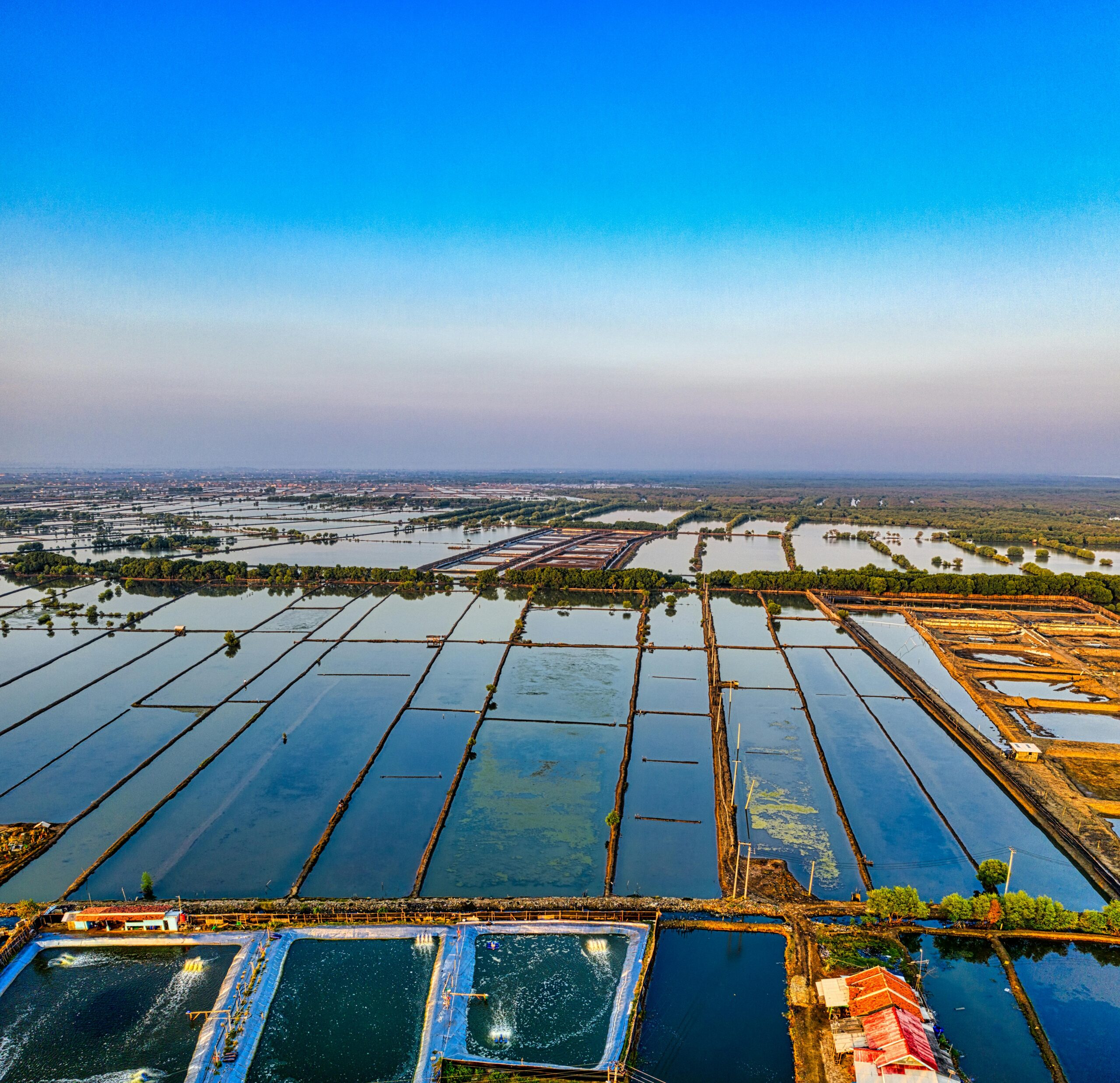
Innovative farmers are developing integrated systems where treated wastewater supports aquaculture operations. Fish ponds act as polishing stages for wastewater treatment while producing protein. The nutrient-enriched water from fish ponds then irrigates crops, creating productive cycles that maximize resource efficiency.
These integrated systems mimic natural ecosystems where waste from one organism becomes food for another. By carefully managing water quality and selecting appropriate species, farmers can create resilient, productive systems that generate multiple income streams while treating wastewater naturally.
🔬 Emerging Technologies and Future Innovations
Research continues to expand possibilities for wastewater resource recovery, with emerging technologies promising even greater efficiency and value extraction.
Microbial Fuel Cells and Bioelectrochemical Systems
Scientists are developing systems where bacteria break down organic matter in wastewater while generating electricity directly through bioelectrochemical reactions. Though still largely experimental, microbial fuel cells could eventually power treatment processes while simultaneously cleaning water.
These systems operate at ambient temperature and pressure, potentially offering more energy-efficient treatment than conventional approaches. Ongoing research focuses on improving power output and scaling technologies for practical applications.
Resource Mining from Wastewater
Wastewater contains trace amounts of valuable materials including rare earth elements, precious metals, and industrial chemicals. Advanced separation technologies are being developed to economically extract these resources from municipal and industrial waste streams.
Japanese researchers have demonstrated technologies for recovering gold, silver, and other valuable metals from sewage sludge ash. While concentrations are low, the massive volumes of wastewater processed globally mean even trace recovery could yield significant quantities of materials.
📊 Economic Benefits and Investment Returns
Implementing wastewater resource recovery systems requires upfront investment, but the economic case strengthens as water scarcity increases and resource prices rise.
| Resource Recovery Type | Primary Economic Benefit | Typical Payback Period |
|---|---|---|
| Water Reclamation | Reduced freshwater costs | 5-10 years |
| Biogas Production | Energy generation/sales | 7-12 years |
| Nutrient Recovery | Fertilizer sales/reduced disposal | 8-15 years |
| Thermal Recovery | Heating cost reduction | 6-10 years |
Beyond direct financial returns, wastewater resource recovery provides insurance against resource price volatility and regulatory changes. As environmental regulations tighten and water becomes scarcer, facilities with robust recovery systems gain competitive advantages.
Communities implementing comprehensive wastewater resource recovery often see additional benefits including job creation in green technology sectors, reduced environmental compliance costs, and enhanced resilience to climate variability.
🌐 Policy Frameworks and Regulatory Considerations
Successful wastewater resource recovery requires supportive policy environments that encourage innovation while protecting public health and environmental quality.
Regulatory frameworks must balance safety with flexibility, establishing clear standards for different reuse applications while allowing for technological innovation. Progressive jurisdictions have developed tiered approaches that specify treatment requirements based on end-use risk profiles.
Economic incentives play crucial roles in accelerating adoption. Feed-in tariffs for biogas, subsidies for water reuse infrastructure, and tax credits for resource recovery investments help overcome financial barriers to implementation.
Some regions have established “water offset” programs where new developments must balance freshwater withdrawals with equivalent wastewater recycling or conservation measures. These market-based mechanisms create ongoing demand for resource recovery technologies.
🚀 Implementing Sustainable Wastewater Systems: Practical Steps
Organizations and communities interested in maximizing wastewater resource recovery can follow systematic approaches to implementation.
- Conduct comprehensive wastewater characterization to identify recovery opportunities specific to your waste streams
- Assess local resource demands that might be met with recovered materials, water, or energy
- Evaluate available technologies against your specific conditions, considering climate, scale, and existing infrastructure
- Develop phased implementation plans that start with highest-return opportunities while building toward comprehensive systems
- Establish partnerships with end-users of recovered resources to ensure reliable markets
- Invest in monitoring systems that track both treatment performance and resource recovery efficiency
- Engage stakeholders early to build acceptance, particularly for water reuse applications
- Pursue available funding through green infrastructure programs, water efficiency grants, and renewable energy incentives
🌟 Creating Truly Circular Water Systems
The transition from linear “take-make-dispose” water management to circular systems represents a fundamental shift in how societies relate to water resources. Rather than viewing wastewater as a problem requiring disposal, circular approaches recognize it as an integral component of sustainable resource management.
Successful circular water systems integrate multiple recovery pathways, creating resilient networks where water, nutrients, and energy flow efficiently between urban, industrial, and agricultural users. These systems mimic natural cycles where waste is continually transformed into resources.
Technology alone cannot achieve this transformation. Social acceptance, appropriate pricing mechanisms, cross-sector collaboration, and long-term planning are equally essential. Communities that successfully implement circular water systems typically invest heavily in public education and stakeholder engagement.
The global water crisis demands innovative solutions that stretch beyond conventional infrastructure approaches. By harnessing wastewater inputs for sustainable cycles, we can simultaneously address water scarcity, energy demands, nutrient management, and pollution control—creating more resilient and efficient systems that support both human needs and environmental health.
Organizations and communities that embrace wastewater resource recovery position themselves as leaders in sustainability while building practical resilience against resource constraints. The technologies exist, the economic case strengthens daily, and the environmental imperative grows clearer. The question is no longer whether to harness wastewater as a resource, but how quickly we can scale proven approaches to meet our collective challenges.