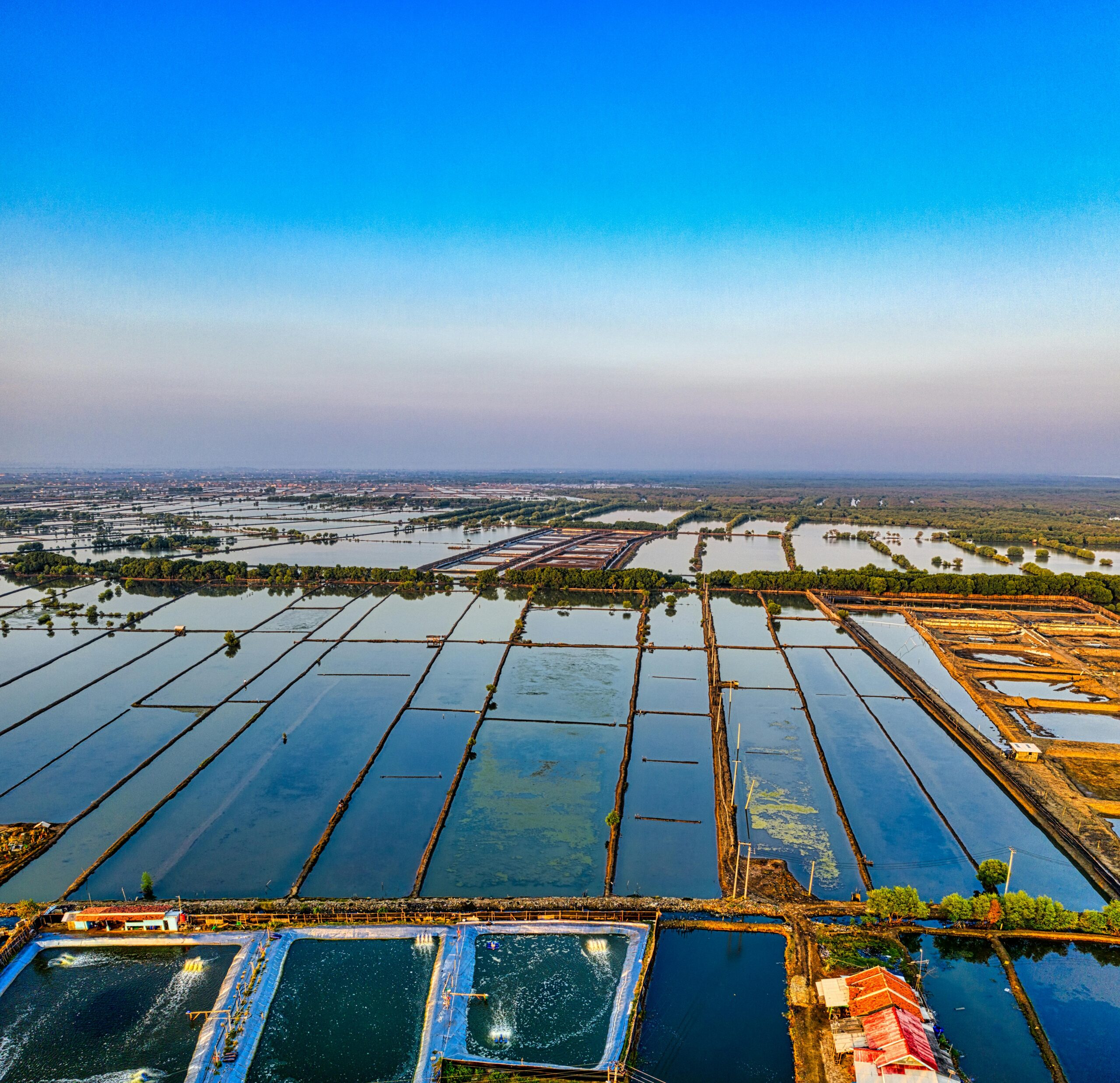
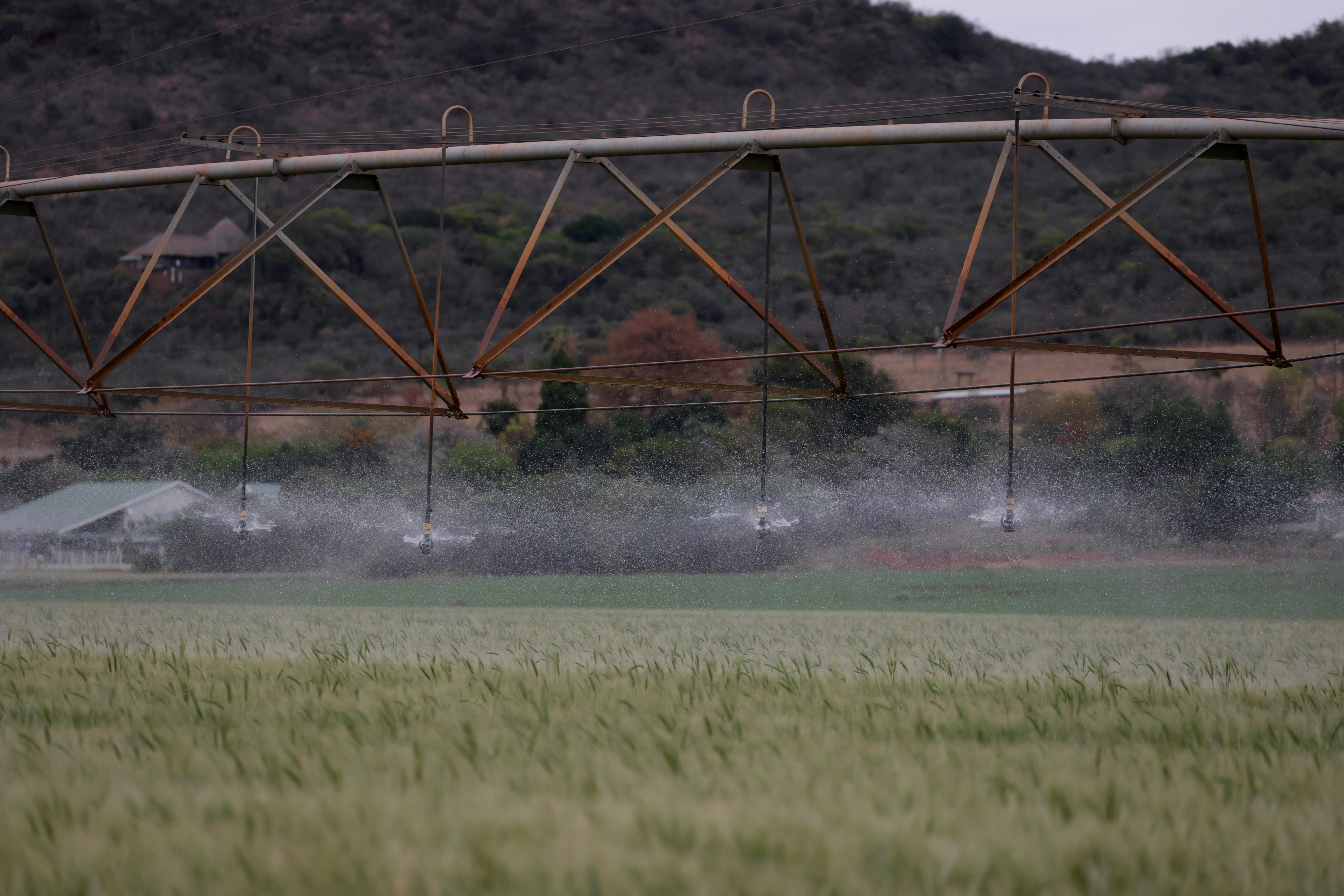
Water quality monitoring has evolved dramatically, leveraging natural indicators like chlorophyll and turbidity to reveal the hidden health status of aquatic ecosystems.

🌊 The Living Pulse of Water Bodies
Beneath the surface of every lake, river, and reservoir lies a complex story told through microscopic algae and suspended particles. Chlorophyll concentration and turbidity levels serve as nature’s own diagnostic tools, providing real-time insights into water quality that would otherwise remain invisible to the naked eye. These parameters have become fundamental pillars in modern environmental monitoring, enabling scientists, water managers, and conservationists to make informed decisions about aquatic ecosystem health.
The relationship between chlorophyll and turbidity creates a fascinating narrative about ecosystem dynamics. Chlorophyll, the green pigment found in algae and aquatic plants, acts as a proxy for phytoplankton abundance. Turbidity, measuring water clarity through suspended particles, reveals sedimentation patterns, erosion impacts, and pollution levels. Together, they paint a comprehensive picture of water quality that transcends simple visual assessment.
Understanding Chlorophyll as Nature’s Water Quality Indicator
Chlorophyll monitoring represents one of the most effective methods for tracking phytoplankton populations in aquatic environments. These microscopic organisms form the foundation of aquatic food webs, but their excessive growth can signal nutrient pollution problems. When nitrogen and phosphorus levels rise due to agricultural runoff or urban wastewater, algal blooms explode across water surfaces, creating environmental challenges that ripple through entire ecosystems.
The measurement of chlorophyll-a specifically has become the gold standard in water quality assessment. This particular form of chlorophyll exists in all photosynthetic organisms, making it a universal indicator of primary productivity. High chlorophyll-a concentrations often indicate eutrophic conditions where nutrient overloading has occurred, potentially leading to oxygen depletion, fish kills, and drinking water contamination.
🔬 Advanced Detection Methods for Chlorophyll
Modern technology has revolutionized chlorophyll monitoring through multiple approaches. Fluorometry uses the natural fluorescence properties of chlorophyll molecules, allowing for rapid, non-destructive measurements. Spectrophotometry analyzes light absorption at specific wavelengths to quantify chlorophyll concentrations with laboratory precision. Remote sensing via satellites and drones now enables large-scale monitoring of chlorophyll distribution across vast water bodies, providing unprecedented spatial coverage.
Field-deployable sensors have transformed monitoring capabilities by enabling continuous, automated data collection. These instruments can record chlorophyll levels at intervals ranging from minutes to hours, capturing daily and seasonal fluctuations that traditional grab sampling would miss. This temporal resolution reveals patterns in algal growth cycles, bloom formation, and response to weather events or management interventions.
Turbidity: The Clarity Metric That Matters
Turbidity measurement quantifies how much light scatters as it passes through water, directly relating to the concentration of suspended particles. These particles include soil sediments, algae, microorganisms, and organic matter. High turbidity doesn’t just affect aesthetic appeal; it has profound implications for aquatic life, water treatment costs, and ecosystem functioning.
Fish and other aquatic organisms suffer when turbidity levels rise excessively. Suspended particles interfere with light penetration, reducing photosynthesis in submerged vegetation and disrupting the visual hunting capabilities of predatory fish. Sediments settling from turbid water can smother benthic habitats, destroying spawning grounds and smothering eggs. Additionally, turbidity provides surfaces for bacteria and pollutants to attach, potentially harboring pathogens and toxic compounds.
📊 Measuring Turbidity Across Different Scales
Turbidity is typically measured in Nephelometric Turbidity Units (NTU) or Formazin Nephelometric Units (FNU). Instruments called turbidimeters shine light through water samples and measure the scattered light at specific angles. Modern turbidity sensors range from handheld devices for spot checks to sophisticated in-situ probes that provide continuous monitoring data integrated with telemetry systems.
The interpretation of turbidity data requires understanding baseline conditions for specific water bodies. A turbidity reading of 10 NTU might be normal for a sediment-rich river but alarming for a pristine mountain lake. Establishing site-specific thresholds based on historical data and ecological requirements ensures meaningful assessments rather than applying arbitrary standards across diverse aquatic environments.
The Synergistic Relationship Between Chlorophyll and Turbidity
Monitoring chlorophyll and turbidity together creates a powerful diagnostic framework for water quality assessment. These parameters interact in complex ways that reveal ecosystem processes otherwise hidden from view. During algal blooms, chlorophyll concentrations spike while turbidity may initially rise due to algal cell density, then decrease as blooms collapse and cells settle.
Distinguishing between algal turbidity and sediment turbidity becomes crucial for appropriate management responses. Sediment-driven turbidity suggests erosion control measures are needed, while algae-driven turbidity indicates nutrient management interventions. Advanced monitoring systems that measure both parameters simultaneously enable this critical distinction, guiding targeted remediation strategies rather than generic approaches.
🌱 Seasonal Monitoring Cycles and Patterns
Understanding seasonal variations in chlorophyll and turbidity is essential for effective water quality management. Spring typically brings increased turbidity from snowmelt runoff and elevated flows, while summer often sees chlorophyll peaks as warm temperatures and extended daylight fuel algal growth. Autumn turnover events in stratified lakes can temporarily increase turbidity as nutrients and particles redistribute throughout the water column.
Establishing monitoring cycles that capture these seasonal dynamics requires strategic sampling frequency. Monthly sampling may suffice for stable water bodies with predictable patterns, while weekly or even daily monitoring becomes necessary during critical periods like spring runoff or summer bloom season. Automated sensors deployed year-round capture the complete picture, revealing unexpected events and long-term trends that periodic sampling might miss.
Technology-Driven Water Quality Enhancement
The integration of sensor networks, data analytics, and communication technology has created sophisticated early warning systems for water quality problems. Real-time chlorophyll and turbidity data transmitted from remote monitoring stations enables rapid response to developing blooms or pollution events before they escalate into full-scale crises.
Artificial intelligence and machine learning algorithms now analyze historical monitoring data to predict future water quality conditions. These predictive models identify patterns that precede algal blooms or turbidity spikes, allowing preventive measures rather than reactive responses. Water managers can adjust reservoir operations, activate aeration systems, or implement treatment modifications based on forecasted conditions days or weeks in advance.
💧 Practical Applications in Water Treatment
Drinking water treatment facilities rely heavily on chlorophyll and turbidity monitoring to optimize their processes. High chlorophyll levels alert operators to potential taste, odor, and toxin issues requiring enhanced treatment. Elevated turbidity demands increased coagulant dosing and filtration adjustments to maintain safe drinking water standards.
Continuous monitoring at treatment plant intakes enables dynamic process optimization that reduces chemical costs while maintaining water quality. When turbidity spikes during storm events, automated systems can adjust coagulant feed rates in real-time, preventing filter overloading and maintaining consistent effluent quality. Similarly, chlorophyll alarms trigger enhanced monitoring for algal toxins and adjustments to oxidation processes.
Environmental Management and Conservation Strategies
Conservation organizations and environmental agencies use chlorophyll and turbidity data to assess ecosystem health, track restoration progress, and prioritize intervention areas. Baseline monitoring establishes reference conditions against which future changes can be measured, creating accountability for pollution prevention and habitat protection efforts.
Watershed management benefits tremendously from understanding spatial patterns in these water quality parameters. Monitoring stations distributed throughout a watershed reveal pollution sources, track contamination pathways, and demonstrate the effectiveness of best management practices. This data-driven approach replaces guesswork with evidence, justifying investments in conservation measures and demonstrating results to stakeholders and funding agencies.
🏞️ Protecting Recreational and Economic Values
Water bodies with high recreational value require vigilant chlorophyll and turbidity monitoring to protect public health and maintain economic benefits. Beach closures due to harmful algal blooms cost communities millions in lost tourism revenue. Proactive monitoring programs that detect developing blooms enable timely public notifications, temporary closures limited to affected areas, and rapid reopening when conditions improve.
Fisheries management increasingly incorporates water quality data into stock assessments and habitat protection strategies. Chronic turbidity problems from erosion or construction activities can devastate fish populations through habitat degradation. Monitoring programs that document these impacts provide the evidence needed for regulatory enforcement and restoration funding applications.
Challenges and Solutions in Long-Term Monitoring
Maintaining consistent, high-quality monitoring data over years and decades presents numerous challenges. Sensor drift, biofouling, calibration requirements, and equipment failures can compromise data integrity. Successful programs implement rigorous quality assurance protocols including regular calibration, comparison against laboratory standards, and redundant measurements to detect sensor problems.
Data management becomes increasingly complex as monitoring networks grow and data accumulates. Cloud-based platforms now provide centralized storage, automated quality control checks, and visualization tools that make vast datasets accessible and actionable. These systems flag suspicious data, track maintenance schedules, and generate automated reports that keep stakeholders informed without overwhelming staff with raw data.
🔄 Adapting to Climate Change Impacts
Climate change is altering water quality patterns in ways that make monitoring more critical than ever. Warmer temperatures extend algal growing seasons and favor toxic cyanobacteria species. Extreme precipitation events increase turbidity through intensified erosion while also flushing excess nutrients into water bodies. Long-term monitoring datasets document these changes, providing the evidence base for adaptation strategies.
Future monitoring systems must become more resilient and adaptive to capture accelerating environmental changes. Emerging sensor technologies offer improved accuracy, reduced maintenance requirements, and lower costs that enable denser monitoring networks. Integration with weather forecasting, land use data, and hydrological models creates comprehensive decision support systems for water resource management under changing conditions.
Building Effective Monitoring Programs
Successful water quality monitoring programs begin with clear objectives aligned with specific management needs. Whether protecting drinking water sources, supporting aquatic life, maintaining recreational opportunities, or documenting pollution sources, objectives guide decisions about monitoring locations, parameters, frequency, and methods.
Stakeholder engagement strengthens monitoring programs by incorporating diverse perspectives and building support for data-driven management decisions. Involving local communities, resource users, and partner organizations creates ownership and ensures monitoring efforts address real-world concerns. Public access to monitoring data through web portals and mobile applications increases transparency and enables citizen contributions to water protection efforts.
📱 Empowering Citizens Through Technology
Citizen science initiatives harness public participation to expand monitoring coverage beyond what professional programs can achieve alone. Smartphone applications enable volunteers to submit water clarity readings, algal bloom observations, and photographic documentation that complements formal monitoring networks. These programs build environmental awareness while generating valuable supplementary data.
Educational programs that teach water quality concepts through hands-on monitoring create lasting environmental stewardship. Students who measure chlorophyll and turbidity in local water bodies develop personal connections to watersheds and understanding of human impacts. These experiences cultivate the next generation of environmental professionals and informed citizens who support water protection policies.

🌟 Transforming Data into Water Quality Improvements
The ultimate value of chlorophyll and turbidity monitoring lies not in data collection itself but in the management actions that data informs. Successful programs establish clear pathways from monitoring results to decision-making processes. Threshold-based response protocols specify actions triggered by specific water quality conditions, removing ambiguity and enabling rapid, appropriate responses.
Adaptive management frameworks treat monitoring data as feedback that continuously refines management strategies. When interventions like nutrient reduction programs or erosion controls are implemented, ongoing monitoring documents their effectiveness and guides adjustments. This iterative process maximizes the return on management investments and accelerates progress toward water quality goals.
Collaboration across jurisdictions and sectors multiplies the impact of individual monitoring efforts. Shared data standards, coordinated sampling designs, and integrated analysis reveal watershed-scale patterns that local programs cannot detect independently. Regional monitoring networks create economies of scale for equipment, training, and data management while supporting comprehensive water resource management.
The future of water quality enhancement through chlorophyll and turbidity monitoring shines bright with technological innovation and growing recognition of these parameters’ fundamental importance. As sensors become more capable, data systems more sophisticated, and understanding deepens, these natural indicators will continue revealing nature’s secrets and guiding humanity toward sustainable water resource management. The investment in robust monitoring programs today creates healthier aquatic ecosystems and cleaner water for generations to come.