Algae cultivation represents one of the most promising frontiers in sustainable agriculture, biofuel production, and environmental restoration. Optimizing the algae growth cycle unlocks unprecedented potential for commercial viability and ecological impact.

🌊 The Revolutionary Potential of Algae Cultivation
Algae have emerged as microscopic powerhouses capable of transforming industries ranging from food production to carbon capture. These photosynthetic organisms multiply rapidly, requiring minimal land and resources compared to traditional crops. Understanding and optimizing their growth cycles has become critical for researchers, entrepreneurs, and environmental advocates seeking scalable solutions to global challenges.
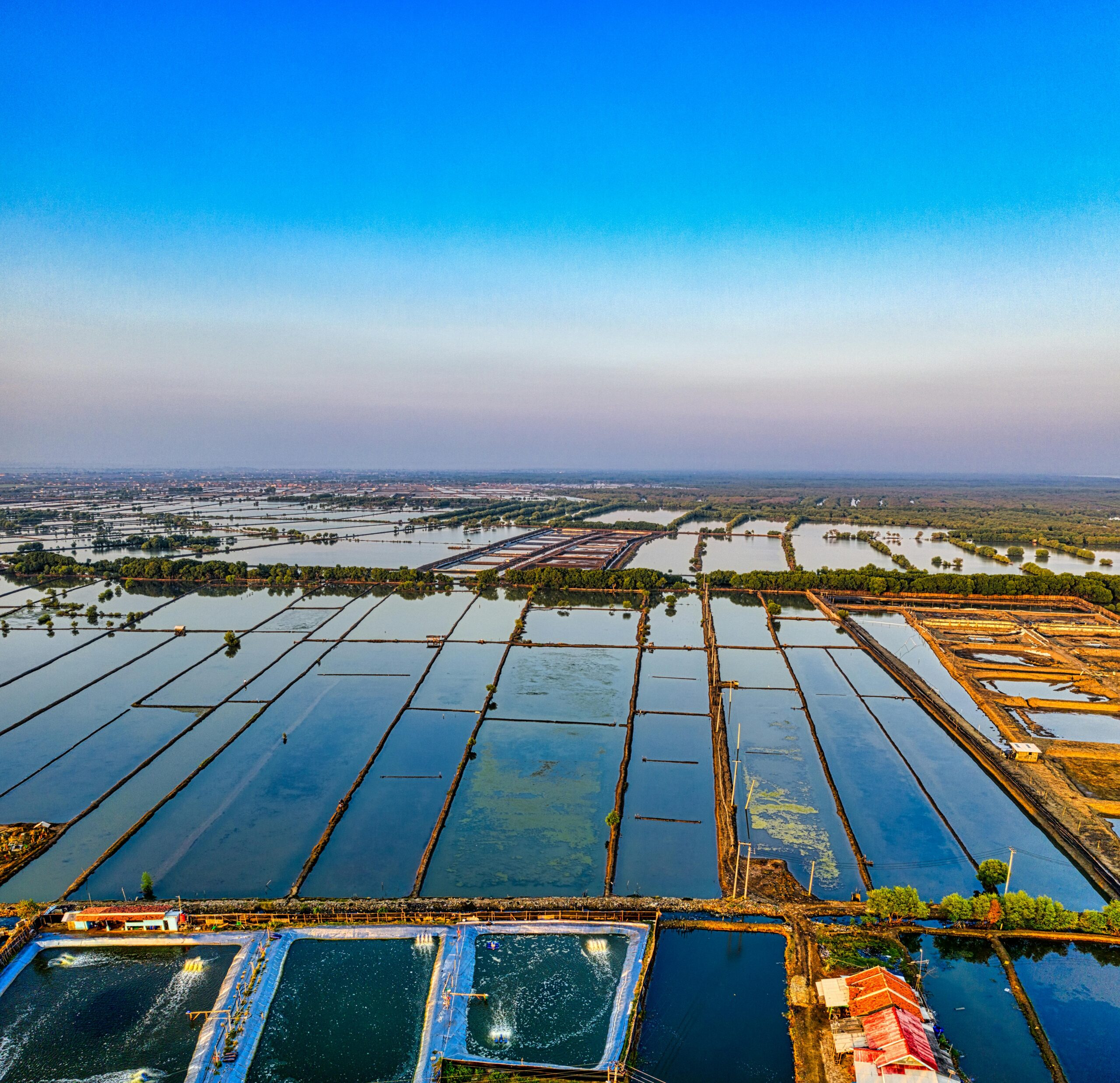
The cultivation systems designed for algae production have evolved dramatically over the past decade. From open pond systems to sophisticated photobioreactors, each approach presents unique opportunities and challenges. The key to maximizing productivity lies not simply in infrastructure but in the precise manipulation of growth cycle parameters that govern cellular reproduction and biomass accumulation.
Modern algae cultivation enterprises report productivity increases of 40-60% when implementing cycle optimization strategies. These improvements translate directly into economic viability, making algae-based products competitive with conventional alternatives. The difference between marginal operations and profitable ventures often hinges on understanding the intricate timing and conditions that drive exponential growth phases.
Understanding the Algae Growth Cycle Fundamentals
Every algae species progresses through distinct growth phases, each characterized by specific cellular activities and environmental requirements. The lag phase begins when algae are introduced to new conditions, during which cells adapt and prepare for division. This critical period demands careful attention to prevent extended adaptation times that delay productive growth.
The exponential phase represents the cultivation sweet spot where cell division occurs at maximum rates. During this period, properly optimized systems can achieve doubling times as short as 3-6 hours for certain species. Maintaining exponential growth requires constant monitoring and adjustment of nutrients, light, temperature, and pH levels.
As nutrient depletion occurs or cell density increases, algae enter the stationary phase where growth rates decline. Rather than viewing this as purely negative, sophisticated cultivation systems strategically manage this transition. Some valuable compounds accumulate preferentially during stationary phase, making timed harvesting essential for specific product applications.
📊 Critical Parameters Driving Growth Optimization
Light intensity and photoperiod management form the foundation of cycle optimization. Algae require sufficient photon flux density to drive photosynthesis, yet excessive light causes photoinhibition that damages cellular machinery. Advanced cultivation systems employ dynamic lighting that adjusts intensity throughout the day and growth cycle, mimicking natural conditions while maximizing photosynthetic efficiency.
Temperature regulation directly impacts metabolic rates and determines which species dominate in mixed cultures. Most commercially relevant algae species thrive between 20-30°C, with specific optima varying by strain. Precision temperature control systems maintain stability within 1-2°C ranges, preventing thermal stress that triggers premature stationary phase entry or culture crashes.
Nutrient delivery strategies have evolved beyond simple batch feeding to sophisticated continuous and semi-continuous approaches. Nitrogen and phosphorus availability particularly influence growth rates and biochemical composition. Real-time monitoring systems now enable dynamic nutrient dosing that maintains optimal concentrations throughout cultivation cycles.
🔬 Advanced Monitoring Technologies Transforming Cultivation
The integration of sensor technologies and data analytics has revolutionized algae cycle management. Optical density sensors provide continuous biomass measurements without manual sampling, enabling precise harvest timing and preventing over-densification that reduces growth rates. These automated systems respond faster than human operators, maintaining optimal conditions continuously.
Fluorescence-based sensors measure photosynthetic efficiency in real-time, identifying stress conditions before visible culture deterioration occurs. This early warning capability allows proactive interventions that prevent minor issues from cascading into complete crop failures. The economic value of preventing even a single culture crash justifies significant monitoring investment.
Automated pH control systems maintain optimal ranges for nutrient availability and cellular function. Algae photosynthesis naturally elevates pH through carbon dioxide consumption, while respiration and organic acid production lower it. Sophisticated systems inject carbon dioxide for pH control while simultaneously supplying this essential nutrient, creating dual optimization benefits.
Strategic Harvesting Timing for Maximum Yield
Determining optimal harvest timing requires balancing biomass quantity against quality parameters. Early harvesting during exponential growth captures cells at peak vitality but sacrifices total yield. Delayed harvesting maximizes biomass accumulation but may reduce valuable compound concentrations as cells age.
Semi-continuous harvesting strategies remove a portion of culture regularly while maintaining sufficient cell density for continued exponential growth. This approach sustains high productivity over extended periods, avoiding the lag phase that follows complete harvest. Many commercial operations harvest 20-30% of culture volume daily, achieving consistent output and simplified processing schedules.
Species-specific considerations dramatically influence harvest strategies. Algae cultivated for lipid production often benefit from nutrient stress periods before harvest, triggering lipid accumulation as a stress response. Conversely, protein-rich biomass production requires harvest during active growth when protein synthesis rates peak.
💡 Innovative System Designs Enhancing Cycle Performance
Photobioreactor configurations continue evolving to address light penetration limitations inherent to dense algae cultures. Tubular systems maximize surface area for light exposure while maintaining culture homogeneity through continuous circulation. Flat-panel designs optimize light path length, ensuring even the deepest layers receive adequate photons for productive photosynthesis.
Hybrid cultivation systems combine open pond primary growth with photobioreactor finishing stages. This approach leverages the cost advantages of pond systems for bulk biomass production while utilizing reactors for final optimization of specific compounds or enhanced biomass concentration before harvest.
Vertical cultivation systems address land scarcity challenges by stacking multiple growth layers. Though capital intensive, these systems achieve remarkable volumetric productivities in urban environments or locations where horizontal expansion proves impossible. Advanced designs incorporate automated media circulation and integrated harvesting mechanisms.
Carbon Dioxide Management as Growth Accelerator
Carbon availability often limits algae growth in standard cultivation systems. Atmospheric carbon dioxide concentrations prove insufficient for maximizing photosynthetic rates in dense cultures. Strategic CO2 supplementation, particularly from industrial waste streams, transforms limiting factors into growth accelerators while providing environmental co-benefits.
Optimized injection systems deliver carbon dioxide at rates matching cellular uptake, preventing wasteful losses to atmosphere while maintaining dissolved inorganic carbon at growth-promoting concentrations. The efficiency of carbon utilization directly impacts both operational costs and the carbon footprint of cultivation operations.
Some advanced facilities integrate directly with power plants or fermentation operations, capturing waste CO2 streams that would otherwise contribute to atmospheric greenhouse gas loads. This symbiotic relationship improves economics for both parties while advancing sustainability credentials increasingly valued by consumers and regulators.
🌡️ Environmental Control Systems Driving Consistency
Temperature fluctuations represent one of the most significant challenges for outdoor cultivation systems. Seasonal variations and diurnal cycles dramatically impact growth rates and species stability. Sophisticated operations employ heating and cooling systems that buffer environmental extremes, maintaining year-round productivity despite external conditions.
Evaporative cooling provides cost-effective temperature management in hot climates, though it increases water consumption. Alternatively, shade structures and reflective coatings reduce solar heat gain without completely blocking beneficial light. The optimal approach depends on local climate characteristics and the thermal tolerances of cultivated species.
Water quality management extends beyond simple nutrient supplementation to encompass contaminant control and salinity management. Many algae species tolerate brackish or saline water, enabling cultivation on non-arable land unsuitable for conventional agriculture. This capability positions algae farming as a complementary rather than competitive land use.
Biological Contamination Prevention and Management
Maintaining monocultures of desired algae species against constant invasion pressure from competing organisms demands vigilant biosecurity. Bacteria, fungi, protozoa, and contaminating algae species all threaten cultivation systems. Prevention through proper system design and operation proves far more effective than remediation after contamination establishes.
Closed photobioreactor systems inherently provide superior contamination resistance compared to open ponds, though they require higher capital investment. For open systems, maintaining optimal conditions for target species creates competitive advantages that suppress invaders. Strategic pH manipulation, salinity adjustment, and selective nutrient delivery all contribute to biological stability.
Regular microscopic monitoring enables early contamination detection before populations reach problematic levels. Automated image analysis systems now provide continuous surveillance, alerting operators to morphological changes indicating foreign organism presence. Rapid response protocols, including targeted treatments or culture replacement, minimize productivity losses.
📈 Data-Driven Optimization Through Machine Learning
The complexity of interactions between environmental parameters, algae physiology, and cultivation outcomes exceeds human analytical capabilities. Machine learning algorithms excel at identifying patterns within multivariate datasets, revealing optimization opportunities invisible to traditional analysis methods.
Predictive models trained on historical cultivation data forecast growth trajectories and recommend parameter adjustments days in advance. This forward-looking capability enables proactive management rather than reactive problem-solving. Operations implementing AI-driven optimization report productivity improvements of 15-25% compared to manual management approaches.
Digital twin technologies create virtual replicas of physical cultivation systems, enabling risk-free experimentation with novel strategies. Operators test parameter combinations in silico before implementing changes in actual production systems, accelerating optimization while minimizing disruption risks. This approach proves particularly valuable when cultivating unfamiliar species or exploring new markets.
Economic Considerations and Return on Investment
The financial viability of algae cultivation depends heavily on achieving consistent, high-volume production. Cycle optimization directly impacts profitability through multiple mechanisms: increased biomass yield per unit input, reduced crop failure rates, and enhanced product quality commanding premium pricing.
Capital expenditure for advanced monitoring and control systems typically represents 15-30% of total facility costs. However, these investments generate returns through operational efficiency gains and risk reduction. Facilities implementing comprehensive optimization strategies achieve break-even points 12-18 months earlier than those relying on basic cultivation approaches.
Market selection significantly influences economic outcomes. High-value applications like nutritional supplements, cosmetics ingredients, and specialty chemicals tolerate higher production costs than commodity products such as animal feed or biofuels. Successful operations carefully match their optimization investments to target market requirements and pricing dynamics.
🔄 Sustainability Benefits Beyond Production Metrics
Optimized algae cultivation systems provide environmental services extending beyond product output. Efficient nutrient utilization reduces eutrophication risks associated with agricultural runoff. Some operations integrate with wastewater treatment facilities, using algae to remove excess nitrogen and phosphorus while generating valuable biomass.
The carbon capture potential of optimized algae cultivation deserves particular attention. Rapidly growing cultures fix atmospheric CO2 into organic compounds at rates far exceeding terrestrial plants. When integrated with industrial emission sources, algae systems can sequester significant carbon quantities while generating economically valuable products.
Water use efficiency in optimized closed systems dramatically outperforms traditional agriculture. Recirculating cultivation designs minimize consumption, with losses limited primarily to evaporation and moisture in harvested biomass. This efficiency enables productive cultivation in water-scarce regions where conventional farming proves unsustainable.
🚀 Emerging Innovations Shaping Future Cultivation
Genetic engineering and selective breeding programs are developing algae strains with enhanced growth characteristics and product profiles. Modified organisms exhibiting faster doubling times, improved stress tolerance, and elevated concentrations of target compounds promise to further elevate cultivation system performance.
Synthetic biology approaches enable the introduction of entirely novel metabolic pathways, transforming algae into microscopic factories producing high-value compounds naturally absent from wild strains. These innovations expand the economic potential of cultivation operations, supporting investment in advanced optimization infrastructure.
Integration with renewable energy systems creates synergies that improve overall sustainability profiles. Solar panels provide power for cultivation system operation while shading reduces thermal management requirements. Wind energy enables consistent environmental control despite variable natural conditions. These integrations position algae cultivation as a key component of circular bioeconomy visions.
🎯 Implementing Optimization in Existing Operations
Facilities transitioning from basic to optimized cultivation approaches benefit from phased implementation strategies. Initial investments in fundamental monitoring systems provide immediate visibility into growth dynamics, enabling manual optimization before automating control systems. This staged approach manages capital requirements while building operational expertise.
Staff training represents a critical success factor often underestimated in optimization initiatives. Operating sophisticated cultivation systems requires understanding both algae biology and control technologies. Comprehensive training programs ensure operators can effectively utilize monitoring data and respond appropriately to system recommendations.
Establishing baseline performance metrics before implementing optimization measures enables accurate assessment of improvement magnitudes. Documentation of productivity gains, quality enhancements, and cost reductions builds institutional knowledge while justifying additional optimization investments to stakeholders.
🌍 Global Perspectives on Algae Cultivation Advancement
Regional differences in climate, resources, and market access drive diverse optimization priorities globally. Tropical regions leverage year-round growing seasons and high light intensity, focusing optimization on temperature management and contamination control. Temperate climates emphasize season extension and productivity maintenance during suboptimal periods.
Developing nations increasingly recognize algae cultivation as an opportunity for sustainable economic development. Lower labor costs partially offset the capital intensity of optimized systems, while local environmental challenges like water scarcity create competitive advantages for efficient algae operations over water-intensive conventional agriculture.
International knowledge sharing through research collaborations and industry consortia accelerates optimization progress globally. Best practices developed in one region transfer to others with appropriate adaptation for local conditions. This collaborative approach benefits the entire sector, expanding markets and validating algae cultivation as a viable industry.
Realizing the Full Potential Through Continuous Improvement
The journey toward fully optimized algae cultivation systems continues evolving as new technologies emerge and understanding deepens. Operations embracing continuous improvement philosophies consistently outperform those treating optimization as a one-time project. Regular system audits, parameter testing, and adoption of emerging best practices maintain competitive advantages.
The convergence of biological insight, engineering innovation, and data analytics creates unprecedented opportunities for cultivation system enhancement. As optimization tools become more accessible and affordable, even small-scale operations can implement strategies previously reserved for large commercial facilities.
The power of algae cycle optimization extends far beyond simple productivity increases. It represents the key to transforming algae cultivation from a promising concept into a cornerstone of sustainable production systems meeting humanity’s growing needs for food, energy, and materials while respecting planetary boundaries. Those who master optimization principles position themselves at the forefront of this biological revolution.