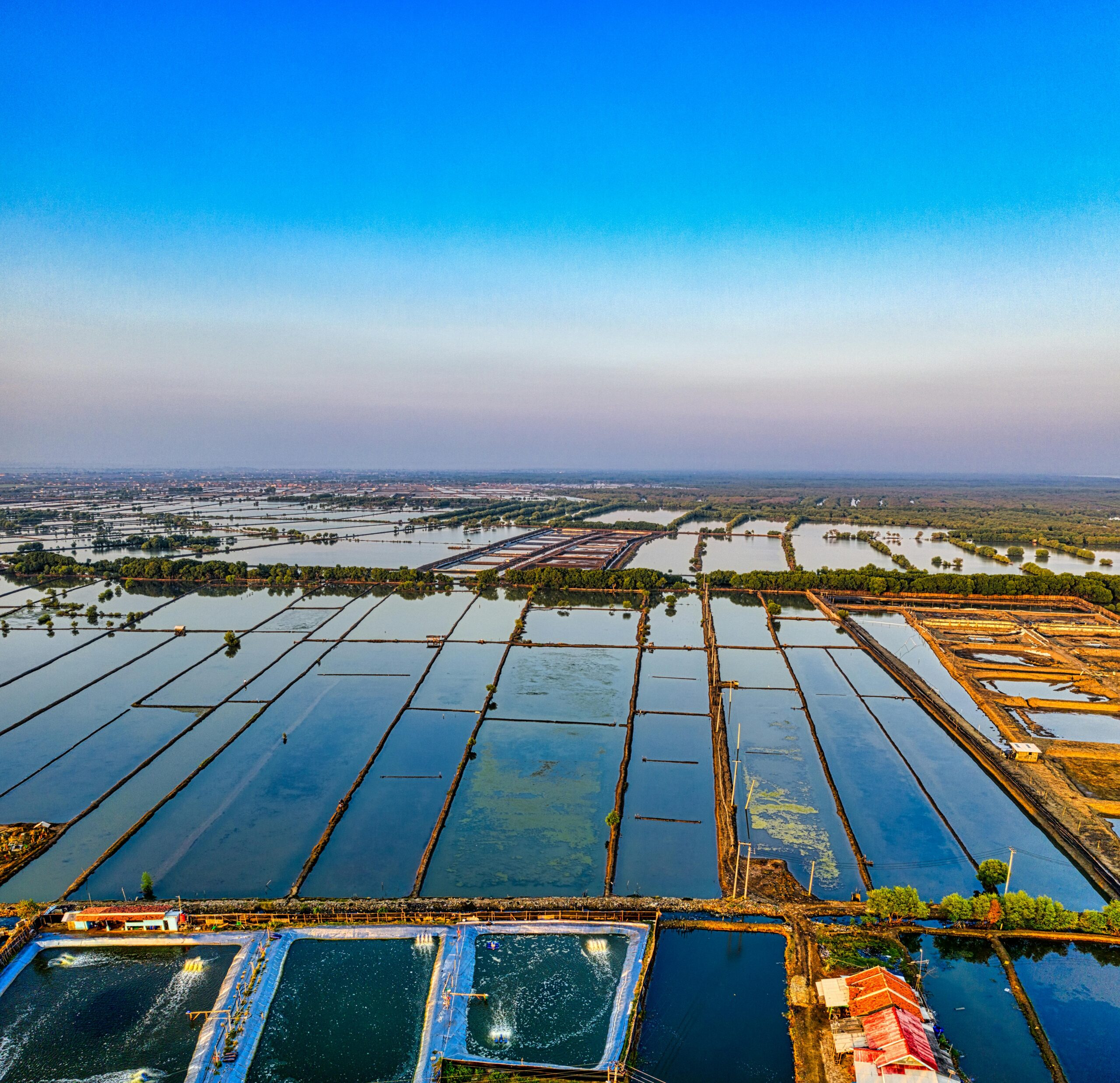
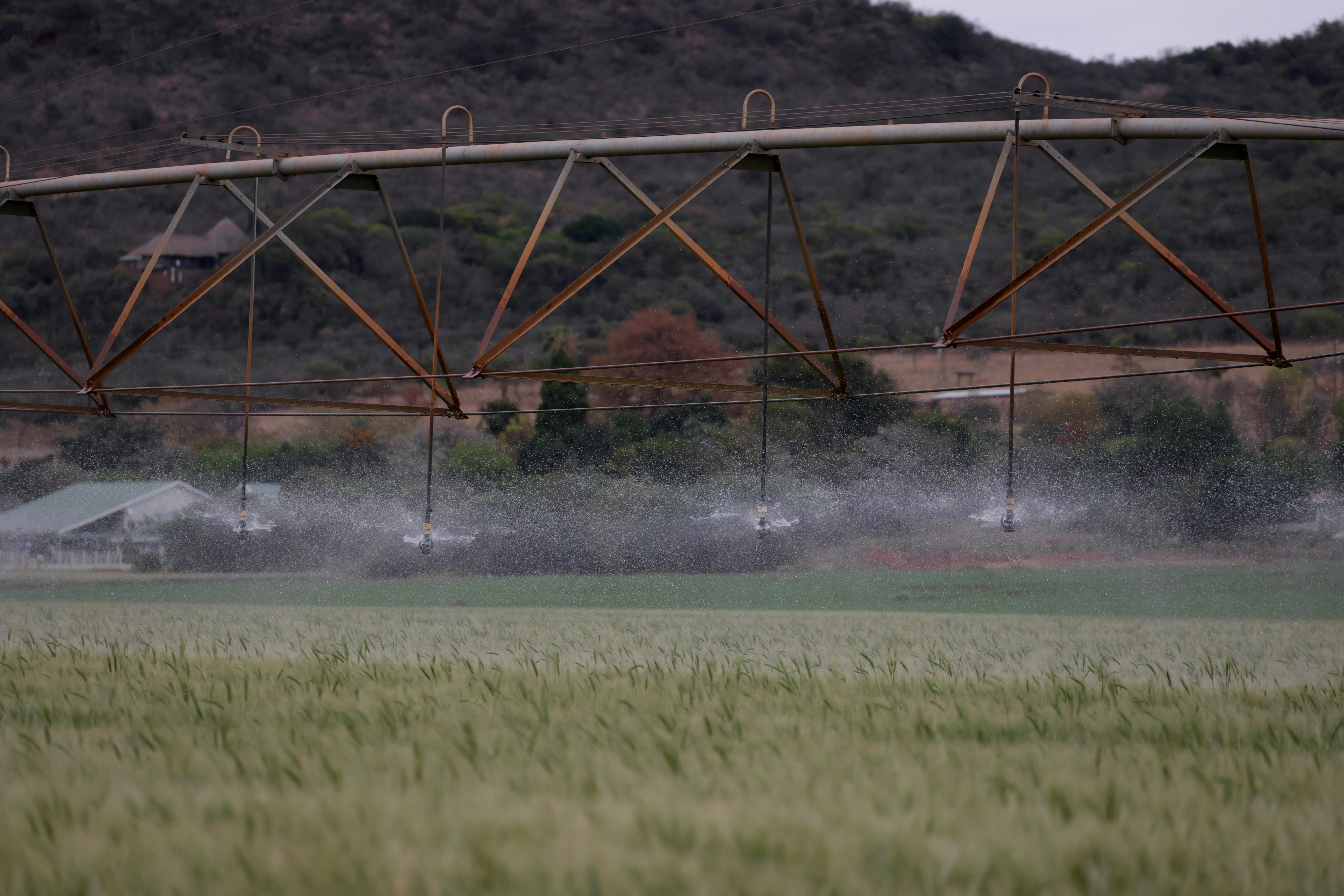
Digital twin technology is transforming algae cultivation by creating virtual replicas of biological systems, enabling unprecedented control over growth conditions and sustainability outcomes.

🌊 The Dawn of Intelligent Algae Cultivation
The convergence of biotechnology and digital innovation has ushered in a new era for algae production. As global demands for sustainable food sources, biofuels, and carbon capture solutions intensify, traditional algae farming methods are reaching their limits. Digital twins—sophisticated virtual models that mirror physical systems in real-time—are emerging as game-changing tools that promise to revolutionize how we cultivate these microscopic powerhouses.
Algae have long been recognized as nature’s most efficient biological factories. They convert sunlight and carbon dioxide into biomass with remarkable efficiency, growing up to ten times faster than terrestrial plants. Yet despite this natural advantage, commercial algae production has struggled with consistency, scalability, and economic viability. The integration of digital twin technology addresses these challenges by providing unprecedented visibility into every aspect of the cultivation process.
Understanding Digital Twins in Biological Systems
A digital twin is more than just a computer simulation. It’s a dynamic, living representation of a physical system that continuously updates based on real-world data. In the context of algae cultivation, digital twins create virtual ecosystems that replicate photobioreactors, open pond systems, or hybrid cultivation facilities with extraordinary precision.
These virtual replicas integrate data from multiple sources: temperature sensors, pH monitors, light intensity meters, nutrient analyzers, and biomass density measurements. Advanced algorithms process this information to predict growth patterns, identify potential problems before they occur, and recommend optimal interventions. The result is a cultivation system that learns, adapts, and improves continuously.
The Technology Stack Behind Algae Digital Twins
Building effective digital twins for algae cultivation requires sophisticated technological infrastructure. Internet of Things (IoT) sensors continuously monitor environmental parameters within cultivation systems. These devices transmit data to cloud platforms where machine learning algorithms process information in real-time.
Artificial intelligence models trained on historical cultivation data can predict how specific algae strains will respond to environmental changes. Computational fluid dynamics simulations model water circulation patterns, ensuring uniform nutrient distribution. Optical sensors and computer vision systems track cell morphology and population dynamics at microscopic levels.
The integration of these technologies creates comprehensive digital representations that capture the complexity of living biological systems with remarkable accuracy.
🔬 Optimizing Growth Conditions Through Virtual Experimentation
One of the most powerful applications of digital twins in algae cultivation is the ability to conduct virtual experiments without risking actual biomass. Researchers can test thousands of parameter combinations in silico—adjusting light cycles, nutrient concentrations, temperature ranges, and mixing intensities—to identify optimal conditions before implementing changes in physical systems.
This approach dramatically reduces the time and cost associated with traditional trial-and-error methods. Where conventional optimization might require months of physical experiments, digital twins can explore the same parameter space in days or even hours. The economic implications are substantial, particularly for commercial operations where production downtime directly impacts profitability.
Predictive Maintenance and System Health
Digital twins excel at predictive analytics, identifying subtle patterns that indicate potential equipment failures or biological stress before they become critical problems. By analyzing historical data alongside real-time inputs, these systems can forecast when pumps might fail, when cleaning cycles should be scheduled, or when contamination risks are elevated.
This predictive capability transforms maintenance from reactive to proactive, minimizing unplanned downtime and extending equipment lifespan. For large-scale algae facilities where even brief interruptions can compromise entire batches, this reliability improvement represents significant value.
Closing the Loop: Sustainable Circular Systems
Perhaps the most transformative aspect of digital twin technology in algae cultivation is its role in creating truly circular, sustainable production systems. Algae naturally excel at waste remediation—they consume carbon dioxide, nitrogen, and phosphorus that would otherwise be pollutants. Digital twins optimize these bioremediation capabilities by precisely matching algae cultivation with waste stream characteristics.
Industrial facilities can integrate algae production systems with their wastewater treatment processes, using digital twins to ensure optimal nutrient uptake rates. Power plants can direct flue gases containing CO2 to algae cultivation systems, with virtual models calculating ideal flow rates and gas compositions. The result is industrial symbiosis where waste becomes resource.
Carbon Capture and Climate Solutions
The climate crisis demands scalable carbon capture solutions, and algae represent one of nature’s most effective carbon sequestration mechanisms. A single kilogram of algae biomass can capture approximately 1.8 kilograms of CO2 during growth. Digital twins maximize this carbon capture potential by maintaining optimal growth conditions continuously.
These systems can also integrate with carbon credit frameworks, providing precise documentation of carbon sequestration rates. Blockchain integration—often incorporated into advanced digital twin platforms—creates immutable records of environmental impact, facilitating participation in carbon markets and sustainability reporting.
⚙️ Real-World Applications Across Industries
The versatility of algae makes digital twin cultivation technology relevant across numerous sectors. In aquaculture, algae serve as primary feed for many commercially important species. Digital twins ensure consistent quality and nutritional profiles, supporting healthier aquatic livestock and more predictable production outcomes.
The nutraceutical industry relies on algae for omega-3 fatty acids, antioxidants, and specialty compounds. Digital twins enable precise control over metabolic pathways, enhancing production of specific valuable compounds. This targeted biosynthesis creates premium products with verified potency and purity.
Biofuel Production at Scale
Algae-based biofuels have long promised renewable energy alternatives, but production costs have hindered commercial viability. Digital twins address this challenge by maximizing lipid accumulation—the fatty compounds that convert into biodiesel. Virtual optimization identifies stress conditions that trigger lipid production without excessively compromising growth rates.
Advanced digital twin systems can also coordinate multiple cultivation stages, optimizing growth phases separately from lipid accumulation phases. This staged approach, guided by predictive modeling, significantly improves overall productivity and economic feasibility.
Data-Driven Strain Selection and Genetic Optimization
Digital twins accelerate the process of identifying superior algae strains for specific applications. By rapidly testing how different genetic variants perform under various conditions in virtual environments, researchers can narrow candidate selections before committing resources to physical trials.
This approach is particularly valuable for genetic engineering projects. As scientists develop algae strains with enhanced traits—faster growth, higher lipid content, improved stress tolerance—digital twins provide safe testing environments to evaluate these modifications under diverse scenarios.
Building Comprehensive Strain Libraries
Organizations are developing extensive digital libraries that catalog how specific algae strains respond to environmental variables. These repositories become increasingly valuable over time, enabling precise strain-to-application matching. A facility in a hot, arid climate can quickly identify strains that thrive under high temperatures and intense sunlight, while operations in cooler regions can select cold-adapted varieties.
This knowledge accumulation represents a form of institutional learning that transcends individual facilities or research groups, accelerating progress across the entire algae industry.
🌍 Addressing Global Food Security Challenges
As global population approaches 10 billion, conventional agriculture faces mounting pressure. Algae cultivation, enhanced by digital twin technology, offers solutions that don’t compete for arable land or freshwater resources. Many algae species thrive in saltwater or brackish conditions, utilizing resources unsuitable for traditional crops.
Digital twins optimize algae production for human consumption, whether as protein supplements, whole food ingredients, or sources of specific nutrients. The technology ensures food safety by monitoring for contaminants and maintaining optimal conditions that prevent pathogen growth.
Distributed Production Networks
Digital twin platforms enable coordination across geographically distributed cultivation facilities. A central system can monitor dozens or hundreds of sites simultaneously, sharing learnings and best practices across the network. When one facility discovers optimal conditions for a particular outcome, that knowledge immediately benefits all connected operations.
This distributed architecture also supports local food production, reducing transportation impacts and improving supply chain resilience. Communities can establish algae cultivation facilities tailored to local conditions, guided by digital twins that incorporate region-specific environmental data.
Economic Viability and Investment Considerations
The economics of digital twin implementation require careful consideration. Initial setup costs include sensors, computing infrastructure, and software development. However, these investments typically generate positive returns through increased productivity, reduced waste, and improved product quality.
Commercial operators report productivity improvements ranging from 15% to 40% after implementing digital twin systems. These gains result from better resource utilization, fewer cultivation failures, and optimized harvesting schedules. The technology also enables premium pricing for products with verified sustainability credentials and consistent quality.
Scaling Considerations and Implementation Pathways
Organizations approaching digital twin adoption should consider phased implementation strategies. Starting with pilot systems in controlled photobioreactors allows teams to develop expertise before expanding to larger or more complex operations. Cloud-based platforms reduce infrastructure requirements, making the technology accessible to smaller operators.
Open-source digital twin frameworks are emerging, lowering barriers to entry and fostering collaborative development. These community-driven platforms accelerate innovation while distributing development costs across multiple stakeholders.
🔮 Future Horizons: Autonomous Cultivation Systems
The evolution of digital twin technology points toward fully autonomous algae cultivation systems that require minimal human intervention. Advanced artificial intelligence will make real-time decisions about nutrient dosing, harvesting timing, and system adjustments based on continuously updated models.
These autonomous systems will incorporate weather forecasting data, adjusting cultivation strategies in anticipation of environmental changes. Integration with renewable energy systems will enable cultivation schedules that align with solar or wind power availability, further improving sustainability profiles.
Synthetic Biology Integration
As synthetic biology capabilities advance, digital twins will increasingly guide genetic engineering efforts. Virtual testing will evaluate engineered strains before they’re created physically, dramatically accelerating development cycles. This synergy between computational and biological technologies will unlock algae capabilities that currently exist only in theory.
Imagine algae strains custom-designed for specific applications—producing pharmaceutical compounds, specialized materials, or enhanced nutritional profiles—all optimized through digital twin simulations before a single cell is modified.
Regulatory Frameworks and Standardization
As digital twin technology becomes central to algae production, regulatory frameworks must evolve accordingly. Standards for data quality, model validation, and system certification are emerging. These guidelines ensure that digital twin predictions are reliable and that products cultivated using these systems meet safety and quality requirements.
International collaboration on standardization will facilitate trade in algae products and enable technology transfer between regions. Harmonized protocols for digital twin implementation can accelerate adoption while maintaining rigorous oversight.
💡 Empowering the Next Generation of Biotechnologists
Digital twin technology is transforming education and training in algae cultivation. Students can experiment with virtual cultivation systems, learning principles of photosynthesis, nutrient dynamics, and bioprocess engineering without requiring expensive physical infrastructure.
These educational applications democratize access to advanced biotechnology training, enabling institutions in resource-limited settings to provide world-class education. Virtual laboratories powered by digital twin technology prepare students for careers in the emerging bioeconomy.

The Path Forward: Integration and Innovation
The revolution in algae cultivation through digital twin technology is accelerating. As computational power increases and sensor technologies improve, these virtual systems will become increasingly sophisticated and accessible. The convergence of artificial intelligence, biotechnology, and environmental science creates unprecedented opportunities to harness algae for addressing humanity’s most pressing challenges.
Success requires collaboration across disciplines and sectors. Researchers, engineers, commercial operators, policymakers, and investors must work together to realize the full potential of digitally-optimized algae cultivation. The technology foundation exists; the challenge now is scaling implementation and sharing knowledge broadly.
Organizations entering this space should focus on building robust data collection infrastructure, investing in talent development, and participating in emerging industry standards. The competitive advantages of digital twin technology are substantial, but the greatest benefits emerge when knowledge and best practices are shared across the community.
Algae cultivation enhanced by digital twins represents more than technological advancement—it embodies a fundamental shift toward intelligent, sustainable biological production. As these systems mature, they will contribute significantly to climate change mitigation, resource circularity, food security, and economic development. The microscopic organisms that have sustained Earth’s biosphere for billions of years are now being enlisted—with unprecedented precision and scale—to secure humanity’s sustainable future.